The Warrior Health and Fitness Program at Arizona State University (ASU) provides a supportive environment for veterans seeking to improve their physical and mental well-being. The initiative, offered at the Sun Devil Fitness Complex on ASU’s Downtown Phoenix campus, combines personalized exercise, nutrition guidance, and stress management, enabling participants to reconnect with others who share similar military experiences.
Program Overview
The program, which is free and lasts for 90 days, caters to military service members, veterans, and their families, regardless of their affiliation with ASU. It is a collaboration between ASU’s College of Health Solutions and the Boston-based nonprofit Home Base, funded by the Red Sox Foundation. Participants benefit from a holistic approach to wellness, focusing on physical fitness, nutrition, and community support.
Andrew Greer, an Army veteran, shared his journey through personal struggles with PTSD and how the program has played a pivotal role in his recovery. He noted improvements in his mental state and emphasized the importance of the program in helping him work toward becoming the person he wants to be. “ASU and Home Base has really helped me out with that,” Greer said.
Personalized Support
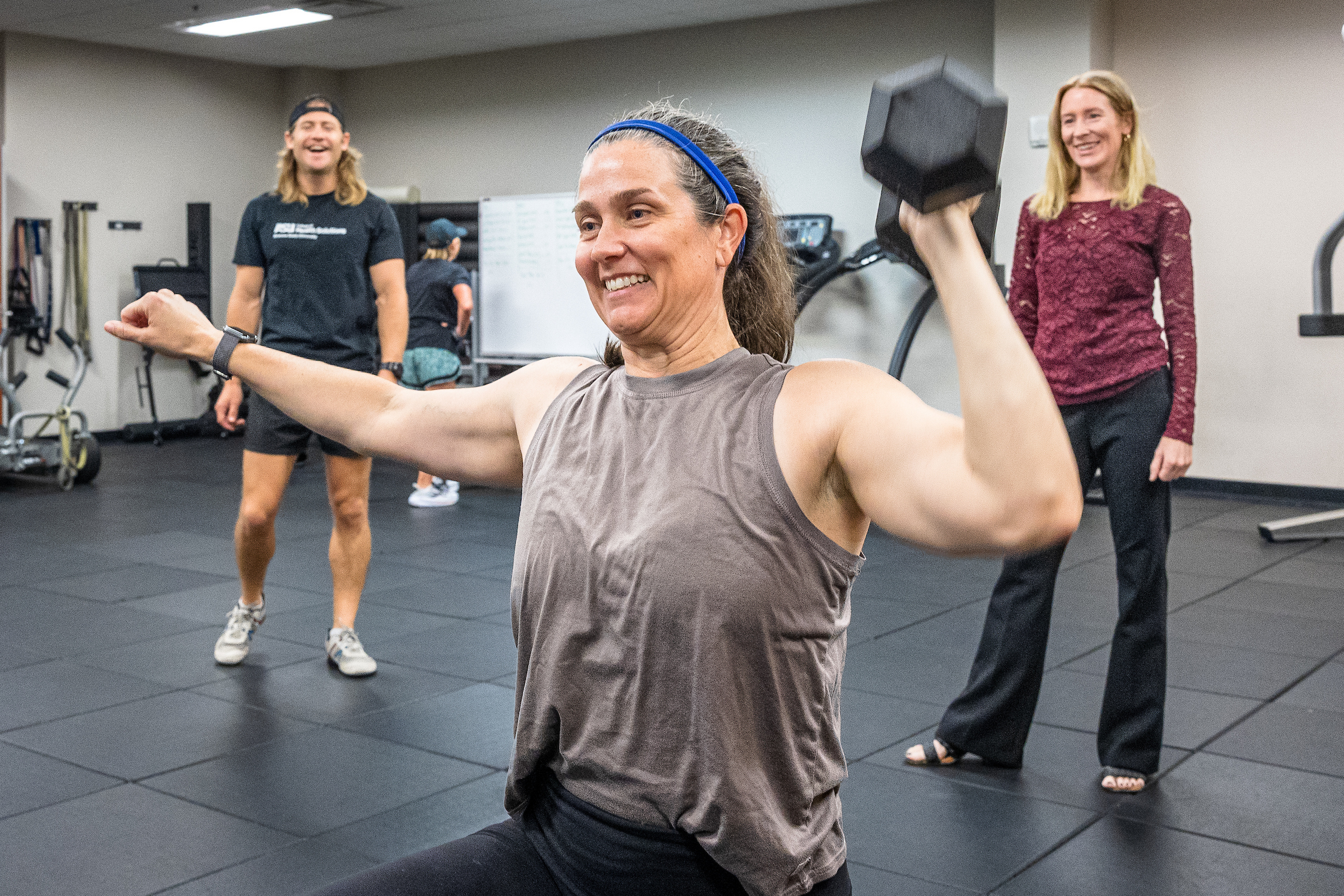
The program’s design includes tailored workouts led by David Hamrick, a strength and conditioning coach and Navy veteran. He assesses participants’ physical conditions and personal goals, creating customized workout plans that accommodate various abilities. Many participants, often around the age of 55, are motivated by personal goals such as staying active for their grandchildren or improving their health.
Nutrition also plays a crucial role in the program. Registered dietitian Chrissy Barth works with participants to assess their dietary habits and make practical adjustments to support their health goals, which can lead to increased energy and better daily choices.
Building Community
The program aims to recreate a sense of camaraderie often felt during military service, addressing the challenges veterans face when transitioning to civilian life. Rachel Cassalia, director of the Military and Veteran Resilience and Health Collaborative at ASU, emphasized the importance of fostering connections among participants, enabling them to find community and support.
Participants like Marcus Denetdale, an Air Force veteran, have experienced significant personal growth through the program. He reported feeling stronger and more balanced, attributing this to the structured workouts and camaraderie fostered within the group.
Positive Outcomes
For Greer, the changes have extended beyond physical fitness. He has lost weight, improved his relationships, and found it easier to manage his mental health challenges. He described a recent milestone of being able to take a nap, highlighting the profound impact of the program on his overall well-being.
As the Warrior Health and Fitness Program continues to evolve, it serves as a vital resource for veterans in Phoenix, helping them regain health, confidence, and a sense of belonging.
Source: Arizona State University