Recent observations indicate a dramatic reduction in the glacial ice at Puncak Jaya, located in Indonesia’s Sudirman Range, a region known for its unique tropical glaciers. Satellite images reveal that the ice cover has decreased significantly from 1988 to 2026, leading scientists to express concern about the future of these glaciers.
Decline of Glacial Ice
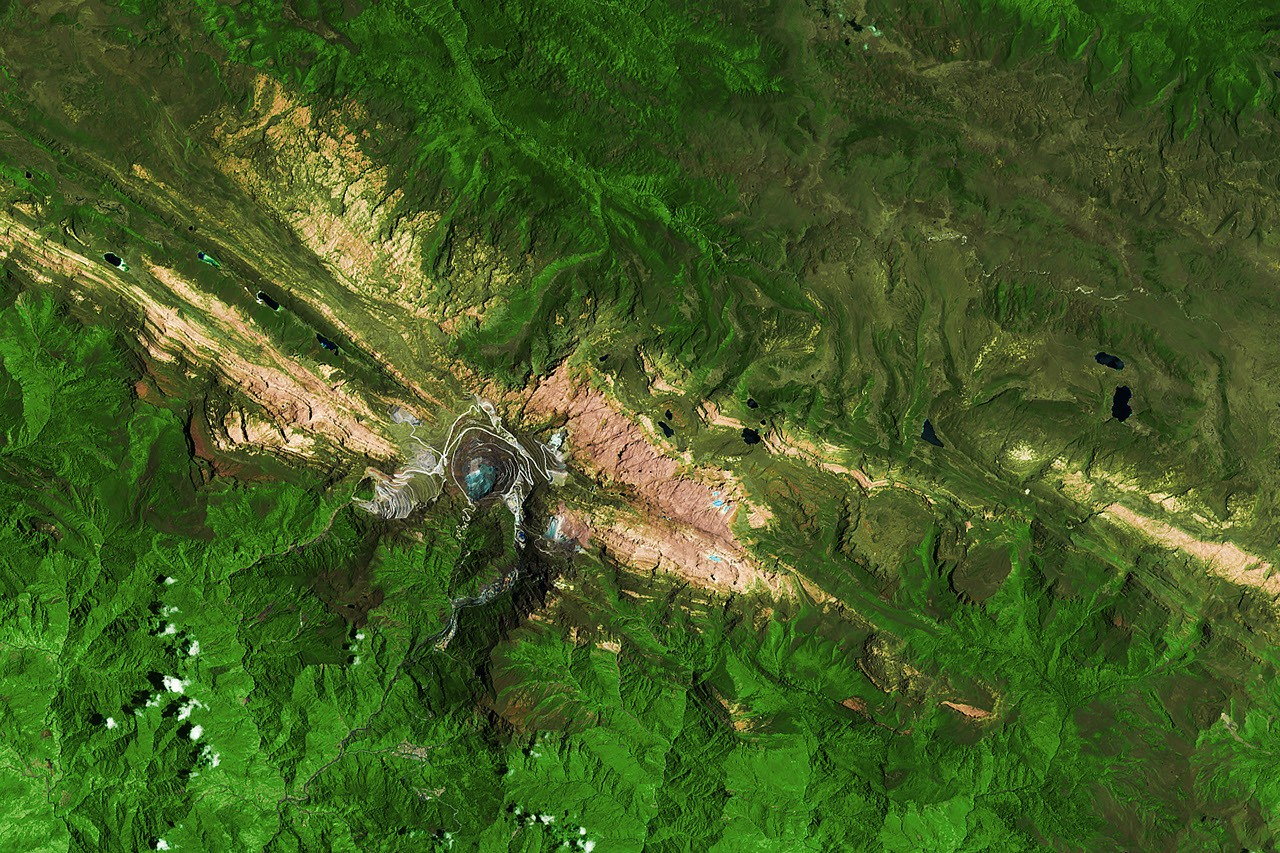
A false-color comparison of satellite images taken in 1988 and 2026 shows the extent of glacial retreat. In 1988, the glaciers covered approximately 4.31 square kilometers (1.66 square miles), while by September 2025, this area had shrunk to about 0.09 square kilometers (0.03 square miles), representing roughly 2 percent of the original extent. An aerial survey is planned for December to further assess the current ice conditions, according to Donaldi Permana, a climate scientist at the Indonesian Agency for Meteorology, Climatology, and Geophysics (BMKG).
Measurements from a primary monitoring site indicate that the thickness of the ice has diminished drastically, from 32 meters (105 feet) in 2010 to just 4 meters (13 feet) in 2023. By November 2024, the ice at this site had disappeared entirely.
Glacial Behavior and Future Projections
The glaciers at Puncak Jaya are characterized by their thinning and fragmentation. Each broken piece exposes more ice edges to melting, exacerbating the loss. Snow continues to fall in the region, but it does not remain long enough to contribute to new ice formation. Chris Shuman, a retired glaciologist, described the situation as a “house of cards problem,” emphasizing the irreversible nature of this process.
Puncak Jaya’s remaining ice patches are no longer capable of flowing, which is a key characteristic of glaciers. Permana noted that while some small ice remnants still exist, their functionality as active glaciers has effectively ended. Forecasts suggest that the primary glacial areas could vanish entirely by around 2030, a timeline that could be accelerated by the ongoing El Niño conditions.
Impact of Climate Patterns
Historical data indicates that past El Niño events have severely impacted these glaciers. Warmer air temperatures during such periods have raised the freezing level, causing precipitation to fall as rain rather than snow, resulting in less snow cover to protect the ice. For instance, during the 2015-2016 El Niño, the ice thinned at an alarming rate of approximately 5.3 meters (17 feet) in a single year. The current El Niño is also contributing to rapid thinning, with a loss of about 2 to 4 meters (7 to 13 feet) annually.
The future of the remaining ice at Puncak Jaya remains uncertain, as climate change continues to pose significant threats to these tropical glaciers.
Source: NASA