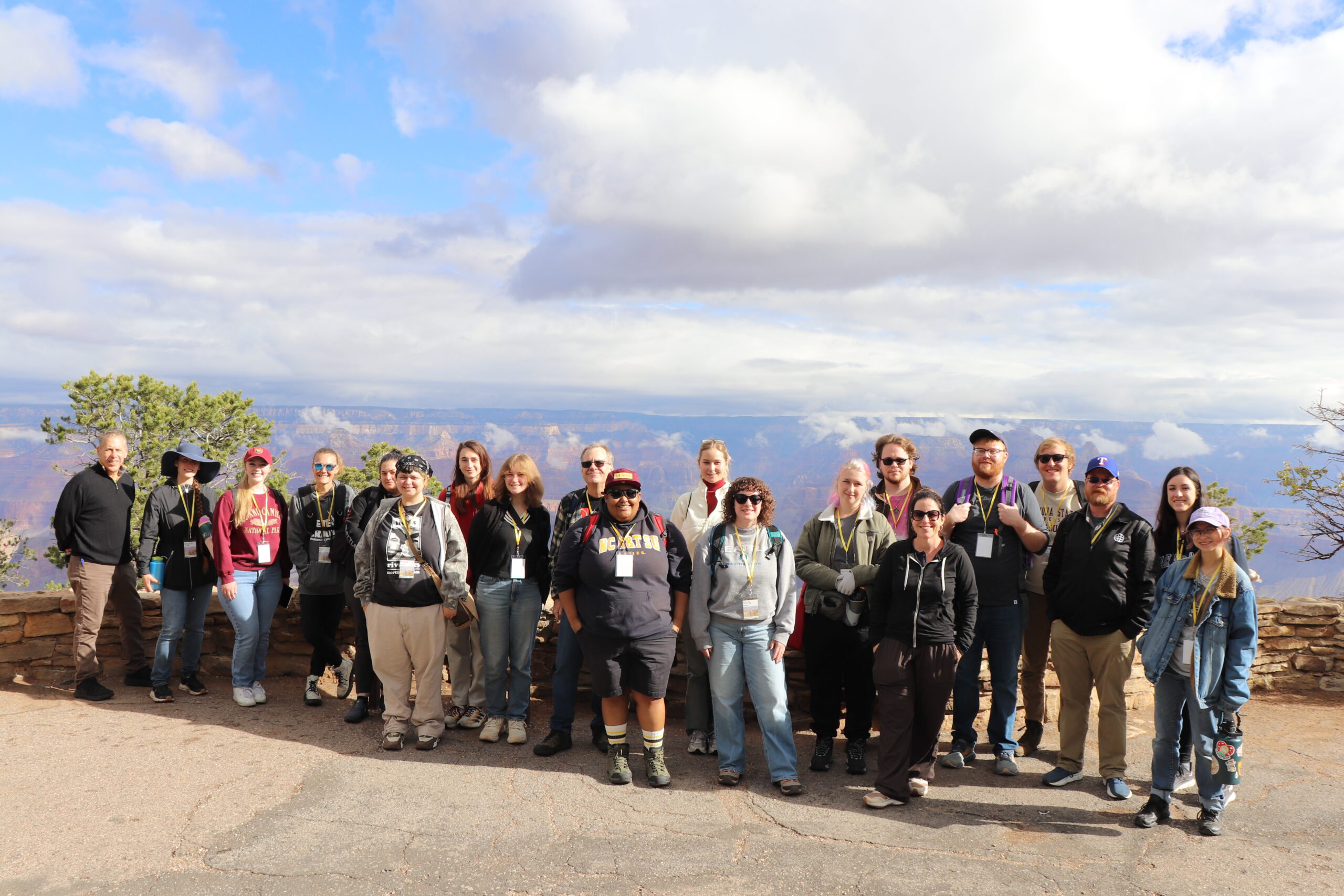
A group of Arizona State University (ASU) students recently participated in a five-day field school experience at Grand Canyon National Park, engaging with public history through the School of Historical, Philosophical and Religious Studies’ program. The trip allowed both online and on-ground students to explore historical narratives and interpretations related to the iconic landmark.
Field School Experience
On the first day, the students descended more than 1,000 feet down the Bright Angel Trail, taking the opportunity to absorb the canyon’s vastness before beginning their ascent back to the South Rim. Eighteen graduate and undergraduate students attended the field school, eager to observe public history in practice at the park. They participated in specialized courses, including HST 485: History in the Wild and HST 580: Public History Lab, instructed by program coordinator Erin Craft and public history director Mark Tebeau.
According to Tebeau, public history has roots in the National Park Service, and the integration of Native communities into this narrative adds a unique dimension.
Research and Exploration
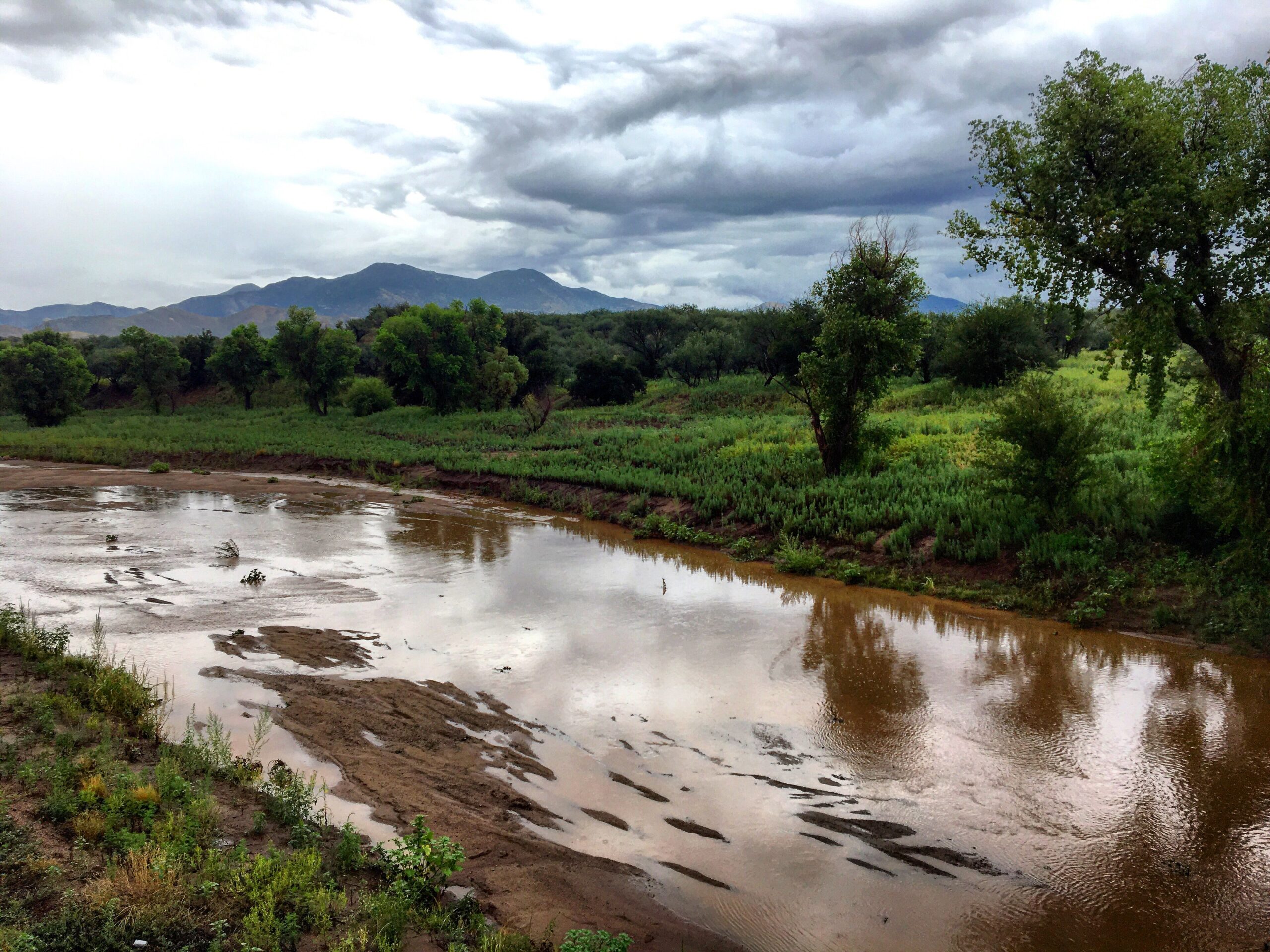
Students focused on two main projects during their time at the park. Undergraduates worked on expanding the Salt River Stories project, while graduate students examined how the park employs history to communicate with visitors through interpretive signage and other methods. The group included students from various disciplines, such as anthropology and museum studies, all keen to learn about the Grand Canyon’s cultural and historical significance.
Initially, the students explored the park as visitors, hiking trails, visiting museums, and engaging with interpretive gift shops run by the Grand Canyon Conservancy. Following this, they adopted the role of historians, critically analyzing their initial experiences and interacting with park officials, including superintendent Ed Keable and other key staff members, to gain insights into the park’s operations.
Cultural Heritage and Education
One significant site visited was Desert View, an Inter-tribal Cultural Heritage Site, where students learned about the park’s collaborative efforts with the Intertribal Working Group to enhance representation of Indigenous communities and educate park visitors. Students also witnessed a partial inversion phenomenon, experiencing the visual spectacle of the canyon enveloped in clouds.
Feedback from participants highlighted the value of hearing directly from park rangers and interpretive staff. Cassidy Seader, an online student in the accelerated history BA/MA program, remarked on the unique perspective gained through the experience, which differed from a typical visit to the Grand Canyon.
Strengthening Academic Community
The field school experience also fostered a sense of community among students, particularly for those in ASU Online programs who often lack opportunities for in-person interaction with fellow historians. This initiative is part of a broader trend at ASU to blend online learning with experiential education, as seen in past programs like the Scotland Archive Experience and the Study USA program focusing on World War II history.
Students expressed appreciation for the opportunity to connect with peers and engage deeply with the historical context of the Grand Canyon. Topaz Dickey, a dual bachelor’s degree student in history and anthropology, described the experience as incredible, highlighting the impact of exploring the canyon with like-minded individuals.
Looking ahead, the School of Historical, Philosophical and Religious Studies aims to expand the field school initiative, enhancing its collaboration with the Grand Canyon and offering more students valuable experiences in public history.
She noted the importance of understanding historical interpretation and its complexities.
Source: Arizona State University