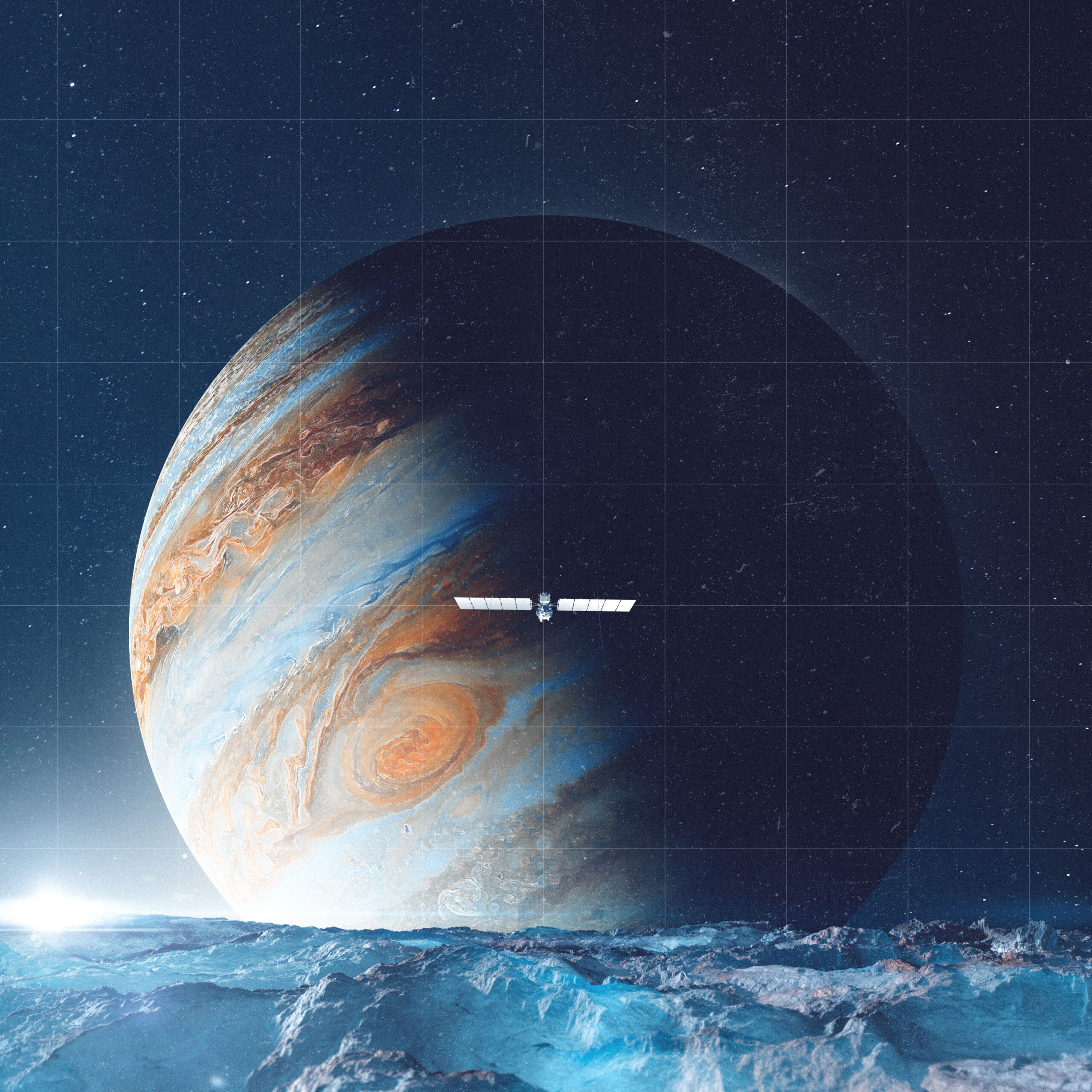
NASA has released a new documentary titled “The Europa Concept,” showcasing the development of the Europa Clipper spacecraft, which is set to embark on a five-year mission to explore Jupiter’s moon Europa.
Documentary Highlights Mission Development
The Europa Clipper, NASA’s largest spacecraft designed for deep space exploration, is currently two years into its journey covering 1.8 billion miles (2.9 billion kilometers) to the Jupiter system. The mission will focus on flybys of Europa to investigate whether the moon’s subsurface ocean can support life. Curt Niebur, a program scientist at NASA, expressed excitement about the potential discoveries.
The documentary follows engineers and scientists as they detail their efforts to design a spacecraft that can withstand extreme radiation levels produced by Jupiter’s magnetic field. This radiation is believed to have influenced the conditions that may allow for habitability on Europa.
Historical Context and Mission Planning
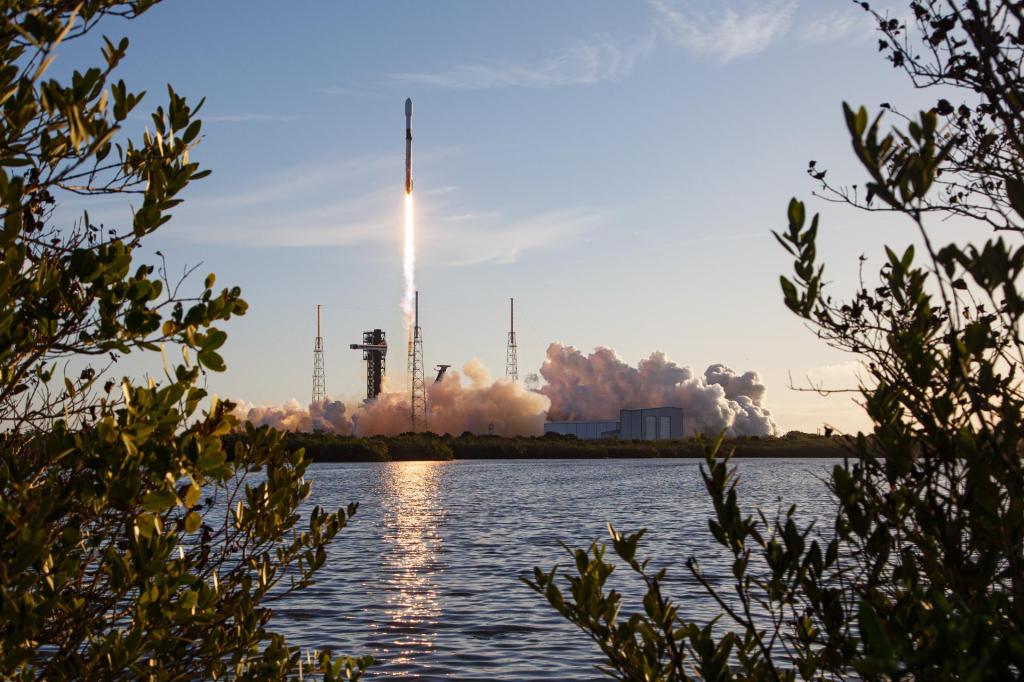
Europa has intrigued scientists since its discovery by Galileo Galilei in 1610, with significant insights gained from various NASA missions over the decades, including Pioneer 10, Voyager 1, and Juno. The mission officially commenced in 2013 at NASA’s Jet Propulsion Laboratory (JPL) in California, with the team facing numerous challenges, including a global pandemic and severe weather events leading up to the scheduled launch on October 14, 2024.
Jordan Evans, director of flight projects at JPL, noted the mission’s potential to deepen understanding of ocean worlds and the search for habitable environments beyond Earth.
Collaboration and Future Exploration
The Europa Clipper mission is managed by Caltech, with JPL leading its development in collaboration with the Johns Hopkins Applied Physics Laboratory and several NASA centers across the country. The film captures the collaborative efforts of the many individuals who contributed to the mission’s progress and future findings, which aim to enhance humanity’s understanding of its place in the universe.
Source: NASA