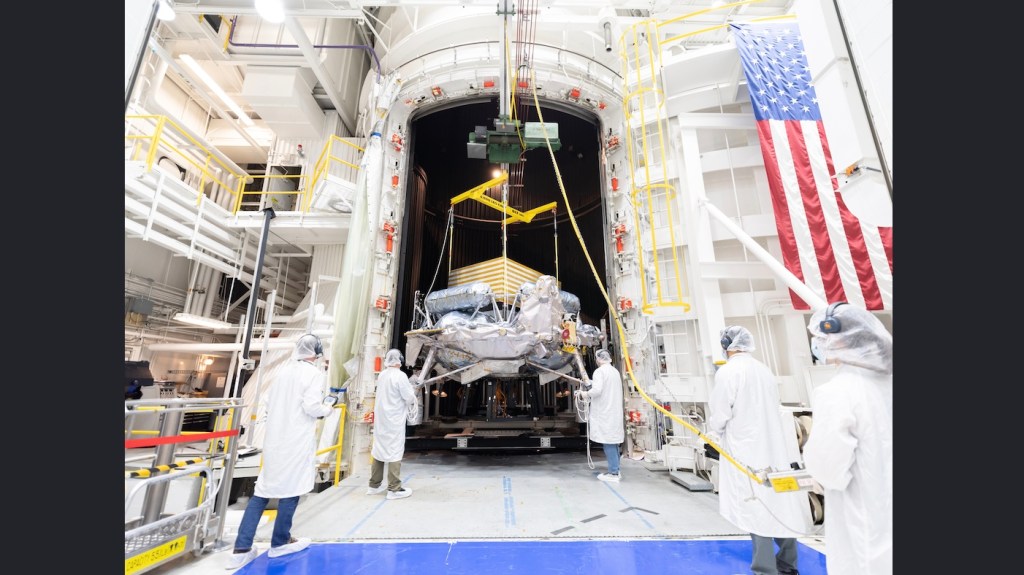
A commercial lunar lander, Voyager Technologies’ Griffin-1, has successfully completed a series of critical tests at NASA’s Jet Propulsion Laboratory (JPL) in Southern California, marking a significant step towards establishing a Moon Base. The spacecraft is set to launch later this year aboard a SpaceX Falcon Heavy rocket to deliver over 1,100 pounds of cargo to the Moon.
Testing Success
The Griffin-1 spacecraft underwent rigorous environmental testing to simulate the extreme conditions it will face in space, including high temperatures, vacuum environments, and intense vibrations similar to those experienced during launch. Results indicate that the spacecraft is prepared for the challenges of lunar exploration.
As part of NASA’s Commercial Lunar Payload Services (CLPS) initiative, Griffin-1 is classified as an infrastructure-class lander and will carry ten science and technology demonstrations from six different countries. Among its payload is Astrolab’s FLIP rover, which is noted as the largest commercial payload ever sent to the Moon.
Historical Testing Grounds
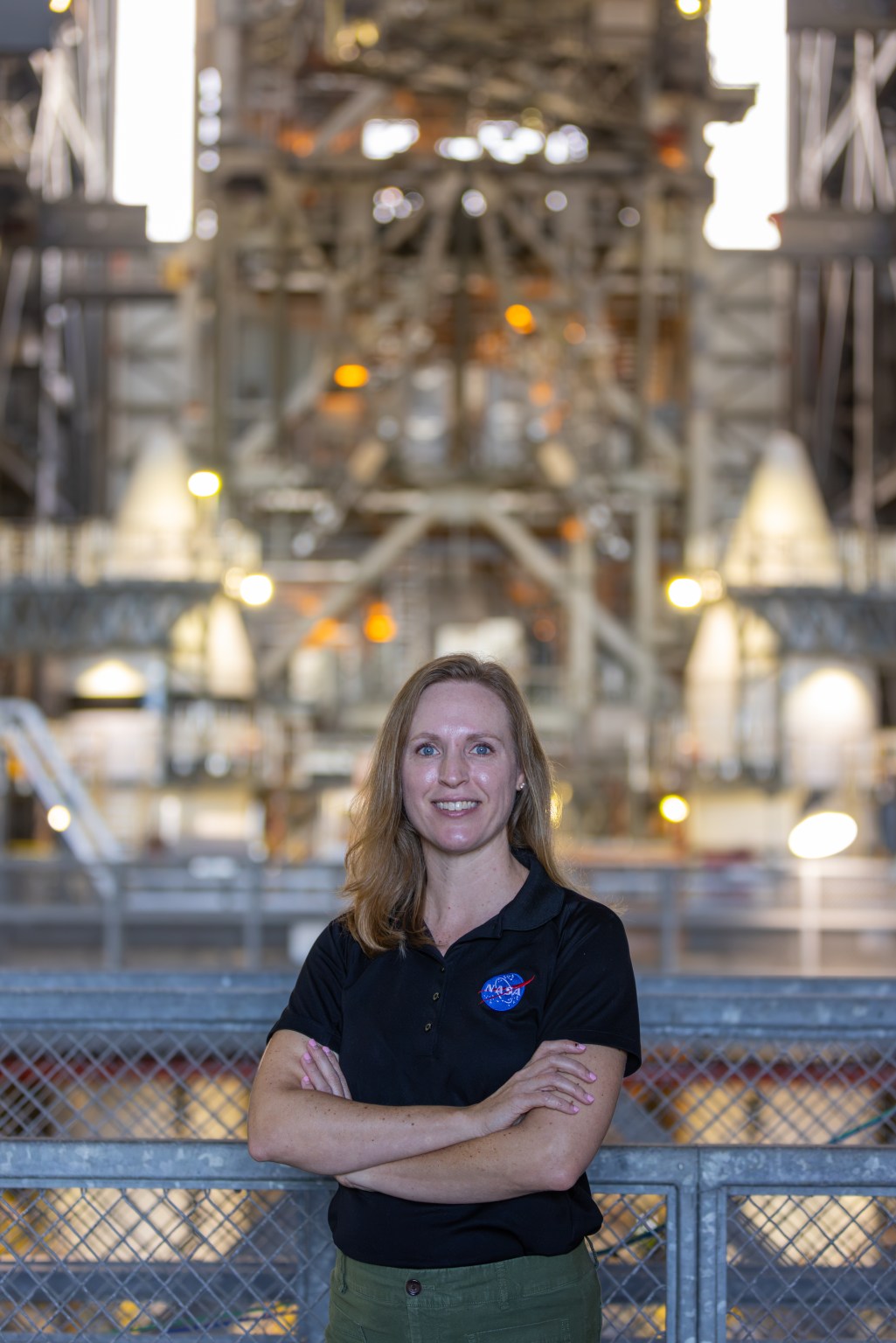
Charles Whetsel, manager of the Exploration Systems Development Office at JPL, emphasized the historical significance of the testing facilities, which have been pivotal in the development of robotic explorers since the 1960s. Griffin-1’s successful testing is a continuation of this legacy, supporting a new phase of commercial lunar exploration.
The testing process began in July after Griffin-1 traveled from its manufacturing site in Pittsburgh to JPL. Engineers performed mass properties testing to assess the lander’s stability and movement in space. In addition, electromagnetic interference and compatibility tests were conducted within a specialized chamber designed to absorb sound and electromagnetic waves.
Simulating Launch Conditions
During vibration testing, the spacecraft was subjected to intense shaking to replicate the conditions of launch. In a separate acoustic chamber, Griffin-1 experienced simulated launch noises of up to 153 decibels. The environmental tests also involved temperature extremes, where the lander was alternately heated and cooled to mimic the conditions it will encounter in space.
John Thornton, executive vice president of Voyager, highlighted the mission’s historic purpose, stating that Griffin-1 represents a new era in commercial lunar exploration and is essential for laying the groundwork for the Moon Base.
Next Steps
Following its successful testing at JPL, Griffin-1 has returned to Voyager Lunar Systems for final assembly and preparations for launch readiness. The spacecraft is scheduled for shipment to Cape Canaveral in the near future.
Source: NASA