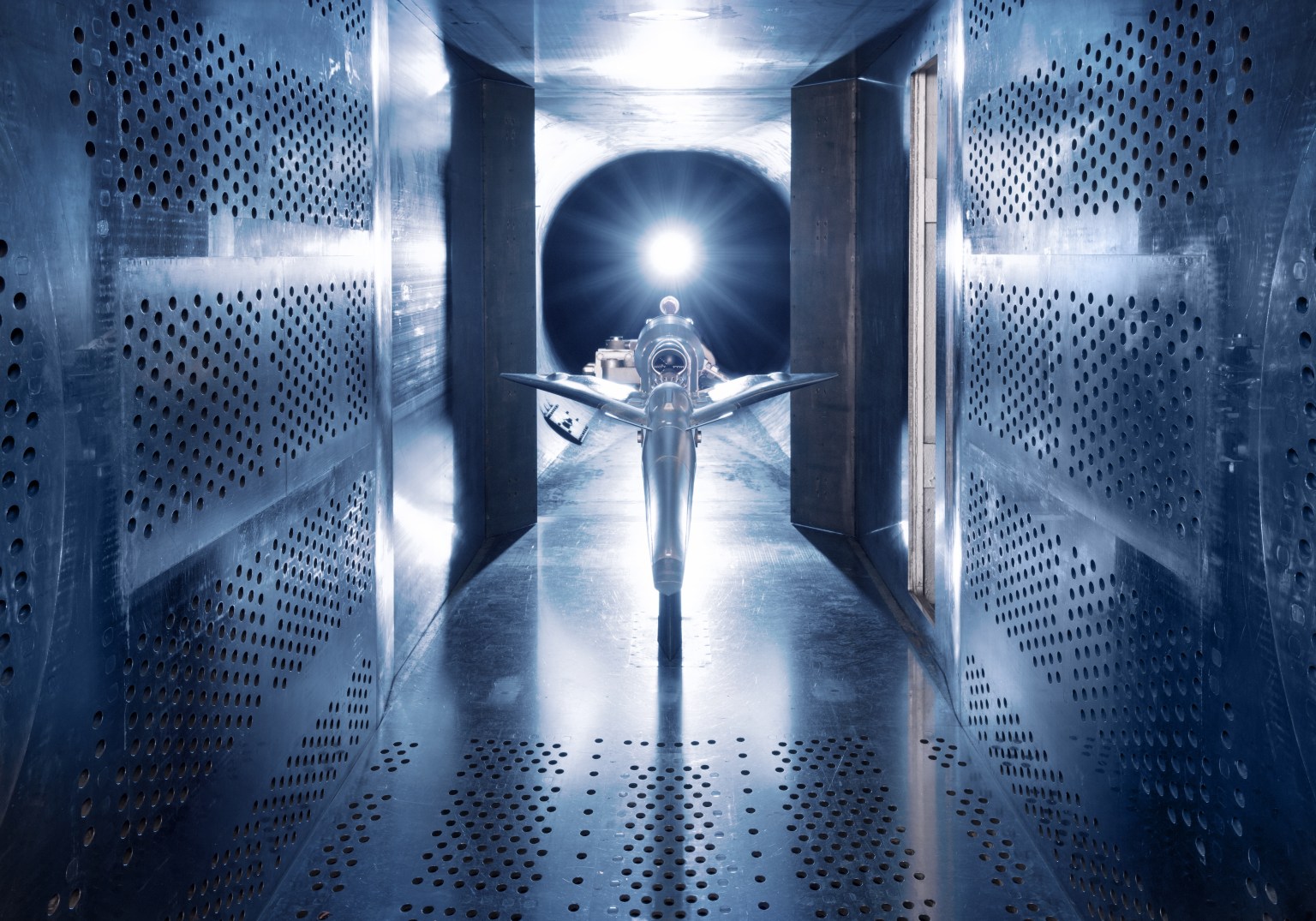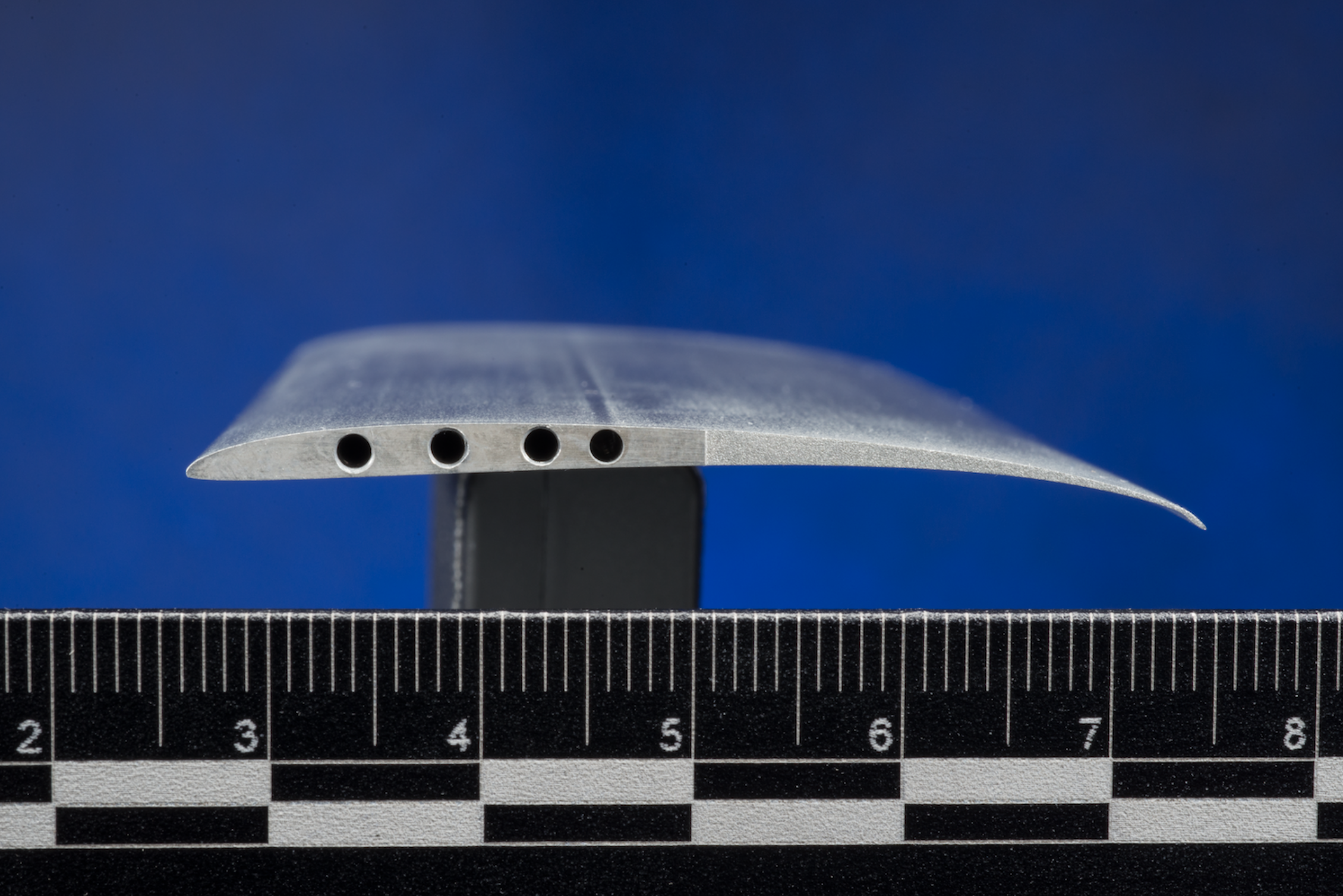
NASA is advancing the future of aerial exploration on Mars by developing new helicopter designs that will enhance flight capabilities in the planet’s thin atmosphere. Researchers are utilizing high-fidelity computer simulations and wind tunnel tests to innovate rotorcraft blades intended for upcoming Mars missions.
Building on Historic Achievements
The Ingenuity helicopter notably became the first powered aircraft to achieve flight on another planet. Following this milestone, the upcoming SkyFall mission, set for launch in 2028, will feature a trio of helicopters aimed at furthering Mars exploration. Both Ingenuity and SkyFall utilize rotor blades designed specifically for the Martian environment, characterized by a unique curved edge that differentiates them from terrestrial counterparts.
Innovative Blade Designs
Researchers are investigating unconventional and sharper blade designs to enhance the range of future flights on Mars. A collaborative team from NASA’s Ames Research Center, Imperial College London, and Nagoya University is focused on a new airfoil design known as roamx-0201. This innovative blade shape, developed through advanced simulations tailored to Martian conditions, has shown promise in improving aerodynamic performance.
Performance Enhancements
Tests indicated that the roamx-0201 blades could significantly extend the potential flight range for future Mars helicopters, achieving distances of up to 18.7 kilometers compared to Ingenuity’s maximum of 0.7 kilometers. These results were shared in a paper published on Sept. 22 by the American Institute of Aeronautics and Astronautics. The new design allows for sustained flight at higher speeds before encountering drag divergence, a performance drop that occurs as rotors approach the speed of sound.
Improved Aerodynamic Efficiency
Additionally, the roamx-0201 design utilizes turbulence in a novel way to enhance lift. By purposely disrupting the boundary layer of air at the leading edge of the airfoil, the blades can generate an upward pull that improves lift efficiency compared to earlier models. This advancement addresses the challenge of “stall,” which can lead to instability in flight. The new design has demonstrated improved stall behavior, allowing for safer operation across a broader range of flight angles.
Ongoing Research and Future Prospects
While the technology is not yet ready for deployment on Mars, the research conducted thus far is crucial for reconciling differences between computational models and actual performance. NASA’s continuing investigations aim to create more efficient Mars helicopters capable of covering greater distances, carrying larger payloads, and facilitating new scientific discoveries.
Source: NASA