Arizona’s bid to host a new NASA training academy is gaining momentum, with Laurie Leshin from Arizona State University (ASU) playing a key role on the Arizona U.S. Space Academy Steering Committee. This committee was established by Governor Katie Hobbs to guide the state’s proposal.
Committee’s Role and Goals
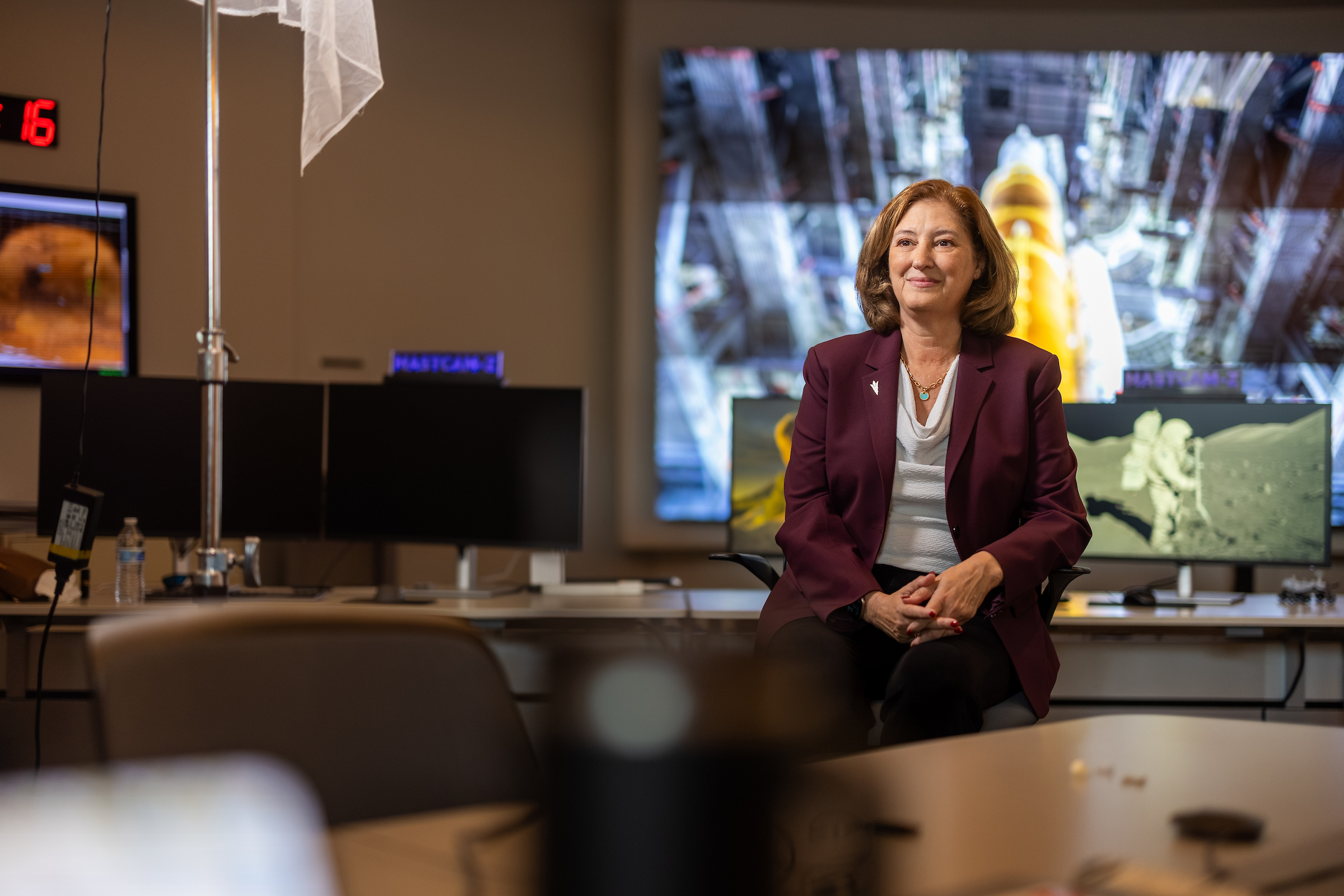
Leshin, who is a University Professor for Space Futures and a former director of NASA’s Jet Propulsion Laboratory, is one of 13 members of the committee. The team is responsible for developing a proposal that outlines plans for the academy, which will focus on space-related education and workforce development. The proposal addresses three main areas: the interim campus location starting in 2028, the identification of a permanent site for the academy, and the financial and logistical aspects of the project.
Vision for the Academy
Leshin has expressed optimism about the potential impact of the Space Academy, envisioning it as a facility dedicated to advancing space exploration through hands-on learning. She emphasized that students would engage in practical projects from the outset, working on space engineering and science.
Involvement of State Universities
ASU and other state universities will play a significant role in the academy, providing expertise and resources. Leshin noted that ASU has a strong pool of students and faculty specializing in space-related fields, which will be integral to the academy’s success. The proposal includes plans for the initial campus to be located near ASU’s Tempe campus, with a permanent site proposed near ASU’s Polytechnic campus in Mesa, and a second option near Flagstaff airport.
Competitive Edge and Timeline
Arizona’s bid is competing against proposals from several other states, but Leshin is confident in the state’s unique qualifications. She highlighted Arizona’s robust aerospace and defense sector and its distinctive geographical features that have historically supported astronaut training. The timeline for the academy is ambitious, with the first class of 300 students aimed to start in the fall of 2028. With bids submitted on November 16, a selection from NASA is anticipated within the next few months.
Source: Arizona State University