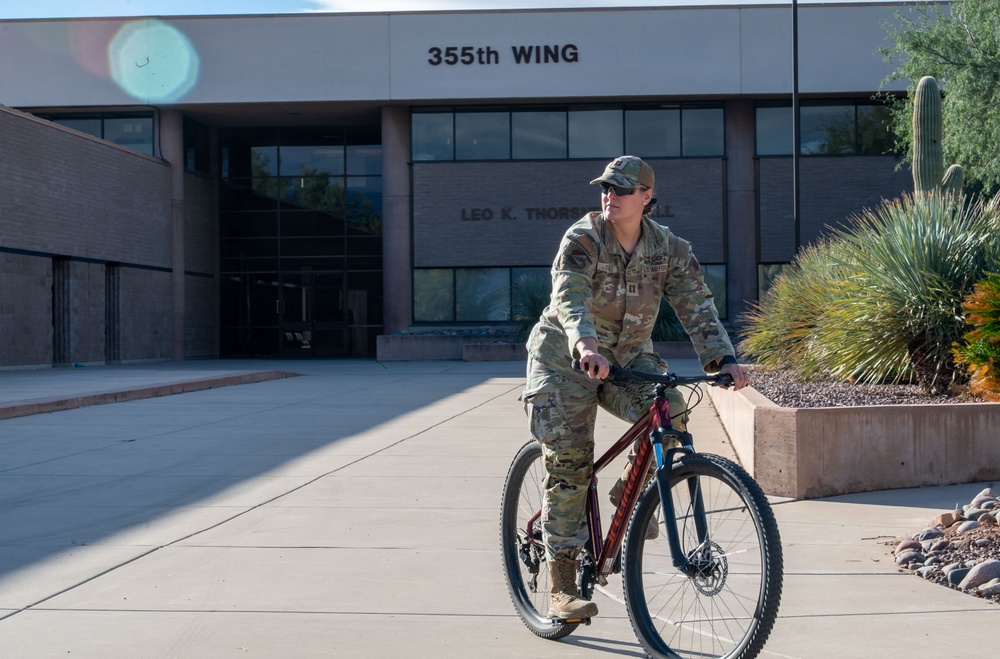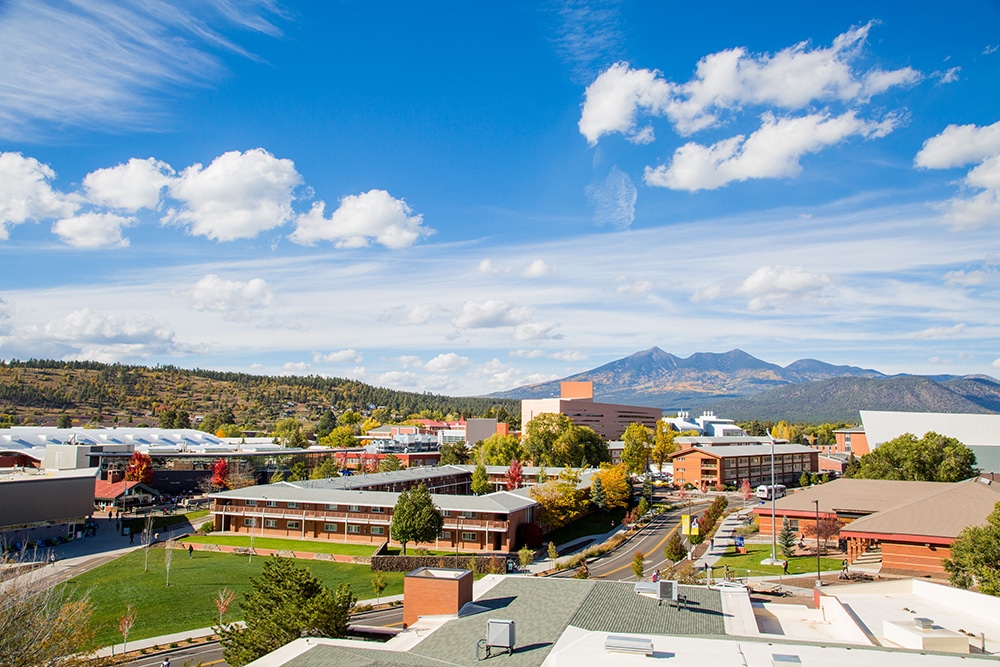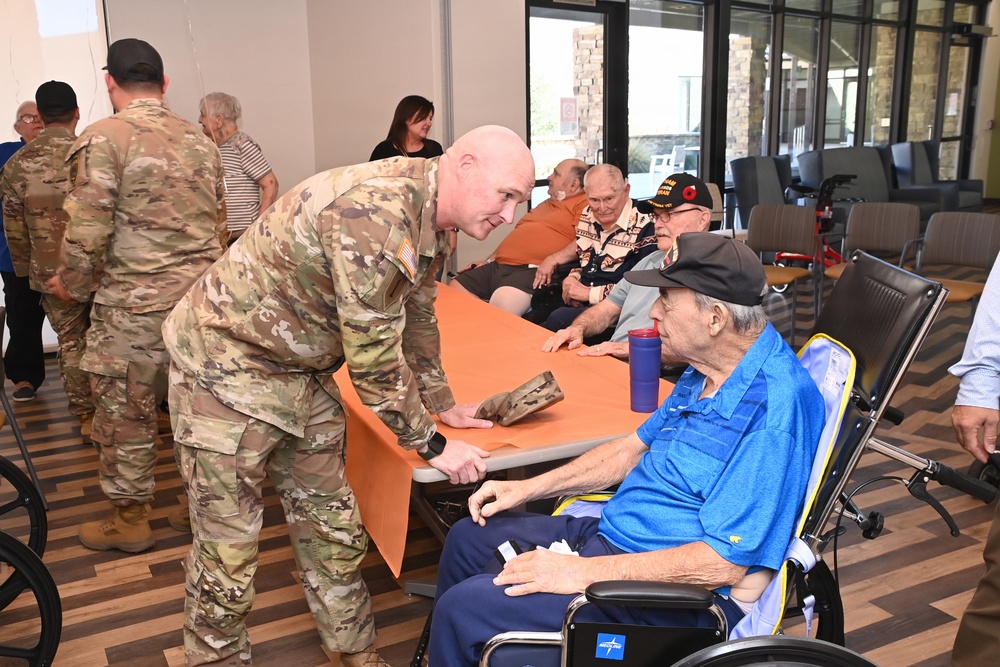
Four ROTC students from Northern Arizona University (NAU) participated in a summer mission in France, seeking to recover the remains of service members lost during World War II. The students collaborated with archaeologists and their peers from Texas State University, all under the guidance of the Defense POW/MIA Accounting Agency (DPAA).
The initiative aims to provide closure for families who have long awaited answers about their loved ones who were shot down over Europe. Rich Ingleby, founder of the Arizona Center for the Missing in Action, emphasized the importance of the mission.
The project began after Ingleby’s previous experience in Poland prompted him to explore further recovery efforts. His discussions with UA archaeologist Jesse Stephen and support from the Arizona Board of Regents led to the inclusion of students from all three state universities in this important work.
NAU cadets involved in the mission included Air Force cadets Paul Petersen and Alexandro Alvarez, along with Army cadets Talan Lee and Eric Millis. Petersen expressed pride in contributing to such a significant historical effort, stating that it was vital work that would impact many lives.
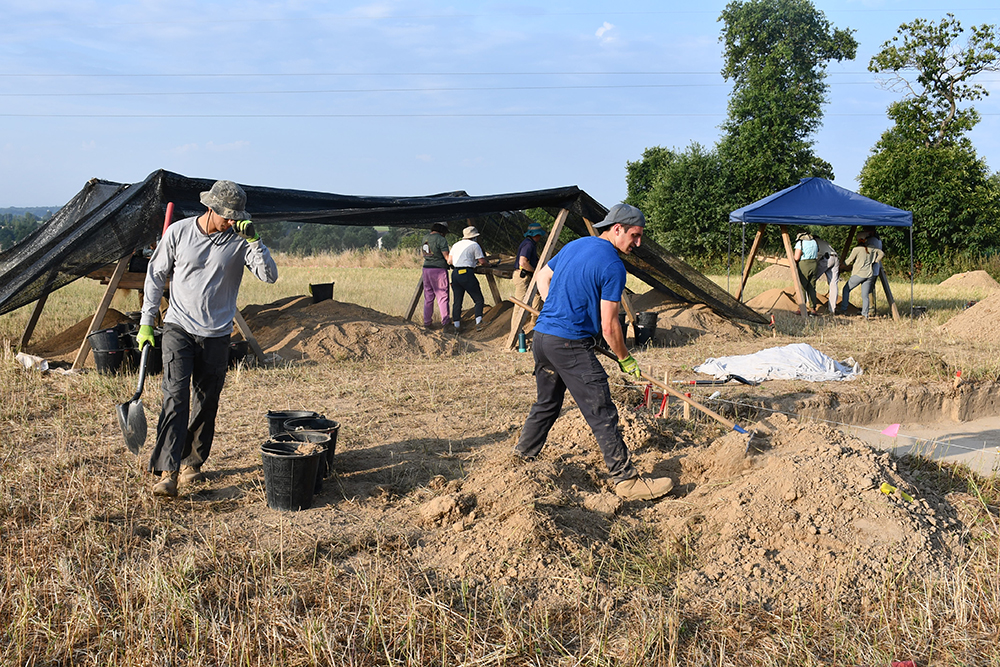
During their time in France, the students sifted through dirt in search of artifacts that could help identify the missing crew and aircraft. They worked under challenging conditions, including a heat wave, but found motivation in the discovery of remnants from the past, such as pieces of aircraft fuselage and small fragments that could belong to the lost service members.
Talan Lee’s ROTC instructor, Nathan Hoepner, noted that the experience was not only educational but also fostered a deeper understanding of history and culture among the students. Each day, they meticulously dug and sifted through designated areas, hoping to uncover clues from the past.
The work done by the students will contribute to forensic analyses at DPAA labs, which face a significant challenge in recovering the remains of approximately 81,000 missing service members. Ingleby highlighted the unique nature of this educational experience, suggesting it offers students a chance to carry a sense of pride in their contribution for the rest of their lives.
Source: Northern Arizona University