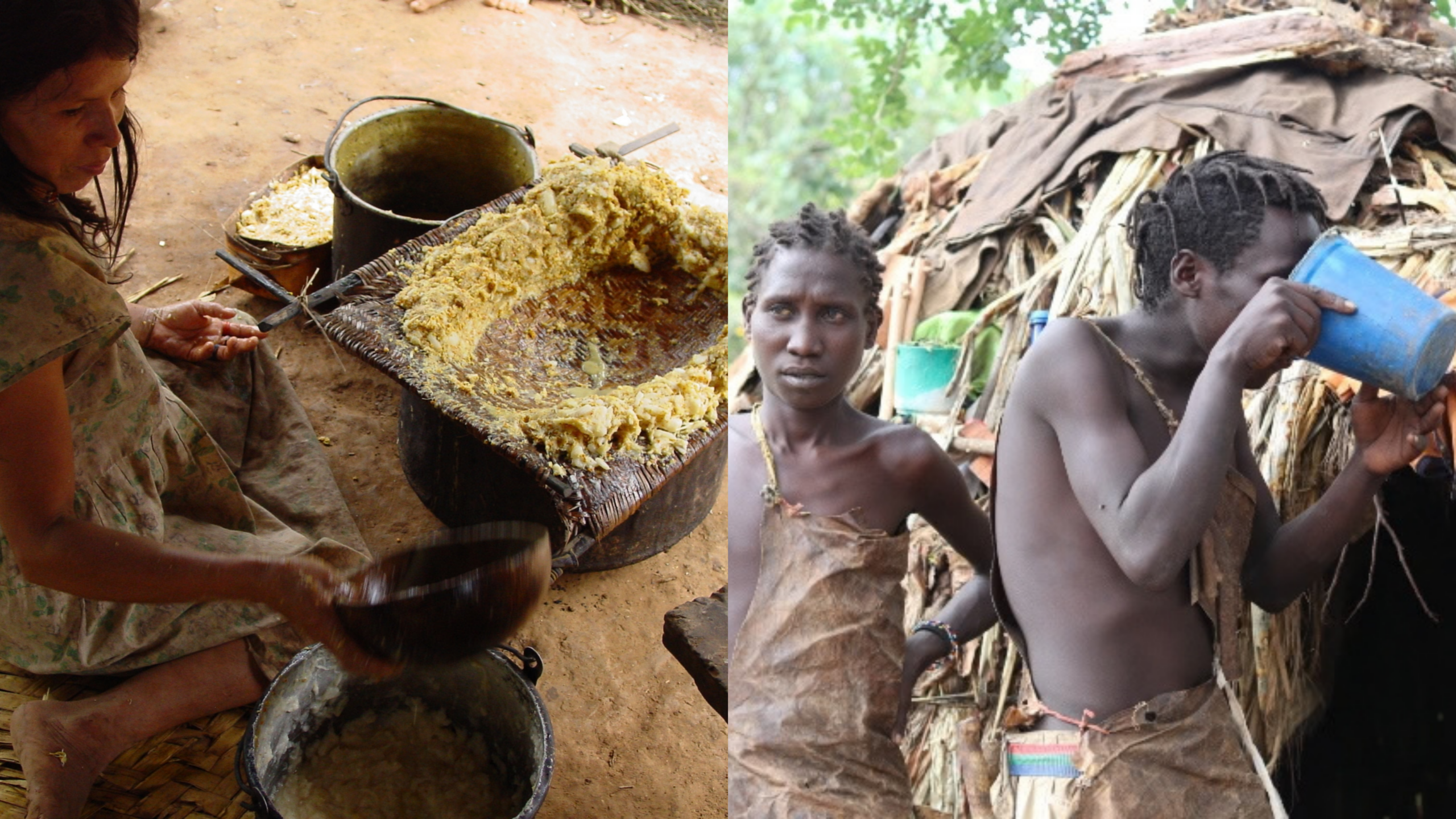
Recent research has provided insights into the gut microbiomes of two distinct human populations, revealing a connection to ancient human migration patterns. A study led by Stanford University, with contributions from Arizona State University, compared the microbiomes of the Hadza people in Tanzania and the Tsimane of Bolivia, highlighting the impact of industrialization on microbial diversity.
Linking Microbiomes to Migration
As humans migrated from Africa thousands of years ago, they carried with them billions of microorganisms that inhabit the gut, playing crucial roles in digestion and immune function. The study, published in the journal Nature, suggests that the microbiomes of these two groups retain a significant number of bacterial species that were once common among early humans. Researchers found that the Hadza and Tsimane share over 1,200 bacterial species, with approximately 60% of these being rare or absent in industrialized populations.
Co-author Ben Trumble, a professor at ASU, emphasized the importance of understanding health in non-industrialized populations. This comparison sheds light on the health implications of losing microbial diversity through modern lifestyles.
Methodology and Findings
The research team utilized deep metagenomic sequencing to analyze the microbial DNA from stool samples collected from the Tsimane. This method allowed them to identify a comprehensive range of microbial species present in the samples. Previous studies had shown that the Hadza microbiome is significantly richer than that of individuals from industrialized regions, with the average Hadza hosting around 750 species compared to just 250 found in a typical Californian’s microbiome.
Despite the distinct diets and geographical separation of the two groups—where the Hadza primarily hunt and forage while the Tsimane cultivate crops—the results indicated a surprising overlap in their microbiomes. The researchers were particularly struck by the high degree of shared microbial species, which may have persisted due to their long-term co-evolution with humans.
Implications for Health
The study suggests that the ancient microbial companions of humans, now declining in modern populations, could be linked to the rising prevalence of chronic diseases associated with industrialization, such as autoimmune disorders and obesity. Senior author Justin Sonnenburg noted that these findings underscore the consequences of recent biodiversity loss in our microbiomes, which could have significant implications for human health.
The researchers are now focused on further understanding the factors influencing the health of the Tsimane and Hadza, particularly in relation to chronic diseases of aging, which appear to be less prevalent in these populations. The study’s findings raise important questions about the long-term effects of microbial loss and the potential health benefits of restoring microbial diversity in contemporary diets.
Source: Arizona State University