NASA is advancing its testing capabilities to tackle a significant aviation safety challenge: icing caused by supercooled large water droplets. This phenomenon can pose risks to aircraft when they encounter unusually large, cold droplets that remain in liquid form.
Understanding Supercooled Large Droplet Icing
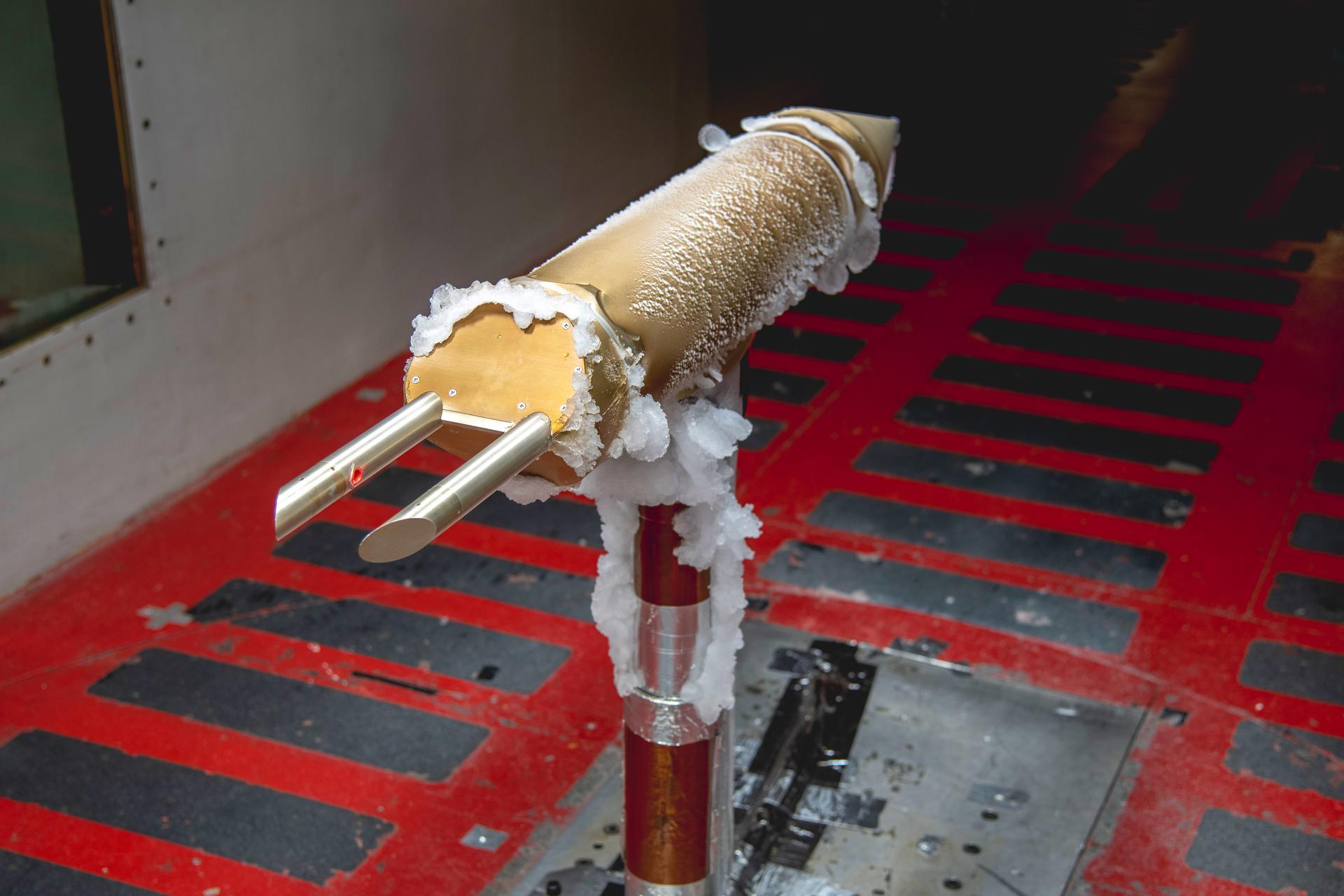
Supercooled large droplet icing occurs when aircraft fly through clouds filled with large water droplets that are below freezing but not yet frozen. These droplets can rapidly freeze upon contact with unprotected aircraft surfaces, leading to dangerous ice accumulation.
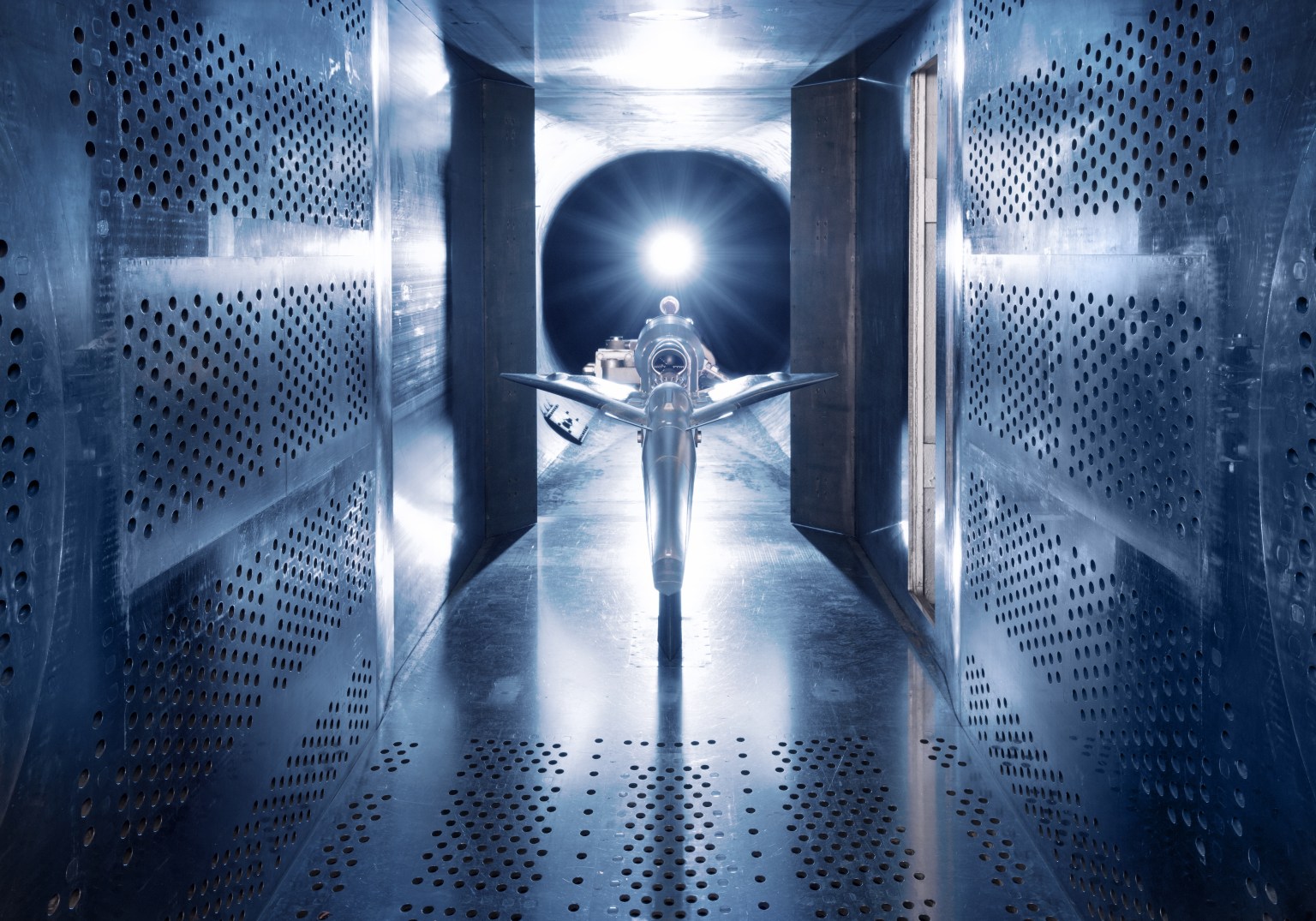
To better understand this issue, NASA is conducting a series of tests in the Icing Research Tunnel at the Glenn Research Center in Cleveland. The goal is to provide the U.S. aviation industry with insights into this rare but critical hazard.
Testing Techniques and Equipment Enhancements
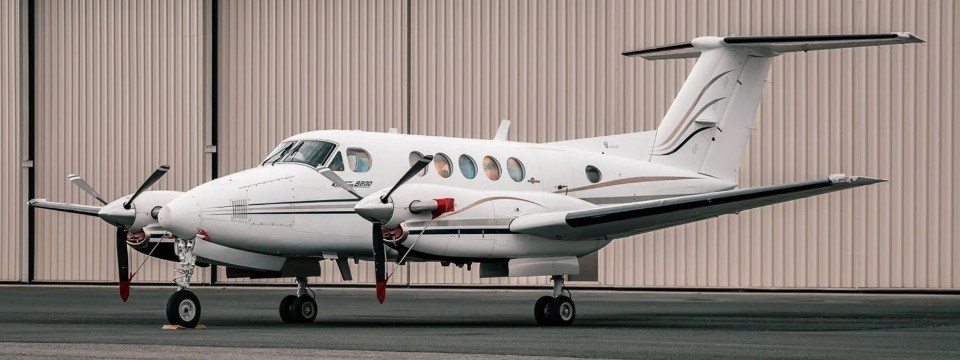
Supercooled water droplets can exist at temperatures below 32 degrees Fahrenheit without freezing, provided they do not encounter particles that facilitate crystallization. Aircraft are typically designed to handle common icing conditions with droplet sizes ranging from 2 to 100 microns in diameter. However, larger droplets, which can reach up to 2,000 microns, present additional challenges, particularly in areas behind conventional ice protection systems.
Current engineering tools effectively model typical icing conditions, but there are concerns about their effectiveness in accounting for the dynamics of supercooled large droplets. In response, NASA is enhancing its equipment to generate and measure experimental clouds in the Icing Research Tunnel.
Innovative Probes for Data Collection
The agency is utilizing new probes that are capable of detecting and analyzing droplet sizes in real-time, specifically those larger than 45 microns. This innovation allows researchers to gather immediate data on droplet sizes, which will be compared to post-processed information obtained from other probes measuring smaller droplets. This comprehensive approach will enable NASA to establish a complete droplet size spectrum.
This testing campaign represents a significant advancement for the Subsonic Flight Demonstrator project, which is part of NASA’s Research and Technology Mission Directorate. The ongoing detailed analysis of the collected data will eventually be shared with the aerospace community to enhance safety and performance in aviation.
Source: NASA