Registration is now open for the 2026 NASA Space Apps Challenge, a two-day global hackathon scheduled for November 14 and 15. Teams will work collaboratively to develop solutions inspired by NASA’s ambitious exploration goals, utilizing the agency’s free and open data.
Event Overview
The Space Apps Challenge is an intensive problem-solving event that allows participants to engage with real-world challenges defined by NASA experts. This year’s event emphasizes three main focus areas: returning humans to the Moon, preparing for deeper solar system missions, and expanding our understanding of the universe. Participants do not need to be programmers; individuals from various backgrounds, including students, scientists, engineers, designers, and space enthusiasts, are encouraged to contribute their skills.
NASA’s Call for Participation
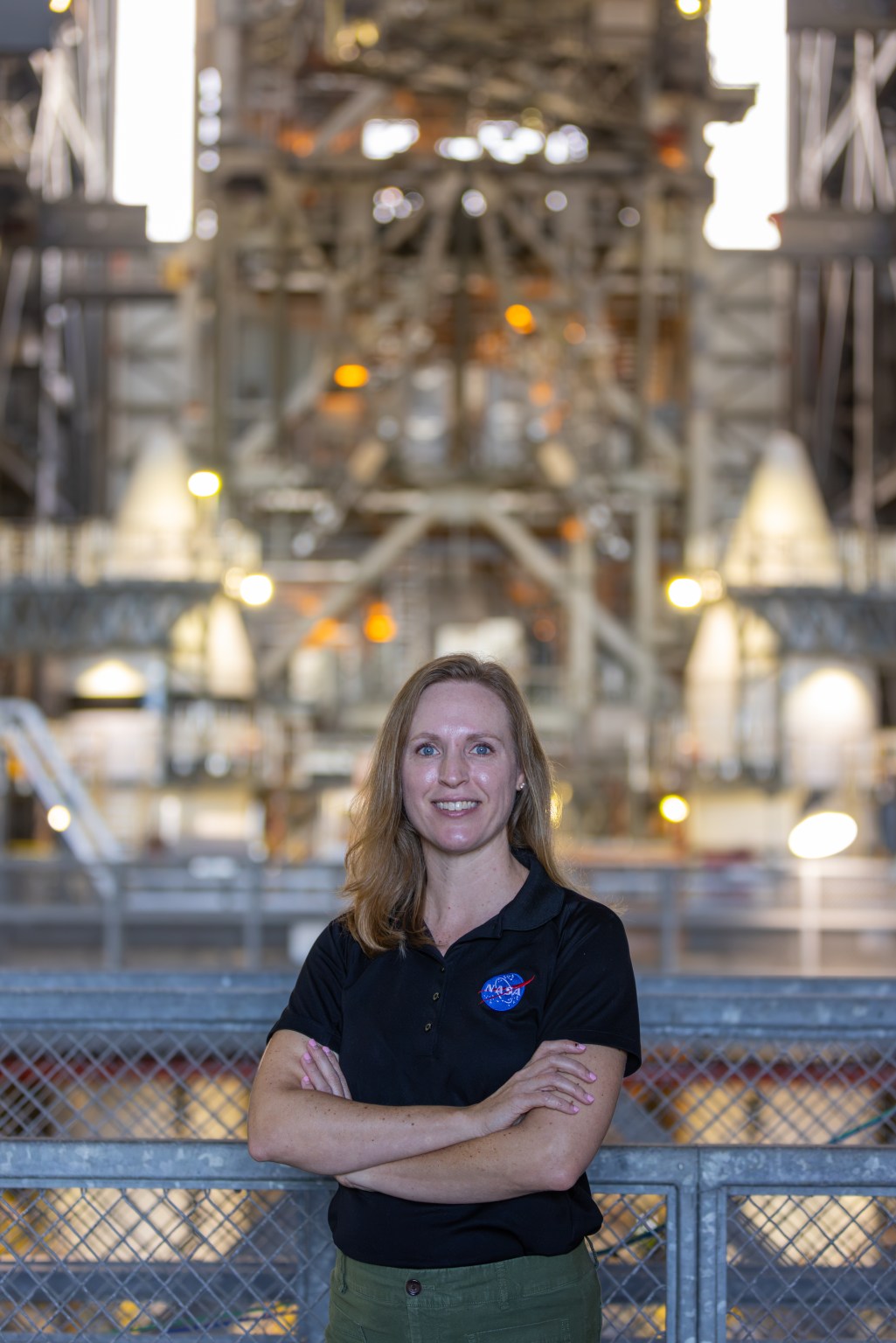
Nicky Fox, associate administrator for the Science Mission Directorate at NASA Headquarters, emphasized the inclusive nature of the event, stating, “At NASA, science is for everyone.” Fox highlighted the opportunity for students globally to utilize NASA’s data to support the development of an interplanetary survival guide, which aims to enhance astronaut living conditions on the Moon and Mars while also inspiring improvements for daily life on Earth.
Focus on Lunar Exploration
This year’s challenges are closely tied to NASA’s Artemis program and plans for a sustained human presence on the Moon. Participants will tackle issues related to lunar missions, including operational considerations for the Moon’s South Pole, managing environmental factors like sunlight and communication windows, and evaluating the demands of long-duration stays on the lunar surface. Challenges also include modeling astronaut health and safety, reflecting the intricacies of planning for human activity on the Moon.
Preparing for Mars and Beyond
NASA’s exploration strategy also encompasses robotic missions to the outer solar system and future human endeavors on Mars. Participants will explore operational concepts for Martian activities, integrate data from various Mars missions, and address the challenges of long-duration space travel, such as monitoring health indicators. Some challenges will also focus on engineering decisions that impact mission outcomes in deep-space environments.
Enhancing Astrophysics Access
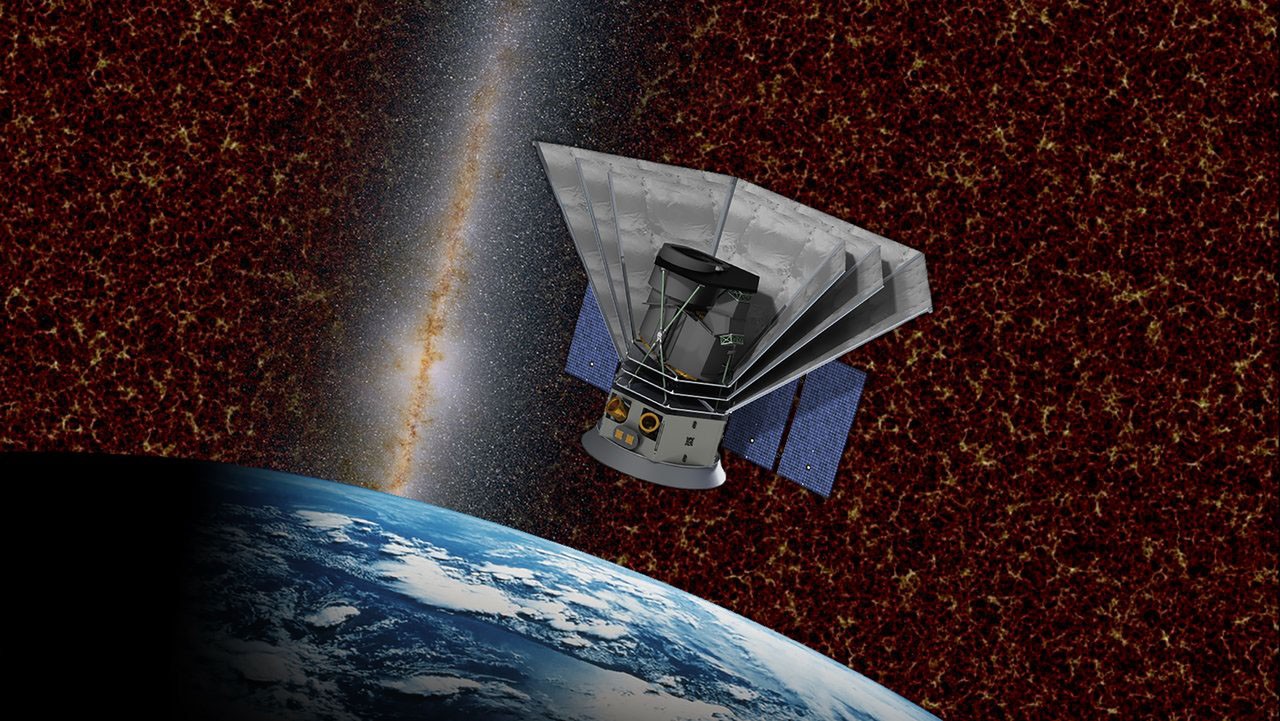
In addition to exploration, NASA’s astrophysics missions play a crucial role in understanding the universe’s structure and history. Current missions, such as the Spectro-Photometer for the History of the Universe (SPHEREx), aim to survey the sky and investigate cosmic evolution. Challenges related to these missions will seek to improve public access to mission data and develop tools to visualize astronomical changes over time.
Engagement and Registration
These challenges reflect how NASA’s open data ecosystem fosters innovative science and engages the public in addressing real-world needs. Registration for the Space Apps Challenge is available, allowing participants to join one of over 500 local events, form teams, and select challenges that interest them during the hackathon.
Source: NASA