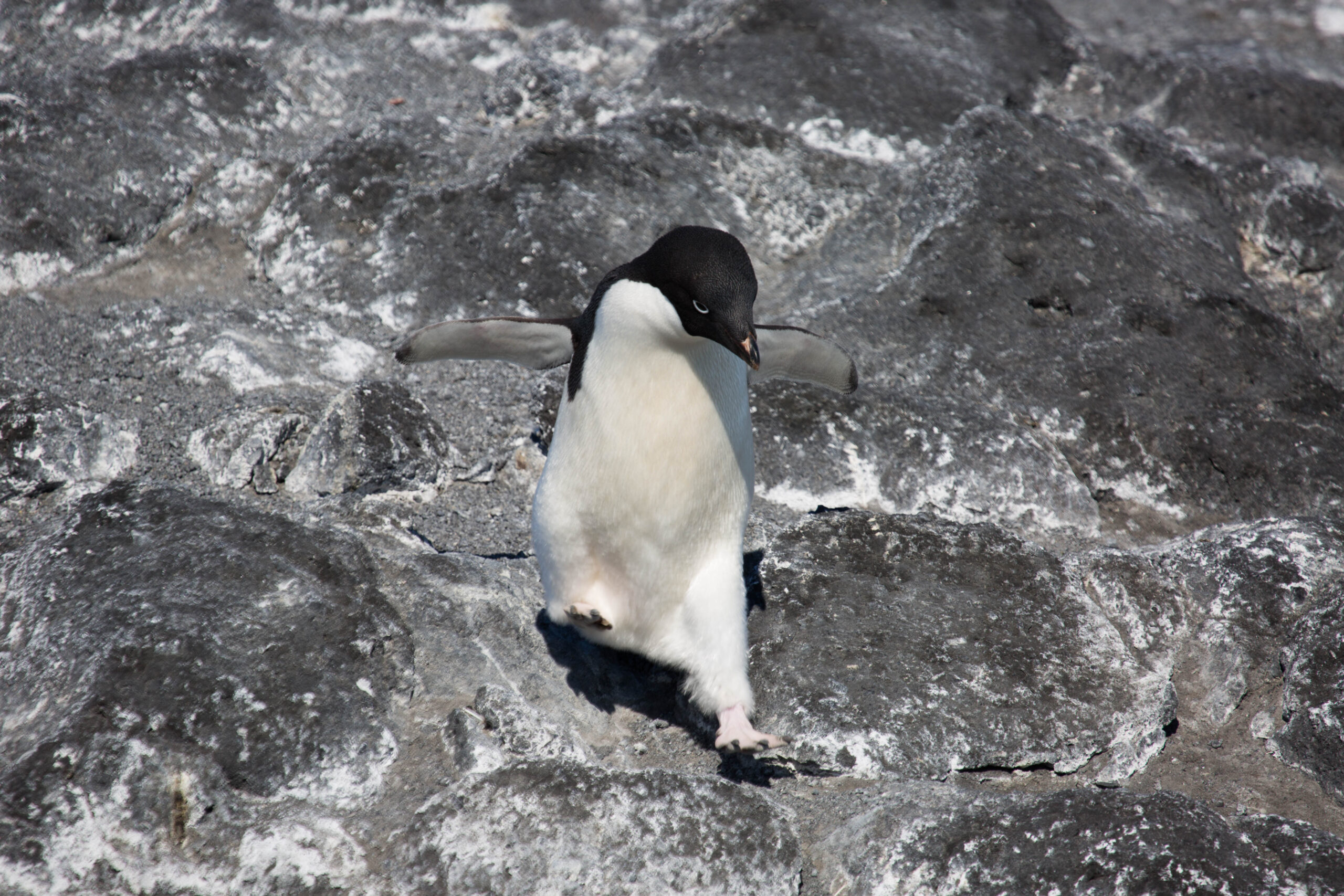
Researchers, including Arizona State University virologist Arvind Varsani, are embarking on a significant project aimed at mapping the genetic diversity of life in Antarctica. The $18.4 million initiative, funded by the National Science Foundation, is named Genome Infrastructure catalyzing next Generation Antarctic Data, Access, Tools, and Analytics, or GIGA DATA.
Project Overview
The GIGA DATA project aims to create a comprehensive genomic resource representing over 250 species from Antarctica, including various algae, invertebrates, fish, birds, and marine mammals. It will also analyze 600 environmental samples from ecosystems like lakes and soils, yielding tens of thousands of microbial and viral genomic datasets.
Varsani, who is a professor in the School of Life Sciences at ASU and affiliated with multiple research centers, specializes in the study of viruses within ecosystems. His experience includes extensive research on viruses linked to Antarctic wildlife such as penguins and seals. The project is led by Alison Murray from the Desert Research Institute.
Research Goals and Techniques
The primary objective of the project is to sequence at least 250 eukaryote genomes from diverse Antarctic species, alongside microbial communities from the environmental samples. The sequencing will be conducted by researchers at the University of Connecticut, with contributions from partner institutions in bioinformatics and genomics.
Varsani’s role involves ensuring robust computational workflows for analyzing viral sequences and facilitating data accessibility for the broader scientific community. He noted the unique challenges posed by viral genomes, which can consist of either DNA or RNA, necessitating specialized analytical tools.
Importance of the Research
This comprehensive genomic resource is expected to enhance understanding of how Antarctic organisms adapt to extreme conditions, which could have implications for evolutionary biology and ecosystem resilience. For instance, pigment-producing bacteria and antifreeze proteins in Antarctic fish illustrate how adaptations can lead to potential biotechnological applications.
Furthermore, the project aims to address a significant gap in the genomic data available for Antarctic viruses. Varsani highlighted the importance of the project in improving the understanding of complex evolutionary processes among the region’s organisms.
Challenges Ahead
While the research promises to yield valuable insights, it also faces challenges. Some Antarctic organisms, such as icefish, possess genomes with complex repetitive regions that complicate sequencing efforts. The team plans to utilize advanced long-read sequencing technologies to obtain more comprehensive genetic data.
Varsani expressed enthusiasm about the scale and ambition of the GIGA DATA project, calling it a “huge-scale project and a big undertaking.” The outcomes of this initiative could potentially lead to significant advancements in various scientific fields.
Source: Arizona State University