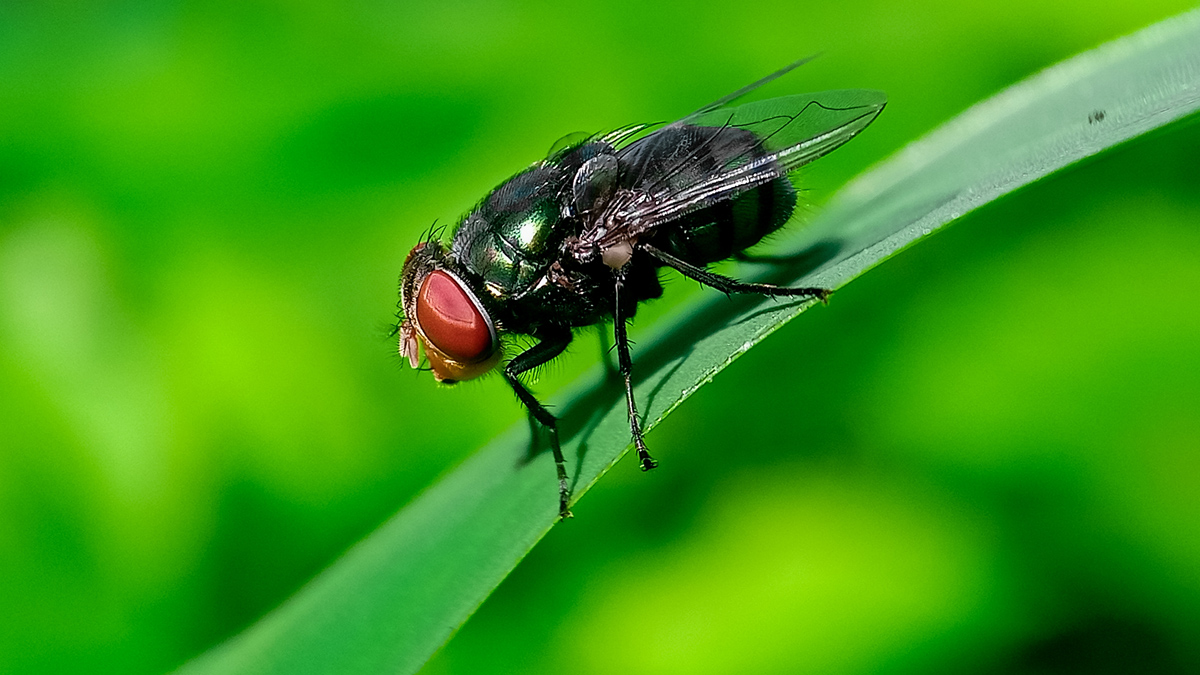
Two animals in southern Arizona have tested positive for New World screwworm, marking the state’s first confirmed cases of this parasitic infestation. A dog and a horse were reported with the condition, which involves larvae feeding on living tissue.
Details of the Confirmed Cases
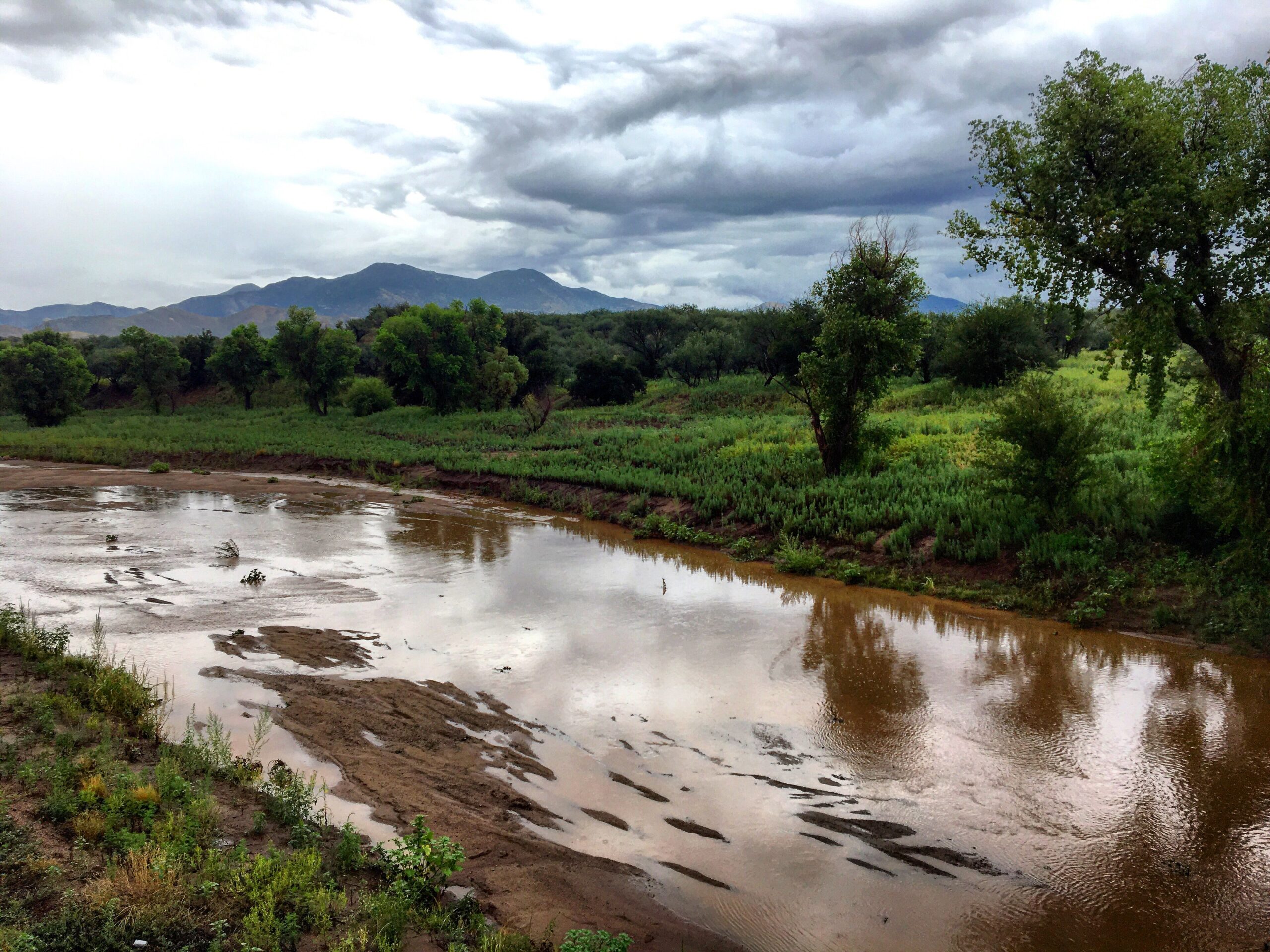
The confirmed cases were recorded in Cochise County, a region near the U.S.-Mexico border. The dog, which resides on a ranch with livestock, is currently receiving veterinary care and is recovering. The horse with a confirmed case is located in a different city. These findings were confirmed by the U.S. Department of Agriculture’s Animal and Plant Health Inspection Service. In response, animal health officials have initiated containment measures.
Expert Insights on Risks and Prevention
Hayley Yaglom, an epidemiologist associated with the Arizona State University Health Observatory, indicated that while the situation is serious, the overall risk to most pets remains low. Pet owners are encouraged to be vigilant and watch for specific signs of infection. She highlighted the importance of inspecting pets, especially those that spend time outdoors or around livestock, for wounds or any skin irritations.
Recognizing Potential Infestation
Pet owners should monitor their animals for open wounds, as these can attract the female fly to lay eggs. Signs of infestation may include persistent licking or chewing at a specific area, discomfort, and non-healing wounds that appear swollen or emit foul odors. Immediate veterinary attention is advised if such symptoms arise.
Preventive Measures for Pet Owners
To protect pets from New World screwworm, Yaglom recommends keeping wounds clean and dry and conducting daily checks for any cuts or signs of irritation. Maintaining flea and tick prevention is also suggested to limit bites and potential infections. While the larvae do not transmit directly between animals or to humans, individuals should keep their own open wounds clean and covered, particularly when near livestock.
Wider Context and Response Efforts
The New World screwworm has been a concern in various U.S. states, with the first case reported in June in Texas. As of November 3, there are 90 confirmed cases across Texas, New Mexico, and Arizona, affecting livestock, pets, and wildlife. The Arizona Department of Agriculture has been proactive in preparing for such outbreaks, focusing on outreach and education efforts for veterinarians and livestock owners following these recent cases.
Future Outlook on the Outbreak
Officials acknowledge that additional cases may arise in both livestock and companion animals. The emphasis remains on early detection and preventive strategies to manage and contain the outbreak effectively. The ASU Health Observatory continues to collaborate with state agencies to enhance awareness and support surrounding this issue.
Source: Arizona State University