A new album featuring sounds generated from data on baby stars has been released by NASA’s Chandra X-ray Observatory. This collection includes four sonifications that transform stellar data into audible experiences, showcasing areas in the universe where stars are actively being formed.
Insights from Stellar Formation
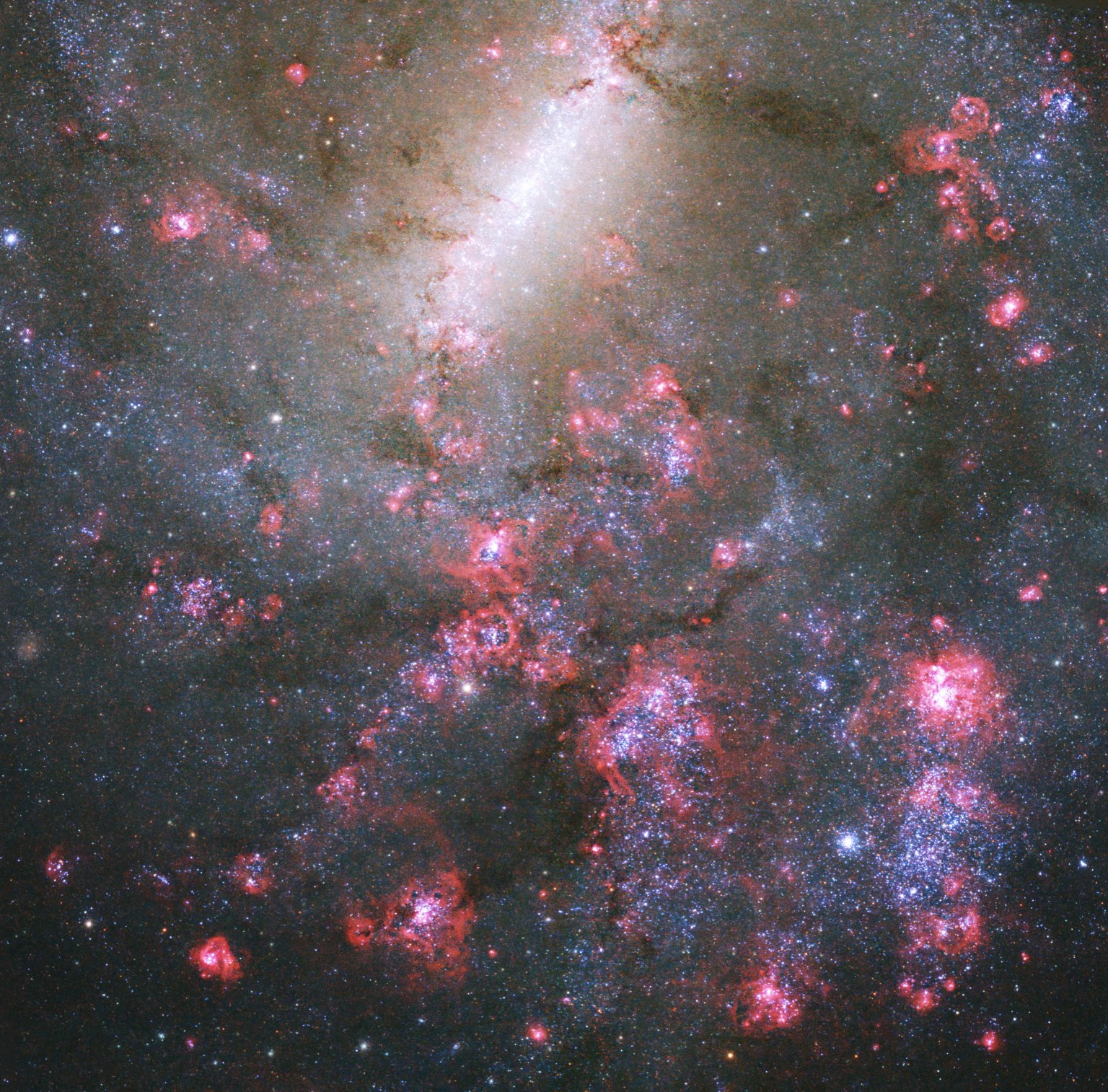
The sonifications utilize data gathered by Chandra alongside other NASA telescopes, allowing astronomers to gain a deeper understanding of the lifecycle of stars, including our Sun. One remarkable example is the galaxy Messier 82 (M82), known as a starburst galaxy due to its high rate of star formation, which is significantly greater than that of the Milky Way. The data from Chandra highlights massive plumes of hot gas resulting from the activity of young, massive stars and their explosive deaths. In this sonification, the three different types of light (X-ray, optical, and infrared) are translated into sound, creating a unique auditory representation of the stellar environment.
Star Formation Regions Explored
Another significant area featured is the Orion Nebula, one of the nearest star-forming regions to Earth. The sonification captures the energetic and active baby stars in this region as twinkling sounds, with the diffuse X-ray emissions represented by high tones. The infrared data from the James Webb Space Telescope showcases the materials used for star formation, rendered as lower musical tones and string instrument sounds.
In the Carina Nebula, also known for its striking star formation, the sonification captures the essence of the Cosmic Cliffs. Here, individual baby stars produce short string sounds, while a diffuse X-ray glow is translated into longer string notes. The sustained sound from the nebula’s infrared data includes various instrumental punctuations that indicate distinct features.
Rho Ophiuchi and Its Unique Soundscape
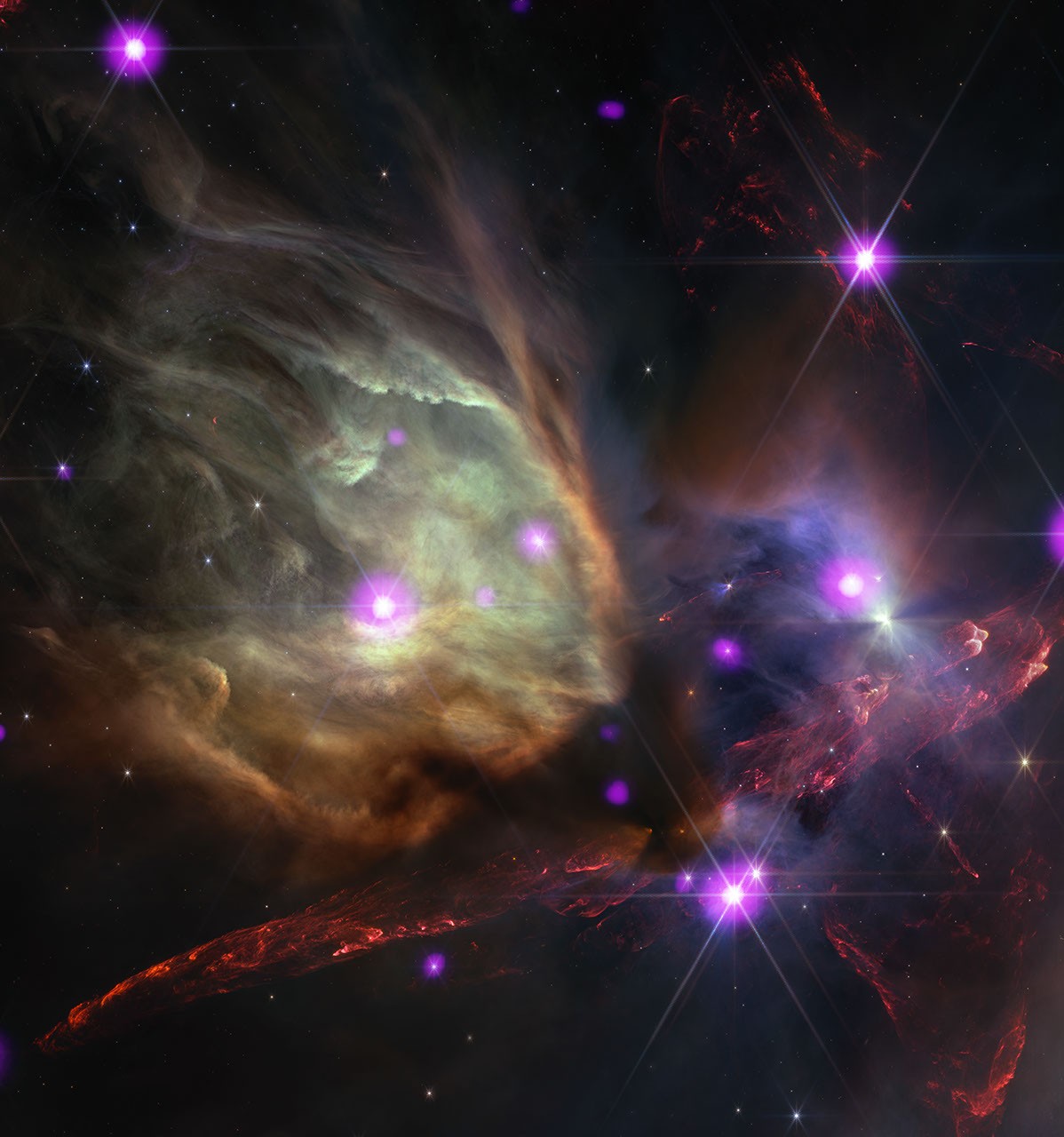
The Rho Ophiuchi cloud is another captivating star-forming region highlighted in the album. It is filled with a mix of gas and stars at various stages of development. In this sonification, Chandra’s X-ray data is represented as high-pitched tones, while the infrared data is translated into a range of pitches, creating a complex auditory landscape. The presence of dark dust clouds in this region leads to a noticeable gap in the sound, representing areas that emit minimal light.
The Chandra program is managed by NASA’s Marshall Space Flight Center, while science operations are overseen by the Smithsonian Astrophysical Observatory’s Chandra X-ray Center. The sonification project is led by visualization scientist Kimberly Arcand, along with contributions from astrophysicist Matt Russo and musician Andrew Santaguida.
For those interested in exploring more sonifications, additional materials can be found through NASA’s Chandra resources.
Source: NASA