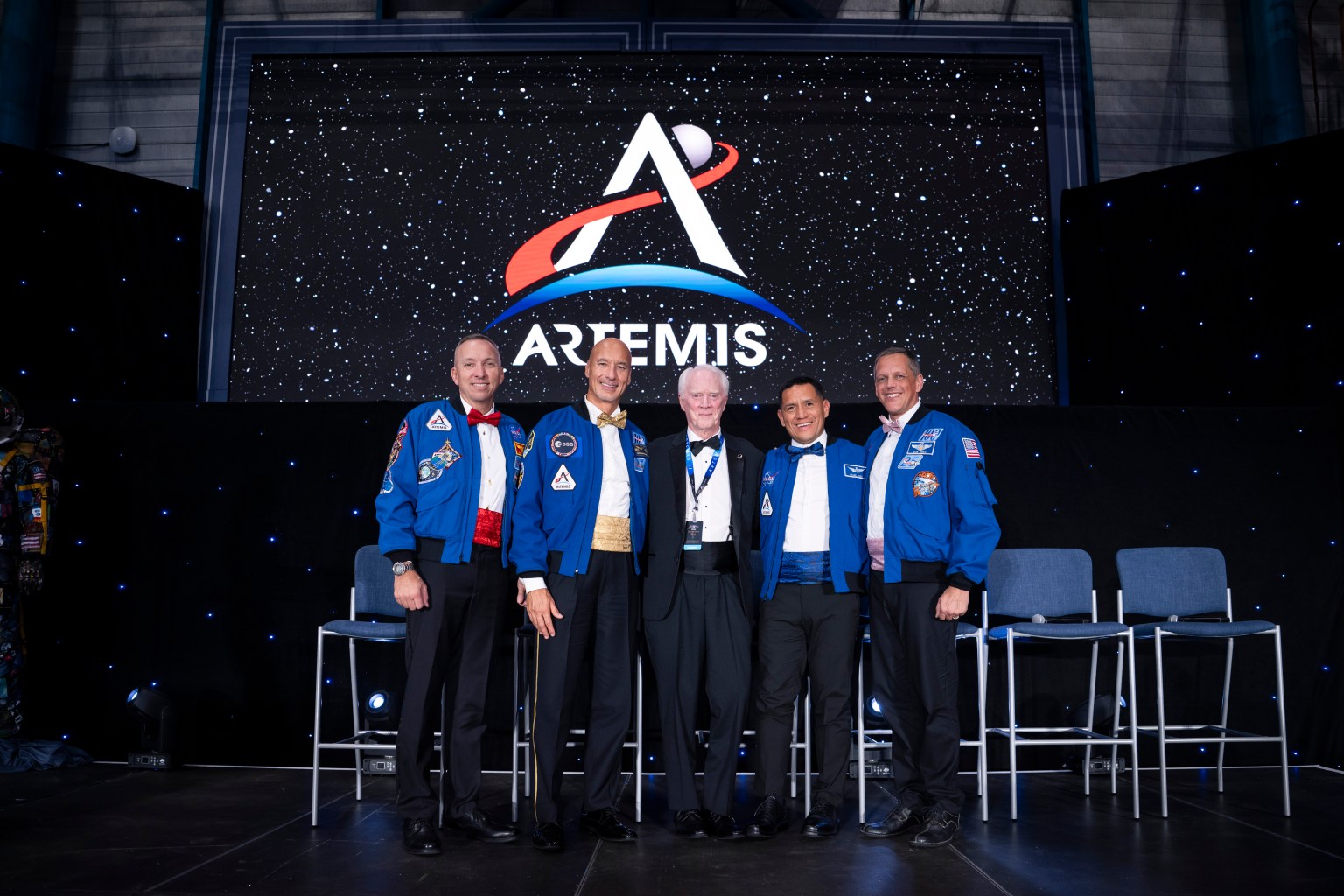
NASA’s Johnson Space Center in Houston celebrated its 65th anniversary on Nov. 19, 2026, marking a significant milestone in the agency’s history of human spaceflight. The center has played a crucial role in various missions, from the Gemini program to ongoing preparations for lunar exploration under the Artemis initiative.
Historic Contributions to Spaceflight
Since its inception as the Manned Spacecraft Center on Nov. 1, 1961, Johnson Space Center has been integral to human space exploration. It began during the Mercury and Gemini missions, which set the groundwork for Apollo. The center became the primary flight control hub in June 1965, managing missions that included the first American spacewalk and Apollo missions that culminated in lunar landings. After the Apollo 1 tragedy, the center’s teams implemented vital safety improvements, allowing crewed missions to resume successfully by 1968.
The Apollo 8 mission in December 1968 marked the first crewed journey around the Moon, followed by the historic Apollo 11 landing in July 1969, when Neil Armstrong and Buzz Aldrin became the first humans to set foot on the lunar surface.
Advancements in Long-Duration Missions
Johnson continued to evolve with the Skylab program, the nation’s first space station launched in 1973, which faced and overcame significant challenges during its initial operations. The Apollo-Soyuz Test Project in 1975 saw American astronauts and Soviet cosmonauts meet in space for the first time, paving the way for future international collaborations in space exploration.
The Space Shuttle program, starting with Columbia’s launch in 1981, further advanced human spaceflight, conducting 135 missions over 30 years, including deploying satellites and assembling the International Space Station (ISS). Despite setbacks, such as the Challenger and Columbia disasters, the program emphasized safety and innovation, concluding in 2011.
International Space Station as a Research Hub
The ISS, developed from plans initiated in the 1980s, began construction in 1998 and has supported continuous human presence in low Earth orbit since Nov. 2, 2000. It has hosted 298 individuals from 26 countries, facilitating over 4,000 scientific experiments. The ongoing collaboration at Johnson ensures that research and operations continue to thrive, contributing to advancements in science and technology.
Preparations for Lunar Exploration
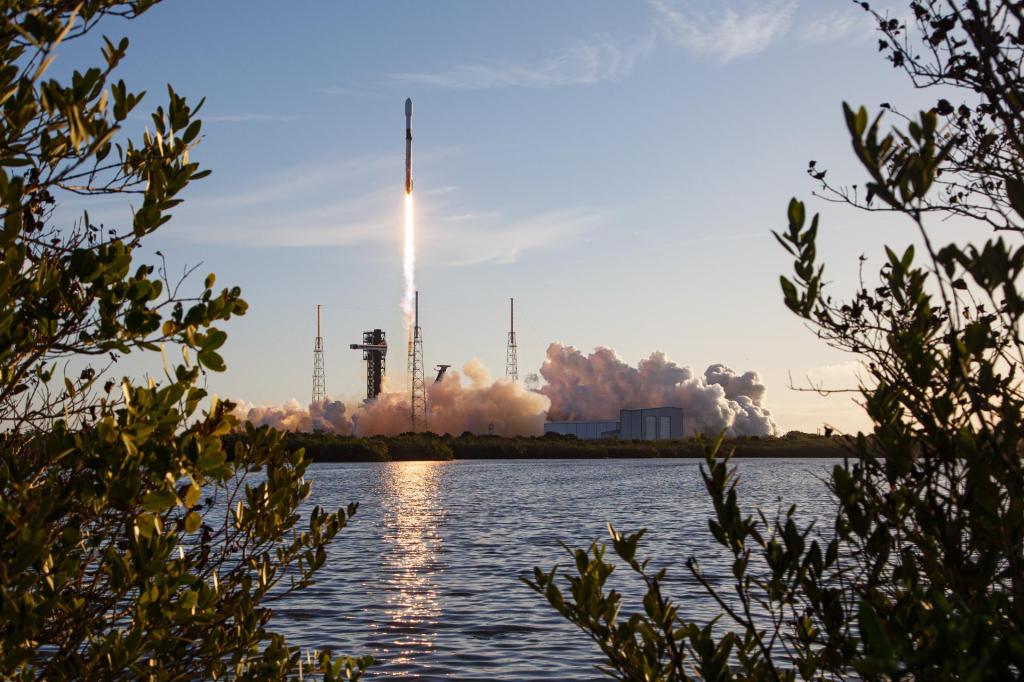
The Artemis program represents the next phase of lunar exploration, with Artemis II being the first crewed test flight of the Orion spacecraft, which launched on April 1, 2026. Future missions aim to establish a sustained human presence on the Moon, focusing on infrastructure to support astronauts near the lunar South Pole.
Johnson Space Center’s extensive experience in astronaut training, mission control, and spacecraft development is critical as NASA prepares for these upcoming missions, reinforcing the center’s legacy in human spaceflight over its 65 years of operation.
Source: NASA