Researchers at Arizona State University have developed a novel programmable DNA-based building system that may revolutionize the construction of nanoscale structures, paving the way for advancements in nanorobots, 3D electronics, and next-generation nanotechnology. The findings were published in the journal Science Robotics.
Innovative Assembly Techniques
Led by Associate Professor Petr Sulc, the research team has created cube-shaped DNA structures that can spontaneously assemble into complex three-dimensional forms. This method addresses a significant challenge in nanotechnology: the ability to build intricate objects without the need for precise manual placement of each component.
By designing specific DNA sequences, scientists can program strands to recognize and bind to one another in controlled ways. The team’s approach allows for the assembly of structures by mixing the DNA building blocks in solution, where they collide and connect according to their designed interactions. “It’s like playing Minecraft at a very, very small scale,” Sulc noted, emphasizing the creative potential of this technology.
Designing with Precision
The researchers implemented a “minimal kit” design principle, starting with a desired 3D shape and using computer simulations to optimize the number of building blocks required. This reduces the likelihood of assembly errors caused by unintended connections. The team conducted extensive simulations, some involving over 3.5 million particles, utilizing ASU’s high-performance computing capabilities.
Following their simulations, the team proceeded to laboratory testing, which included a variety of assembled structures, such as a Menger cube. One notable achievement was creating a structure composed of about 400 DNA building blocks, marking it as the largest three-dimensional noncrystalline structure in DNA nanotechnology to date.
Challenges and Advances in Imaging
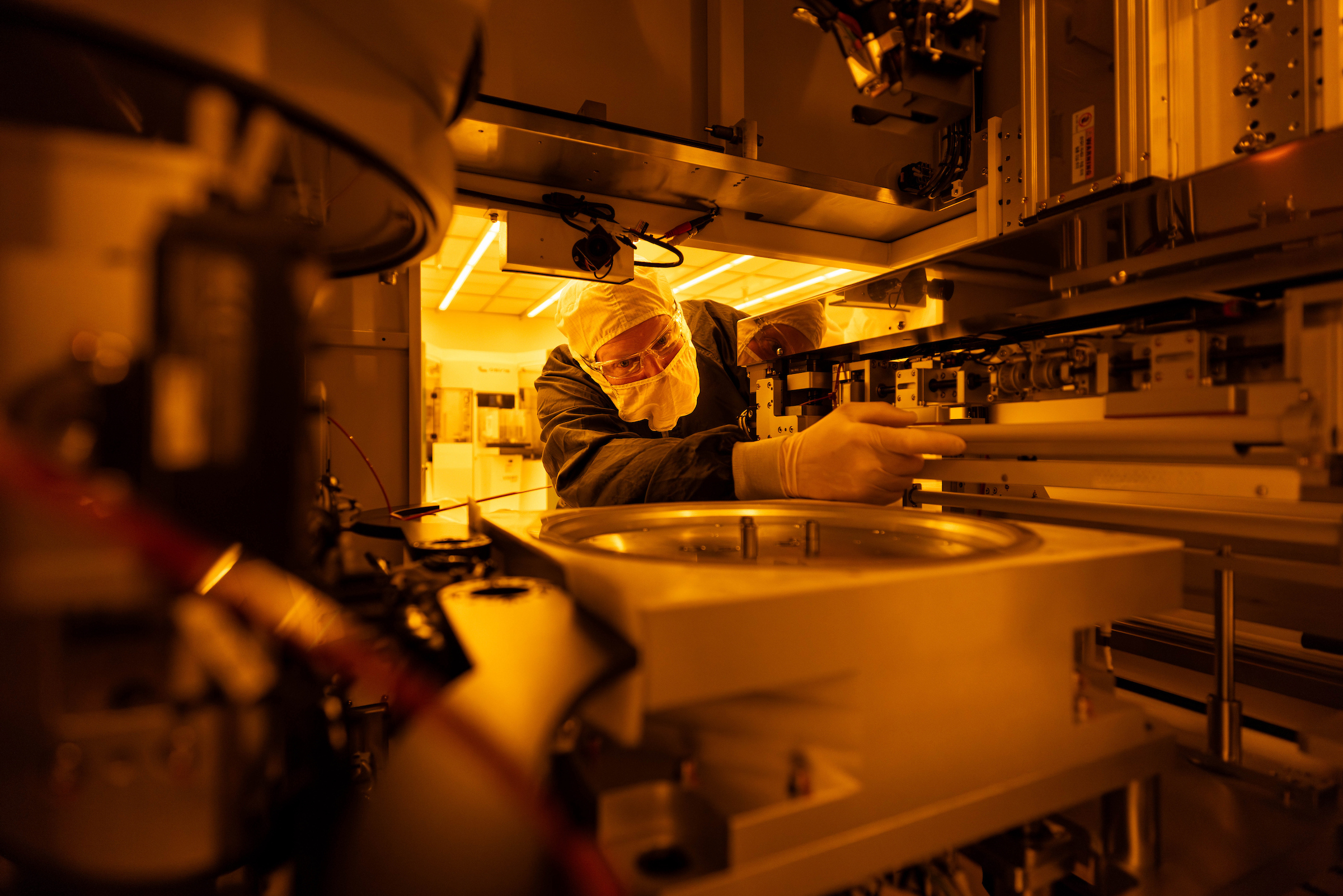
Confirming the correct assembly of these structures posed challenges, particularly for larger formations. While smaller structures could be analyzed using cryogenic electron microscopy, larger assemblies required scanning electron microscopy. The team developed novel sample-preparation techniques to ensure the delicate DNA structures could withstand the imaging process without losing their integrity.
Potential Applications and Future Directions
The research also explored the capability of the DNA building blocks to alter structures post-assembly. Through a technique called cube displacement reaction, new DNA cubes were able to replace existing components, demonstrating the potential for creating reconfigurable nanorobots. Additionally, the researchers collaborated with Emory University to incorporate carbon nanotubes into the DNA structures, moving towards the development of three-dimensional circuits.
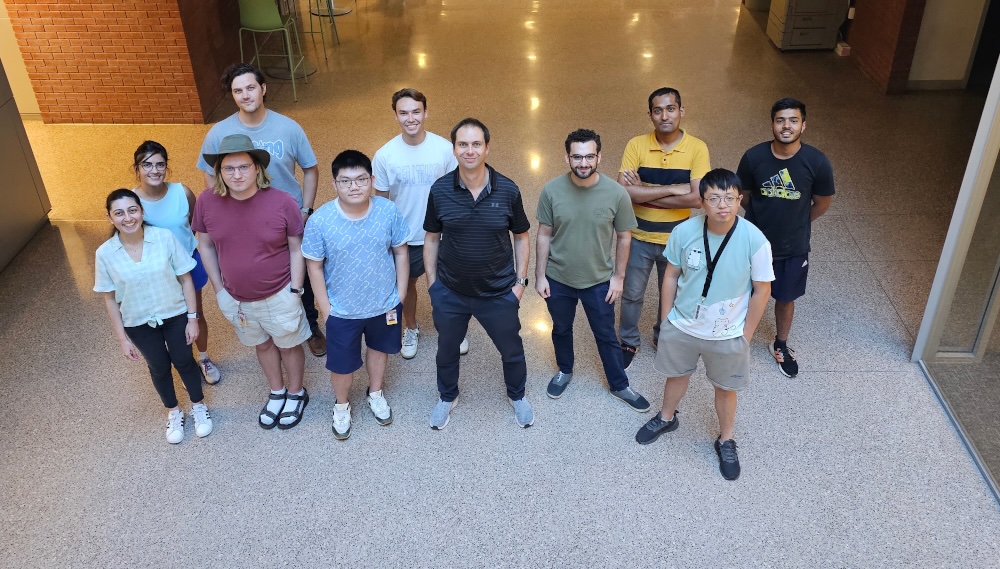
The collaborative effort involved a diverse group of students and faculty, with significant contributions from doctoral students Thong Diep and Hao Liu, as well as others who conducted experimental and computational work. To facilitate further research, Sulc established a platform for sharing DNA nanostructure designs, allowing others to build upon their findings.
As Sulc noted, the shift in nanotechnology methodologies—moving from trial and error to using predictive design tools—mirrors advancements seen in aviation. With improvements in computational resources, the potential for designing complex nanoscale structures is becoming increasingly feasible, possibly leading to transformative manufacturing techniques in the future.
Source: Arizona State University