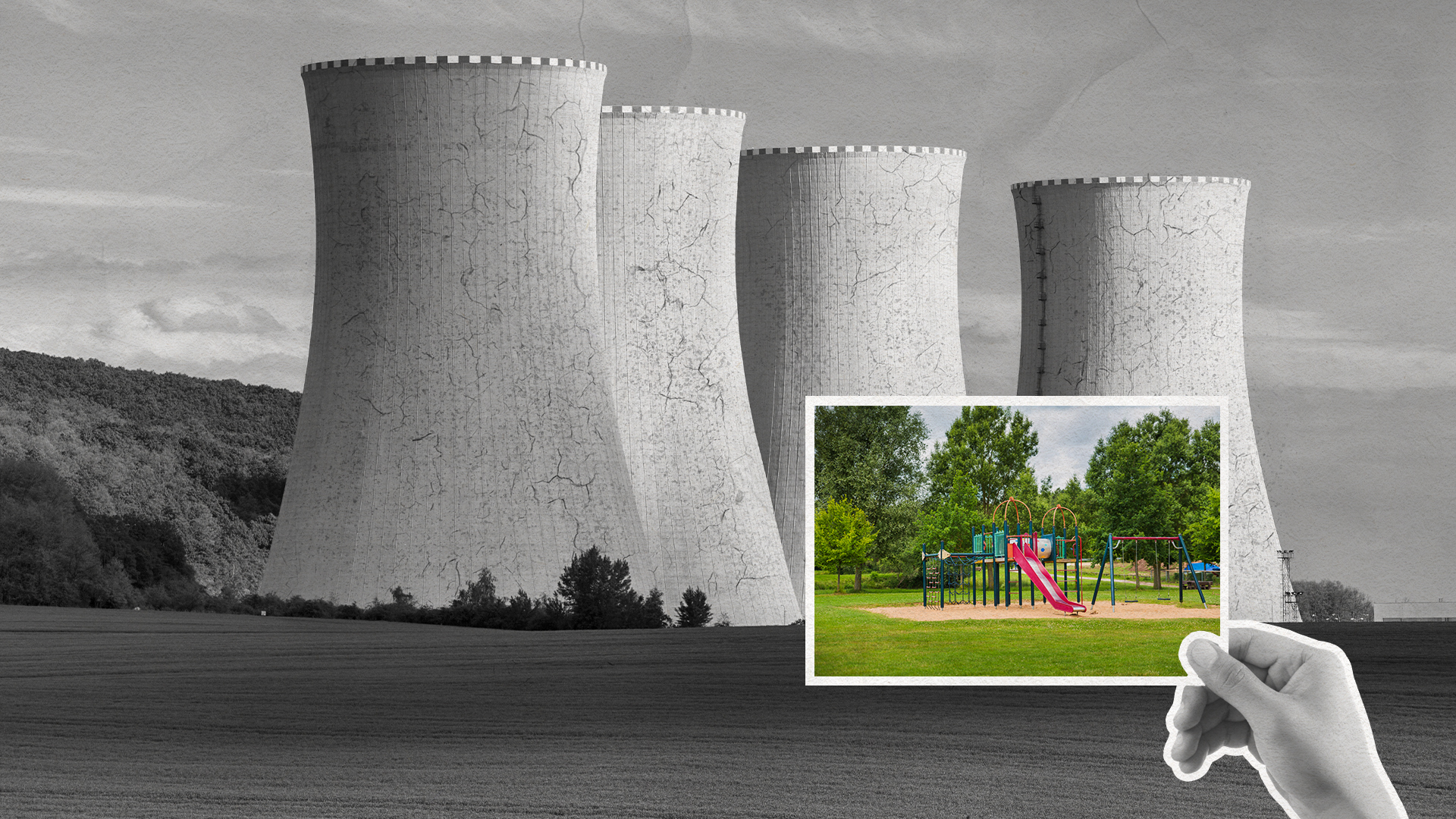
A study by Arizona State University Professor Martin Pasqualetti examines how decommissioned nuclear power plants can be repurposed. As 39 of the nation’s 72 commercial nuclear stations reach the end of their operational lives, the need for thoughtful planning regarding these sites becomes critical.
Need for Repurposing Guidance
Pasqualetti emphasizes that there is a lack of clear guidance on how to recycle former nuclear plant sites. He notes the importance of involving local planning authorities and ensuring that community stakeholders are meaningfully consulted.
Many retired plants have been transformed into parks or nature preserves, while others remain abandoned, creating challenges for surrounding communities. The professor’s research, titled “Recycling Nuclear Landscapes: The Unsettled Legacy of Power Plant Decommissioning,” highlights the potential for these sites, which are often equipped with existing infrastructure such as transportation access and electrical transmission systems.
Community Concerns
Pasqualetti points out that the decommissioning of energy facilities raises significant concerns for the public, including soil and water contamination and potential risks from residual radiation. He questions whether communities would accept land previously used for nuclear power generation for future development, particularly in rapidly growing areas like Buckeye, Arizona.
He argues that the accumulation of decommissioned power plants necessitates urgent discussions about their future use.
Surprising Findings
During his research on 30 decommissioned plants, Pasqualetti found a troubling absence of regulatory frameworks or long-term planning strategies for these sites. He noted that high-level radioactive waste is often stored on-site, leading to uncertainty about future land use. This lack of planning and guidance has created an opaque decision-making process regarding these locations.
Pasqualetti highlights a general reluctance to consider future scenarios related to nuclear power plant closures, with many people dismissing the issue as too distant to worry about. He advocates for a more proactive approach to planning, much like society is beginning to do with other types of waste.
Looking Ahead
With plants like the Palo Verde Generating Station still operational, Pasqualetti urges for immediate consideration of future implications as urban development encroaches on power plant sites. He raises questions about how proximity to such plants may affect land values and community perceptions.
To enhance the planning process, Pasqualetti suggests that establishing precise guidance for recycling nuclear power landscapes should be a priority, involving local authorities and community participation.
Source: Arizona State University