A team of researchers from Arizona State University (ASU) and international collaborators has developed a groundbreaking technique to combat per- and polyfluoroalkyl substances (PFAS), commonly known as “forever chemicals.” This approach focuses on destroying PFAS rather than merely filtering them from contaminated water.
Innovative PFAS Destruction Method
PFAS are widely used in numerous products due to their durability and resistance to degradation, which ultimately poses significant risks to human health and the environment. These chemicals are prevalent in products like Teflon, waterproof jackets, and firefighting foams, and have been found in water, soil, and even human bodies. Traditional methods for dealing with PFAS generally involve capturing them through techniques such as activated carbon and membrane filtration, which only transfer the problem elsewhere without eliminating it.
Bruce Rittmann, director of the Biodesign Swette Center for Environmental Biotechnology and lead researcher on the project, highlighted the challenges in breaking down PFAS, stating that conventional methods are inadequate. The new technique utilizes palladium-coated membranes to activate hydrogen, which helps break the carbon-fluorine bonds that make PFAS so persistent.
Mechanism of Action
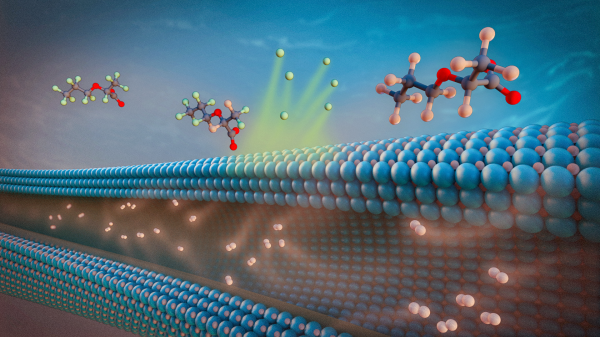
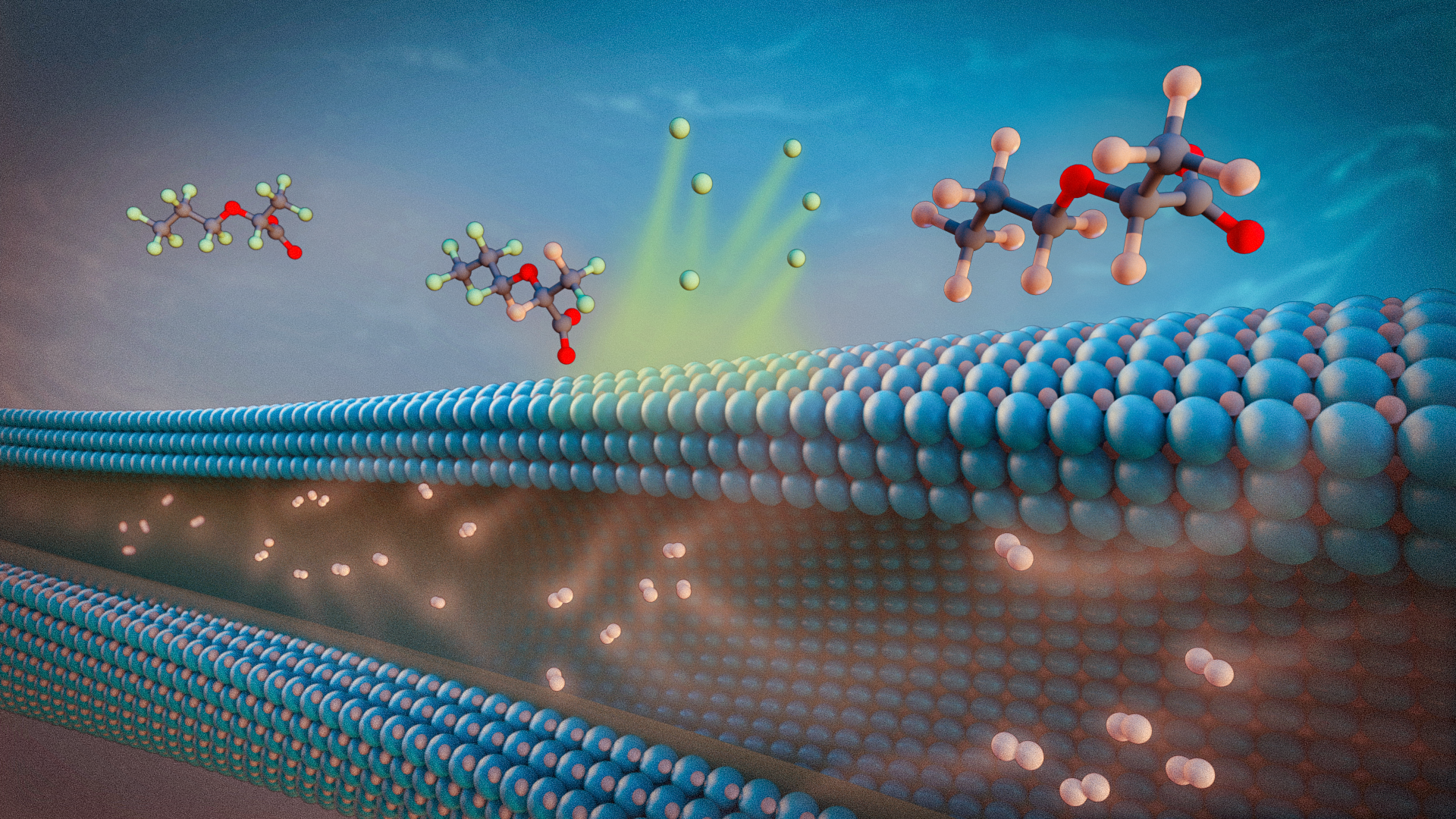
The researchers employed palladium nanoparticles as catalysts to convert hydrogen gas into a reactive form that can strip fluorine atoms from PFAS molecules. By coating tiny membrane fibers with these nanoparticles and allowing hydrogen gas to flow through, the system efficiently delivers hydrogen to the PFAS, facilitating a chemical reaction that breaks apart these stubborn compounds.
The study tested the method on six PFAS substances of regulatory concern and demonstrated its effectiveness. Rittmann noted, “We showed that this mechanism worked for all six,” emphasizing its universal applicability.
Environmental and Health Implications
PFAS contamination is a significant environmental issue, particularly near wastewater-treatment facilities, landfills, and military bases. These chemicals can accumulate in the food chain, posing health risks such as cancers, thyroid disease, and developmental problems. The research team’s findings may offer a new strategy to address the extensive PFAS pollution that has emerged as a legacy problem.
The system underwent a 58-day continuous operation test, successfully removing over 90% of each PFAS compound and approximately 83% of the fluorine overall. This indicates that the contaminants were chemically dismantled rather than simply filtered out.
Future Prospects and Challenges
While the new technology has shown promise, further engineering is needed to adapt it for practical water treatment applications. One significant challenge is the cost of palladium, which is approximately $50,000 per kilogram. Rittmann and his team are focused on reducing the amount of this costly material required for the process.
This innovative membrane technology may eventually complement existing PFAS removal systems, allowing for a two-step approach where conventional methods concentrate contaminants for subsequent destruction. Additionally, hybrid versions of the membrane that incorporate pollutant-degrading bacteria are being developed, potentially enhancing the effectiveness of PFAS breakdown.
Source: Arizona State University