NASA Glenn Research Center is advancing preparations for upcoming moonwalk simulations that will take place underwater. These simulations are designed to gather data on airflow and sound, utilizing a range of sophisticated instruments, including particle image velocimetry, hot wire anemometry, Raman spectroscopy, and phased array microphones.
Innovative Measurement Techniques
The research conducted at NASA Glenn plays a critical role in the global effort to reduce aviation noise. The data collected from these experiments helps validate theoretical models and noise prediction software used by the aviation industry.
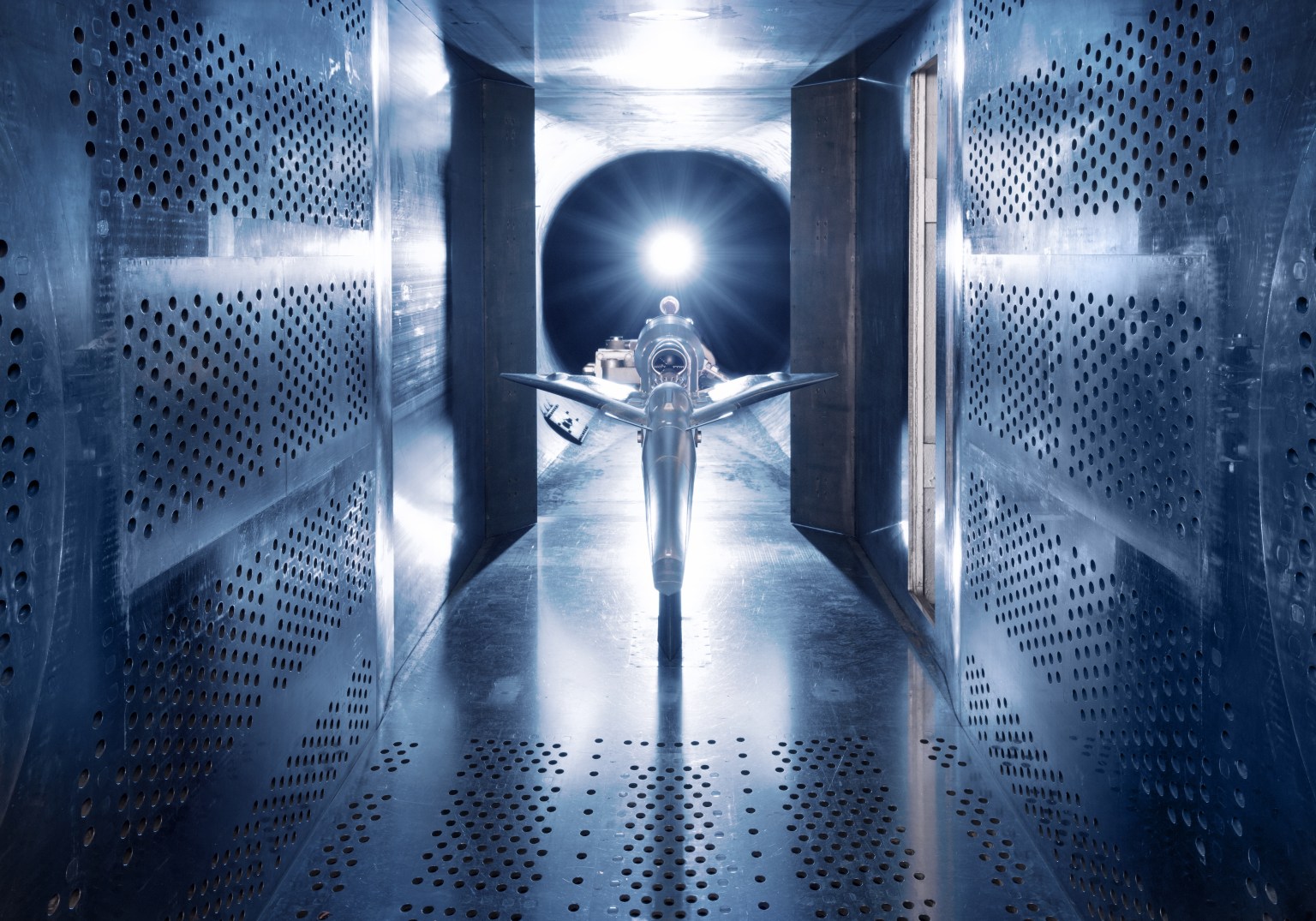
One key component of this research is the Rotating Rake Mode Measurement System (RRMS), which employs rotating microphones to capture detailed information about annoying tones from turbofan engines. Engineers may recommend solutions such as advanced liners or active noise control systems, but accurate data about the sound’s modal content is essential for effective mitigation. The RRMS, developed in the 1990s, has been instrumental in various tests, including those conducted in the Advanced Noise Control Fan Rig and the 9- by 15-Foot Low Noise Wind Tunnel.
Precision Noise Source Identification
Nasa Glenn also utilizes microphone phased arrays, which arrange microphones in one, two, or three-dimensional formats. By processing the sound measurements from these arrays, researchers can accurately identify the sources of noise. The Array48 microphone system has been used to locate noise sources in scale-model jet flows, counter-rotating open rotor fan models, and even in full-scale military engines.
Through NASA funding, a method has been developed that allows for the placement of microphones within the fan duct of an engine, enabling researchers to pinpoint noise sources on rotating blades more effectively.
Measuring Air Velocity for Noise Mitigation
Detailed air velocity measurements are crucial for understanding and mitigating noise generated by aircraft engines. NASA Glenn employs hotwire probes and Laser Doppler Velocimeters (LDV) to measure air velocity in various locations around experimental propulsors. These instruments help visualize the disturbances created by rotor interactions with stator vanes and the effects of turbulent air ingestion.
Data from hotwire and LDV measurements are routinely used to validate calculations that estimate noise from turbofan engines, contributing to the development of quieter aircraft technologies.
Source: NASA