Arizona State University researchers have highlighted the urgent need for communities to prepare for interconnected climate hazards, as outlined in a recent paper. The work emphasizes that climate risks, such as extreme heat and power delivery failures, are increasingly complex and require a collaborative approach to address effectively.
Understanding Interconnected Climate Risks
According to the research, climate hazards do not occur in isolation. For instance, extreme heat can lead to increased electricity demand while drought conditions heighten the risk of wildfires. Flooding can disrupt essential services like transportation, water systems, and local economies. These interconnected challenges pose significant threats to public health and safety, particularly in urban areas.
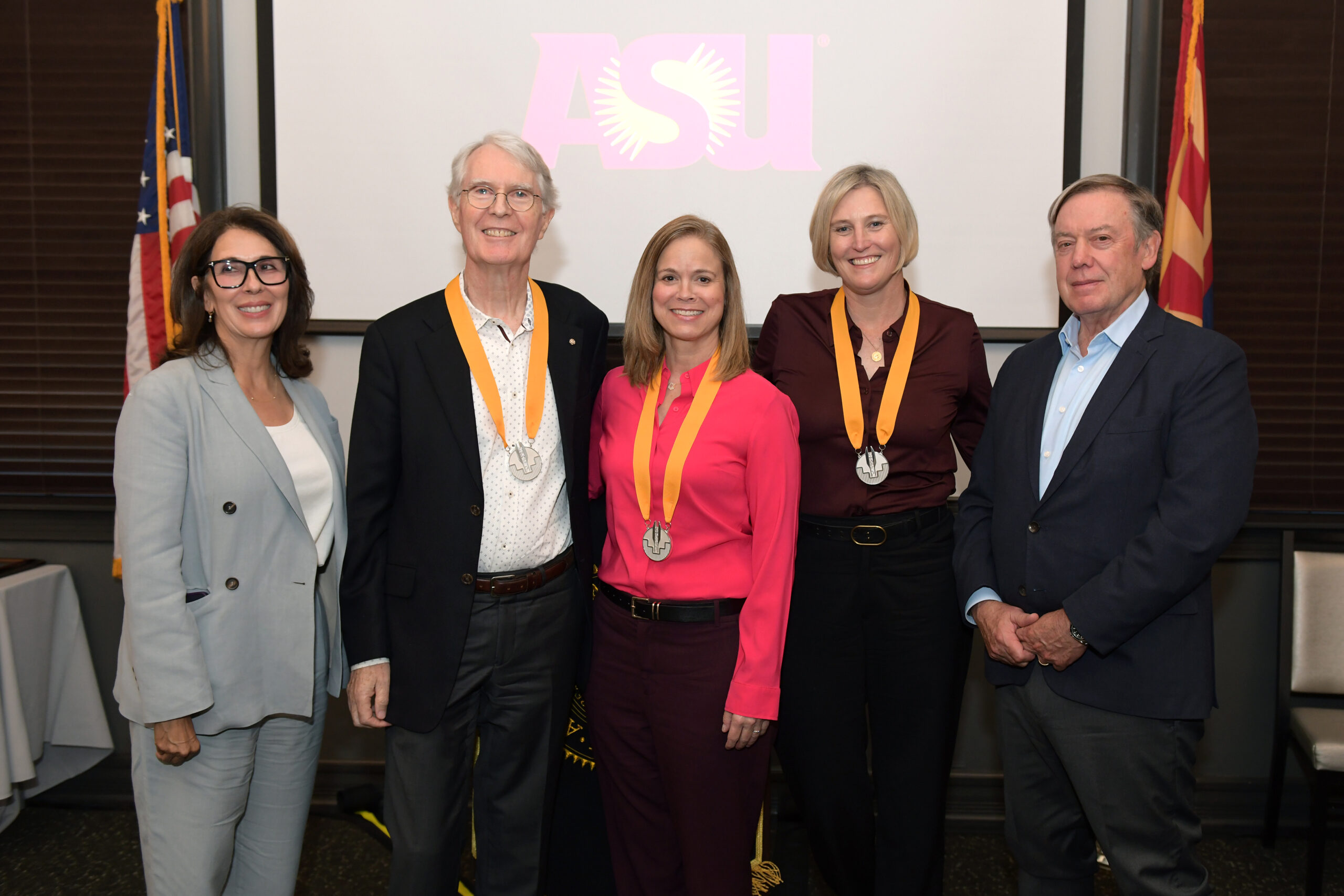
The paper, titled “Research Priorities for Robust Climate Assessments in the United States,” was authored by 175 volunteers, including three ASU professors: Nancy Grimm, David Hondula, and Abigail York. It was published in the journal Earth’s Future and calls for expedited and collaborative climate science assessments that communities can utilize to prepare for these challenges.
Key Priorities for the Southwest
The research identifies several priorities specifically for the Southwest region. It stresses the importance of understanding water supply extremes, preparing infrastructure for multiple hazards, enhancing agricultural resilience, and monitoring ecosystem changes. These areas are critical as Arizona faces increasing climate pressures.
Nancy Grimm, a Regents Professor and an expert in ecology, noted the significance of urban resilience. She remarked that cities need to consider their social, ecological, and technological systems together to develop effective responses to climate challenges.
The Importance of Climate Assessments
Grimm explained that climate assessments provide essential, up-to-date information on climate change impacts, informing a range of stakeholders—including households, businesses, and governments—on how to respond to climate risks. These assessments are designed to be accessible, facilitating informed decision-making amid rising climate threats.
She elaborated on the concepts of “compound” and “cascading” climate risks, highlighting that compound events, such as drought leading to wildfires, can pose greater risks than individual occurrences. Cascading risks, like a heatwave triggering power outages that disrupt water delivery, illustrate the interconnected nature of these challenges, particularly in urban settings.
Addressing Urban Climate Challenges
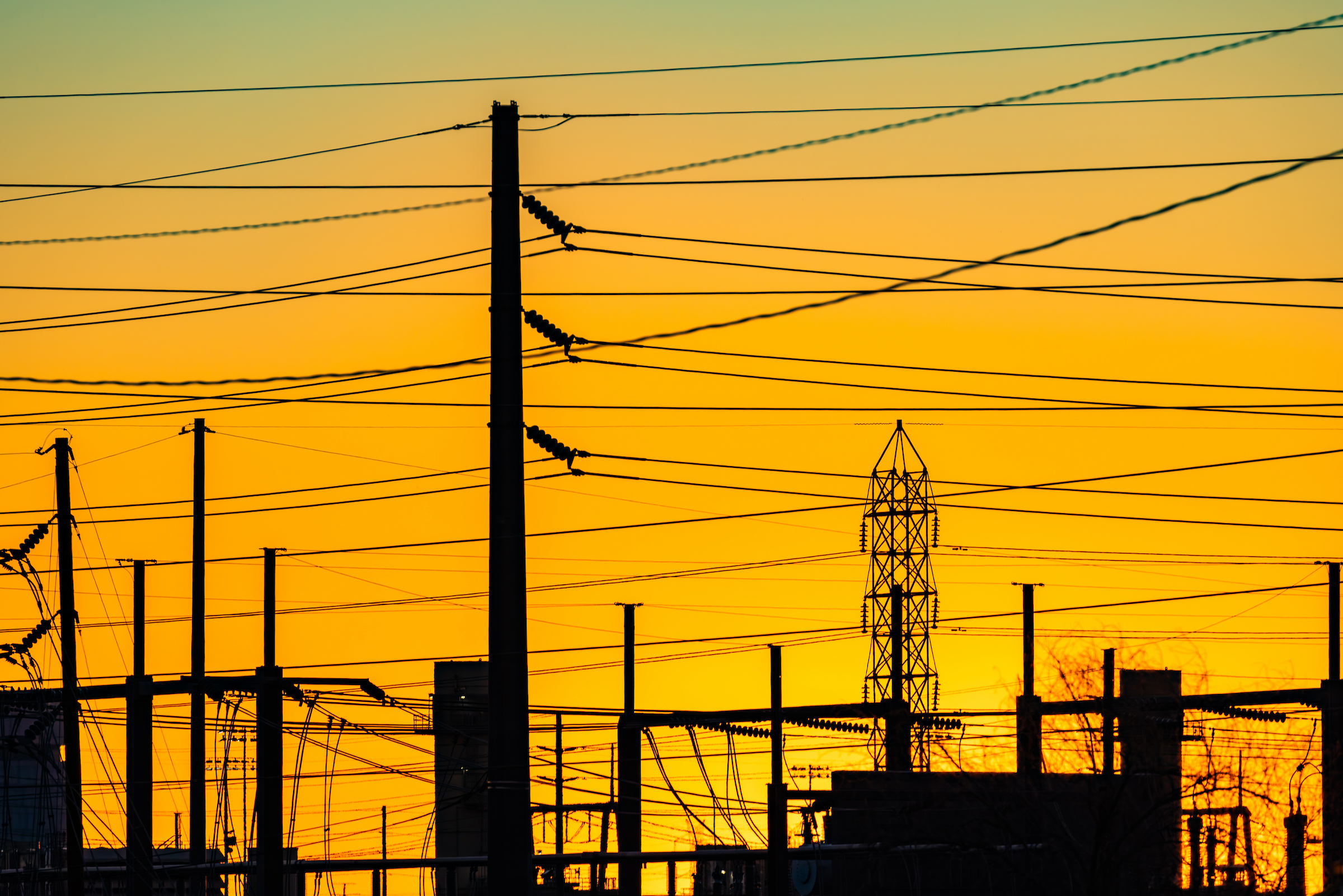
Grimm identified the cascading risk of extreme heat and power delivery as particularly urgent for urban Arizona. Initiatives in cities like Phoenix aim to bolster resilience against extreme heat through various methods, including nature-based solutions. Such approaches aim to address disparities in access to green infrastructure that can help mitigate heat effects.
She emphasized the need for cities to integrate climate vulnerability considerations into their planning processes and to adopt strategies that yield multiple benefits across different sectors. Effective monitoring of climate adaptation strategies is also crucial to ensure they are successful and do not inadvertently create new risks.
Engaging Communities in Climate Solutions
Involving local communities and Indigenous peoples in climate assessments is vital, Grimm noted. She stressed that local knowledge and experiences should inform climate adaptation strategies, and workshops can facilitate collaborative discussions among various stakeholders.
Grimm indicated that ASU’s expertise in areas such as water sustainability, urban systems, and alternative energy positions the university to play a significant role in addressing these research priorities. She urged that the findings should be incorporated into future National Climate Assessments and that localized efforts can help meet the diverse needs of communities throughout Arizona and the Southwest.
Source: Arizona State University