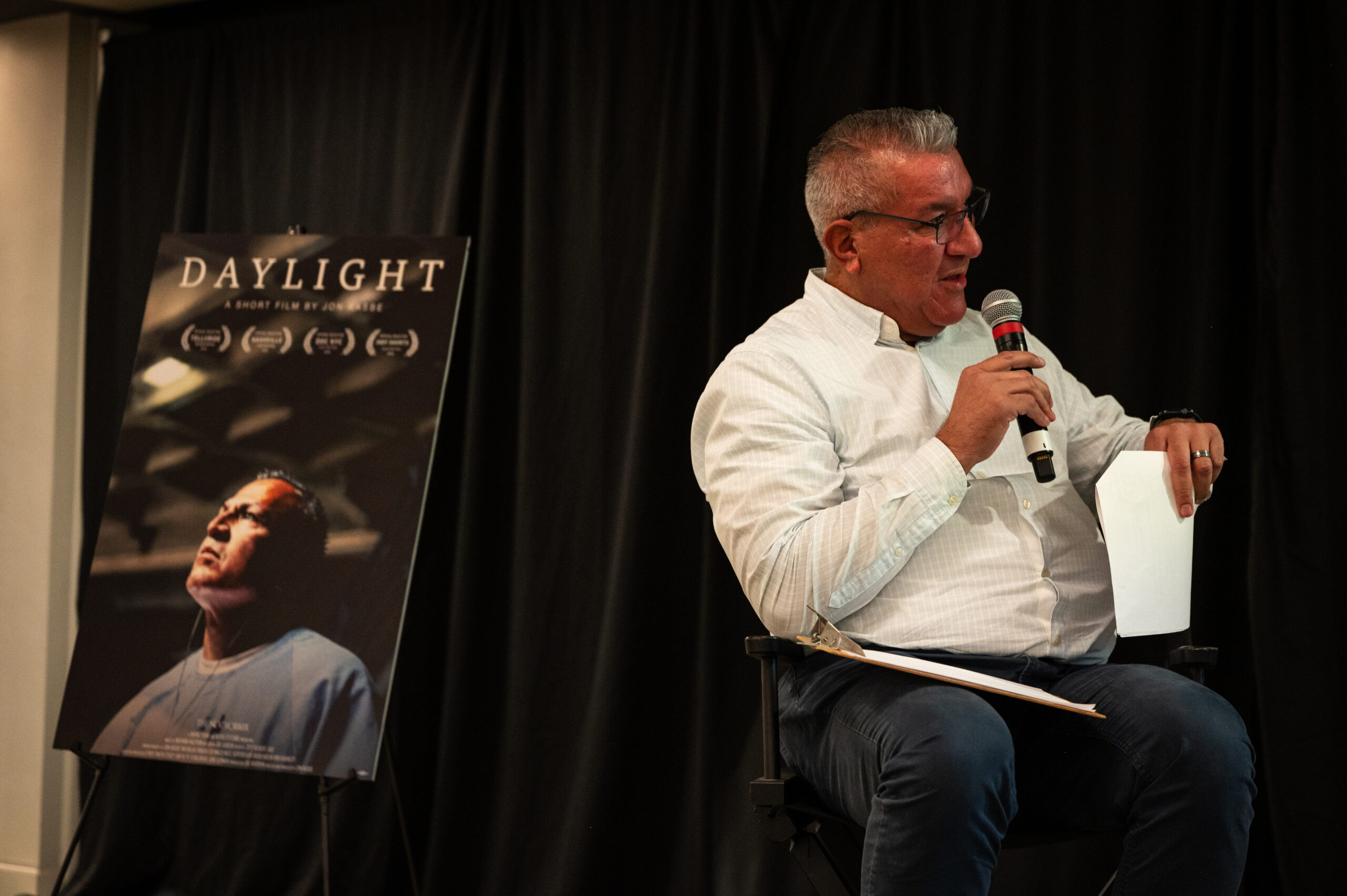
A new short film titled “Daylight,” directed by Jon Kasbe, explores the transformative power of music through the story of Joe Garcia, a former inmate who found solace in Taylor Swift’s lyrics while serving time in a California state prison. The film premiered in Los Angeles on October 13, hosted by The Sidney Poitier New American Film School.
Film’s Inspiration and Themes
“Daylight” is inspired by an essay Garcia wrote for The New Yorker in 2023, detailing how Swift’s music helped him maintain his connection to the outside world and navigate his emotions, particularly regarding his relationship with Amber, a woman he still cared for while incarcerated. Garcia humorously noted how Amber teased him about his unexpected affinity for Swift’s music despite his criminal past.
Panel Discussion and Insights
After the screening, Garcia participated remotely in a panel discussion moderated by Richard Ray Pérez, a faculty member at the film school. He expressed his hope that the film would encourage discussions about personal transformation and second chances. The event was organized by the Amity Foundation, which focuses on supporting justice-involved individuals in their recovery and reintegration.
Dominique Tanks, a community liaison with Amity Foundation, emphasized the importance of hearing lived experiences, stating that these perspectives can challenge misconceptions and inspire meaningful conversations about the criminal justice system.
Community Engagement
Other panelists included Domonique Perkins, founder of People Pottery’s Project, and Allen Burnett, co-founder of Prism Way. Doug Bond, president and CEO of Amity Foundation, opened the event, highlighting its significance in fostering community dialogue.
Kasbe reflected on the importance of storytelling and community, expressing gratitude for the opportunity to discuss the film alongside Garcia. The screening took place at the Toshizo Watanabe Culinary Cultural Center, which features serene views of the James Irvine Japanese Garden, complementing the film’s themes of reflection and personal growth.
Building Community Through the Arts
Peter Murrieta, deputy director of the Poitier Film School, remarked on how events like this promote community building among students, filmmakers, and cultural institutions. He emphasized that the aim of their programming is to create inclusive spaces that serve the community of Los Angeles.
Pérez highlighted how “Daylight” presents the humanity of incarcerated individuals, moving away from common stereotypes in media. The film features a poignant moment where inmates unite in song, proclaiming, “It’s never too late to change!”
Source: Arizona State University