Scottsdale City Council has agreed to advance various initiatives aimed at improving water conservation and supply efficiency in light of potential reductions from the Colorado River. The discussions took place during an Oct. 20 study session where city water officials presented a range of options for enhancing the city’s water strategy.
Addressing Water Supply Challenges
City staff and consultants outlined several proposals, from immediate upgrades to the distribution system to significant investments in advanced water purification technologies. The options presented included an analysis of the volume of water each alternative could provide, the timeline for availability, and associated costs.
Scottsdale Water staff highlighted a potential 17% decrease in the city’s allocation from the Central Arizona Project (CAP) for 2027 if a proposed agreement for the Lower Basin is finalized. This reduction is expected to allow Scottsdale to maintain operations, as it would still have more CAP water than it delivered in 2025. The city delivered approximately 82,600 acre-feet of drinking water in 2025, with total deliveries, including reclaimed water, reaching about 90,800 acre-feet.
Utilizing Available Resources
Proposals for immediate action include enhancing the ability to transport Salt River Project water during peak demand periods in the summer. Consultants identified improvements that would increase the effectiveness of existing water supplies while allowing for future flexibility.
Additionally, Scottsdale is exploring the recovery of water from city-owned land in the Harquahala Valley as a short-term supply option. Plans for a sixth wastewater pump-back station near Indian Bend and Hayden roads could facilitate the return of an additional 4 million gallons of wastewater daily for treatment and reuse.
Exploring Advanced Treatment Options
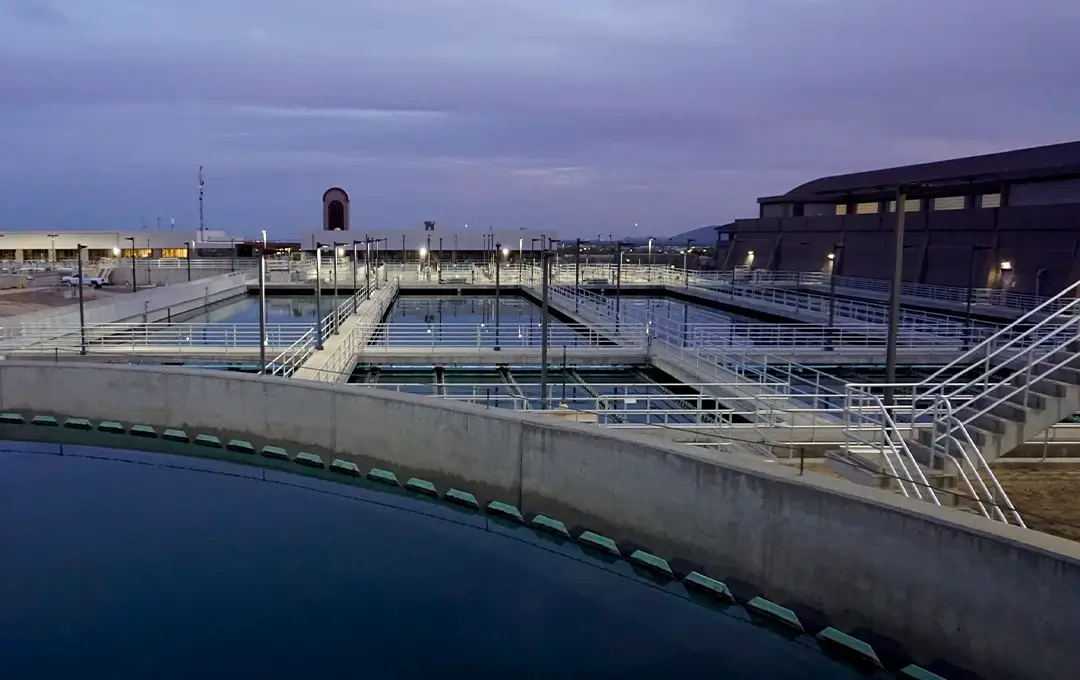
Advanced water purification was also discussed, which would enable the city to convert treated recycled water into drinking water in compliance with state regulations. Various configurations were evaluated, with the potential for increased production linked to enhanced wastewater collection systems. The estimated capital costs for two purification options without the new pump-back station range from about $133 million to $164 million, with annual operating costs estimated between $6.3 million and $7.3 million.
City Manager Greg Caton noted that the analysis aims to provide the council with a better understanding of costs and options before proceeding.
Focus on Conservation and Community Engagement
City staff also reviewed ongoing conservation efforts, including outdoor efficiency checks, rebates for irrigation upgrades, and leak detection support. Currently, about 75% of customers utilize advanced meters that provide hourly water usage data through the city’s WaterSmart portal, allowing residents to monitor their consumption and detect leaks.
Scottsdale is assessing additional conservation strategies and planning public engagement sessions this winter, with an updated drought management plan expected to be presented to the council for approval in spring 2027. The city remains in Stage 1 of its current drought plan.
For long-term water supply solutions, Scottsdale is involved in an expansion study of the Bartlett Dam, which is projected to start construction in 2035 and be completed by 2045.
Next Steps for Water Projects
The council has expressed support for the proposed projects, which will be included in future funding considerations. City staff will move forward with project planning, regulatory requirements, and community input on conservation measures.
Source: City of Scottsdale