Arizona State University’s AI and Multilingualism Lab is working to develop ethical and culturally sensitive AI language learning tools to better serve multilingual communities. The lab aims to address gaps in resources for underrepresented languages, particularly Indigenous languages like Quechua, which often lack adequate computational support.
Bridging the Linguistic Divide
Olga Kellert, an associate professor at ASU’s School of International Letters and Cultures, leads a project focused on improving health communication for Spanish-Quechua speakers in Ecuador and Peru. This initiative, originally funded by the German Research Foundation, investigates how bilingual populations navigate health information, especially during the COVID-19 pandemic.
Kellert notes that many existing digital language tools are designed for a limited number of dominant languages, which does not accommodate the complexities of bilingual communication.
Real-World Language Applications
Instead of relying on textbook language, Kellert’s team gathers real conversational data from classrooms and community interactions. This approach reflects the reality of language learning, which is often messy and dynamic.
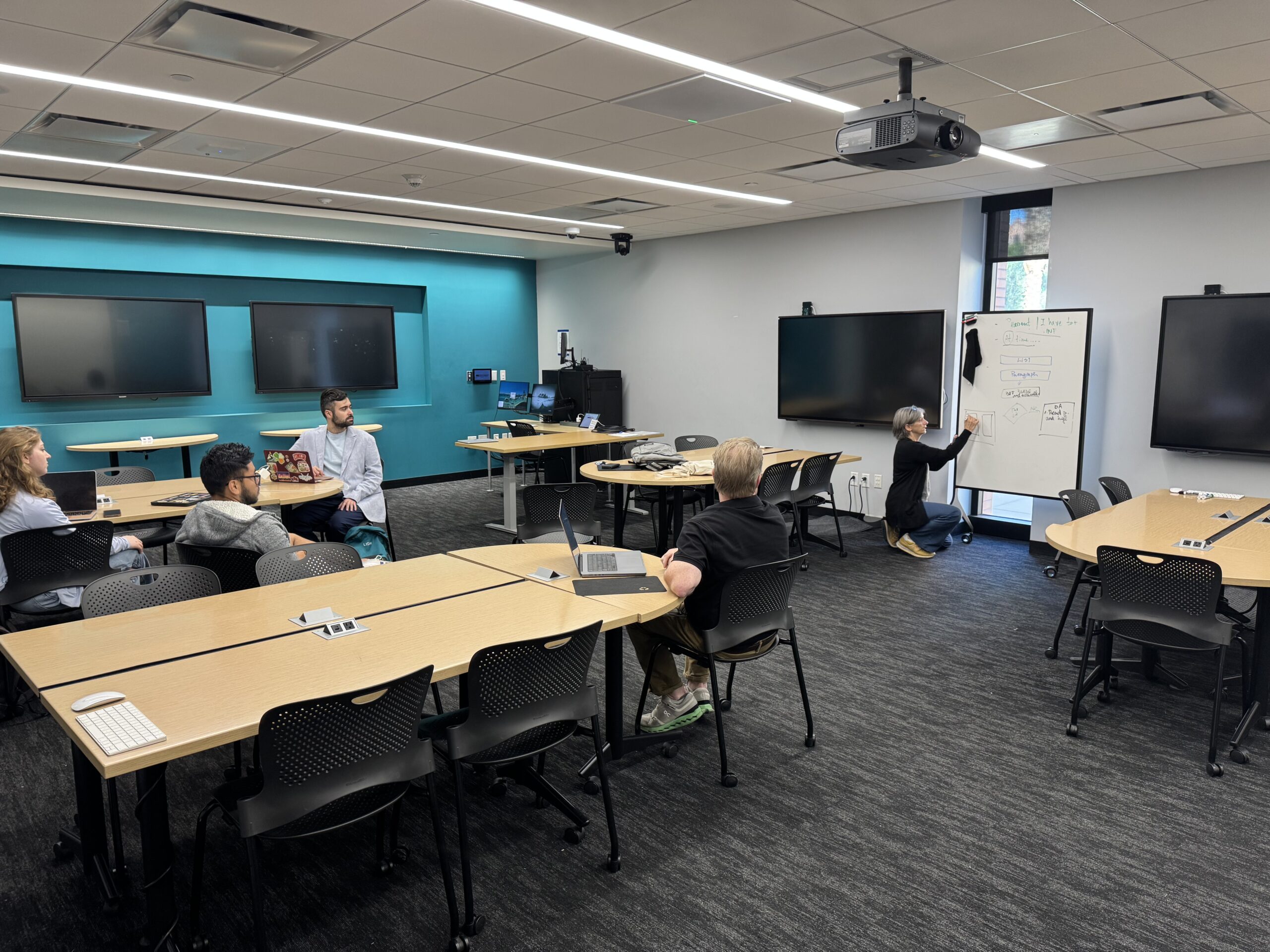
The interdisciplinary nature of the lab involves collaboration with the School of Computing and Augmented Intelligence, where students engage in various stages of research, including data collection and computational analysis. This hands-on experience is designed to merge the humanities with technology, demonstrating that students do not have to choose one over the other.
Innovative Research and Collaboration
Marta Tecedor Cabrero, the lab’s director, highlights the importance of critical thinking about AI’s role in multilingual contexts. She notes that language is integral to human knowledge, and experts in the humanities have a significant role in shaping the understanding of AI technology. The lab’s research covers a wide array of topics, from ancient poetry analysis to immigration law studies in Latin America.
One of the lab’s notable projects is Language Buddy, an AI conversation partner integrated into the university’s learning platform, Canvas. This tool has been tested in multiple Spanish 101 classes, allowing students to interact with the AI in over 800 conversations. Tecedor’s research indicates that students who practice with human partners may feel more comfortable using AI tools later, reflecting a more realistic understanding of AI’s capabilities.
AI and the Future of Education
Tecedor addresses concerns about AI replacing human educators, drawing parallels to historical changes in education brought about by the printing press. She believes that, much like in the past, teachers will continue to play a crucial role in learning. “Learning is an inherently social activity,” she noted.
The lab is also looking to involve undergraduate researchers through various programs, fostering collaboration between students and faculty. “Facilitating student-faculty collaborations is one of the main goals of the lab,” Tecedor said, indicating that students can participate in research and present at conferences while contributing to academic publications.
Source: Arizona State University