NASA’s Neutron star Interior Composition Explorer (NICER) telescope has concluded its science operations after six and a half years of studying the universe aboard the International Space Station (ISS). The mission team is now focused on finalizing an eight-year archive of X-ray observations and preparing to decommission the telescope.
Investigation of Mechanical Issues
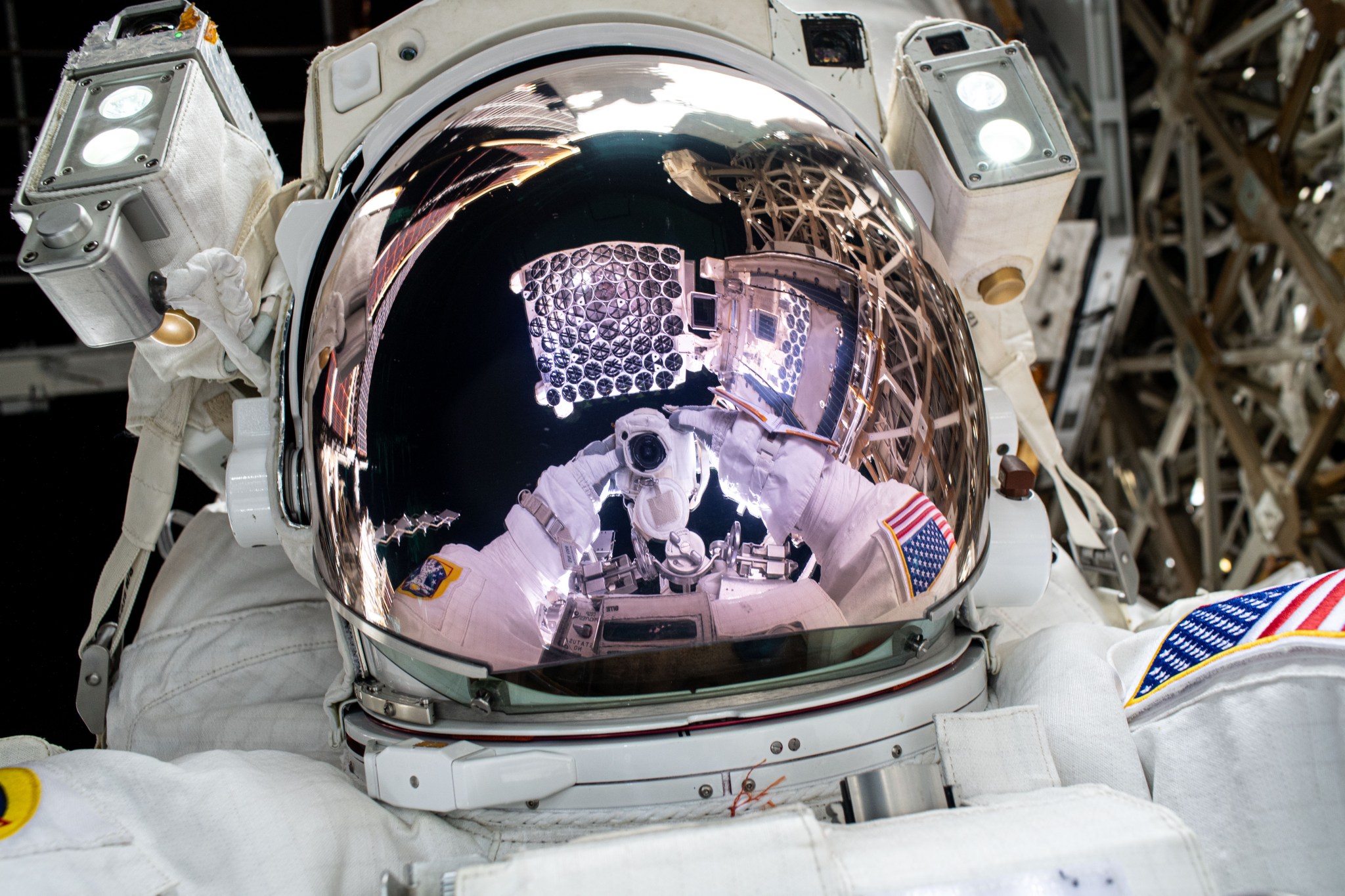
In June 2025, NICER experienced a significant operational limitation when it could no longer swivel side-to-side, hindering its ability to track cosmic objects. Although data collection was paused to assess the problem, investigations indicated that an internal motor failure might be the cause. Photos taken by robotic cameras on the ISS helped rule out external factors.
Initially launched in 2017 for an 18-month prime mission, NICER has since made substantial contributions to astrophysics, including groundbreaking measurements of neutron stars and advancements in the understanding of black holes and active galaxies. The telescope also demonstrated a new method of spacecraft navigation using pulsars, which has potential applications for future missions to Mars and beyond.
Operational Challenges and Repairs
Prior to the telescope’s final operations, NICER faced various challenges, including a “light leak” that was identified in May 2023. This issue allowed unwanted sunlight to interfere with daytime observations, while nighttime data collection remained unaffected. Engineers implemented repairs during a spacewalk in January 2025, allowing NICER to improve its daytime observational capabilities by covering damaged thermal shields.
Despite these repairs, the telescope continued to experience more sunlight interference than anticipated. The team worked to minimize this impact, focusing on gathering data that could lead to further improvements in NICER’s observational capabilities.
Legacy of NICER’s Discoveries
Throughout its operational period, more than 300 scientific papers have utilized NICER’s observations, underscoring its importance in modern astrophysics. The technology developed for NICER is also being adapted for use in various applications on Earth, such as portable CT scanners and materials analysis systems, demonstrating the mission’s broader impact beyond space exploration.
Source: NASA