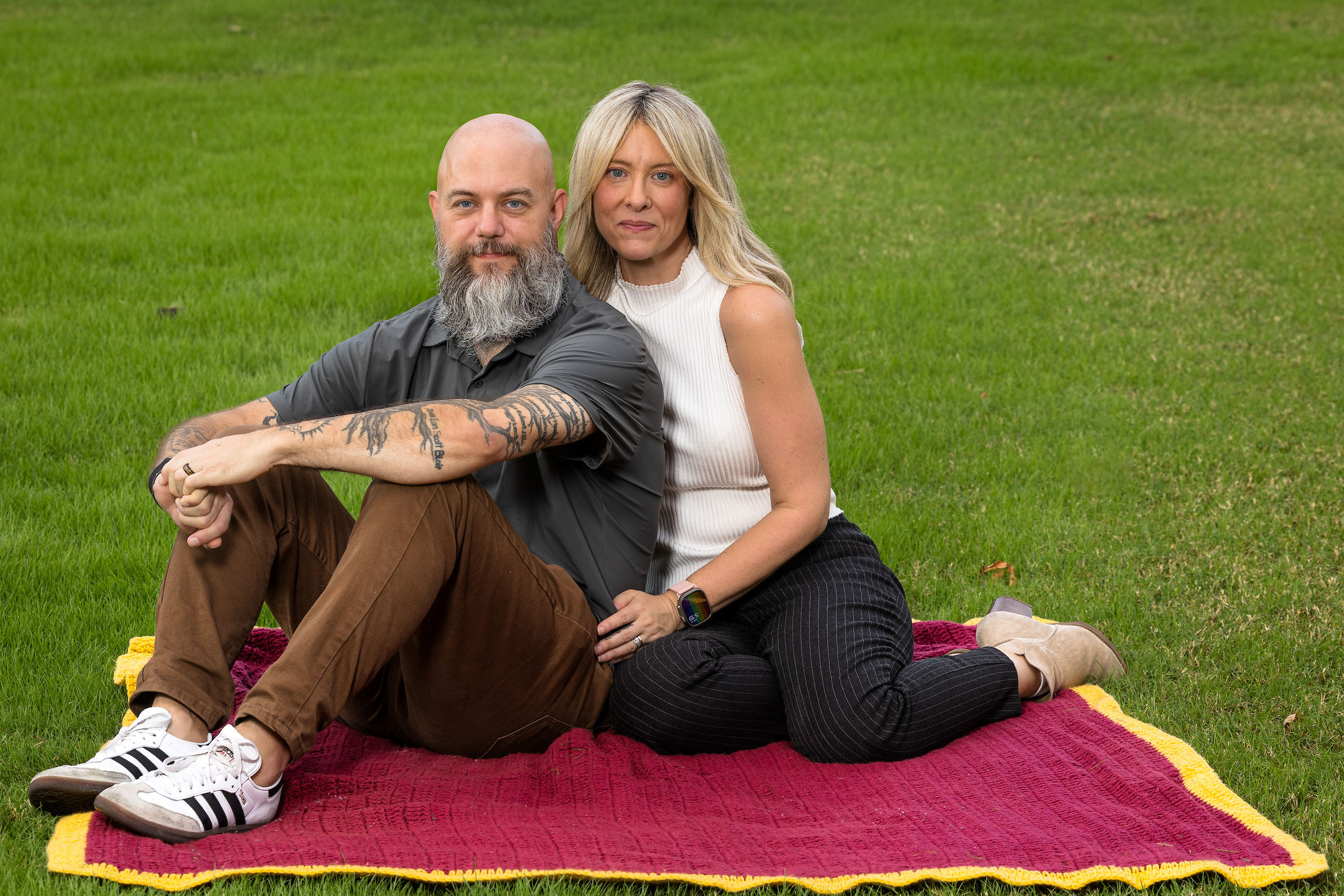
ASU alumnus Jack Blair, alongside his wife Jennie and fellow veterans, has created a documentary titled “This Is Not a Draft,” which explores themes of service, sacrifice, and the aftermath of war. The film will debut at Arizona State University as part of the Salute to Service celebration, taking place from November 6 to 16.
Documentary Focuses on Veteran Experiences
The award-winning documentary features the stories of 10 post-9/11 veterans, shedding light on their motivations for serving, the costs of their service, and their journeys afterward. Jack Blair, who lost his 5-year-old son Ian, found that making this film helped him cope with his grief. He emphasized the importance of community in the healing process, stating, “We need our community together.”
The screenings are set for November 3 at the Media and Immersive eXperience (MIX) Center in Mesa and November 5 at the Marston Exploration Theater on ASU’s Tempe campus. The event is co-sponsored by the Center for the Study of Race and Democracy and the Pat Tillman Veterans Center, connecting the documentary back to the community that supported Blair’s storytelling journey.
Jack Blair’s Journey to Filmmaking
Before becoming a filmmaker, Jack served in the Navy and later in the Army Reserve. His military experience influenced his work, and he began exploring filmmaking while studying at ASU. After struggling with depression and loss, he found purpose in sharing veterans’ stories, leading to the formation of the “Veteran Stories Podcast” and eventually the documentary.
Jack’s wife, Jennie, played a crucial role in his journey, providing support during difficult times and even assisting in the production of the documentary. She highlighted the importance of recognizing her own ambitions while supporting her husband, noting that their experiences have been transformative for both of them.
Community and Healing Through Film
The documentary showcases the power of storytelling in fostering understanding and connection among veterans. With a production crew comprised entirely of veterans, Blair aimed to create a safe space for sharing personal experiences. He found that the interviews not only shaped the film but also deepened his understanding of the complexities surrounding veteran experiences, including the issues of suicide and mental health.
One impactful moment in the film comes from an interview with veteran Melvin Cruz, whose story highlights the ongoing struggles faced by many veterans. These narratives serve to emphasize the film’s overarching message about the necessity of community and connection in healing.
Source: Arizona State University