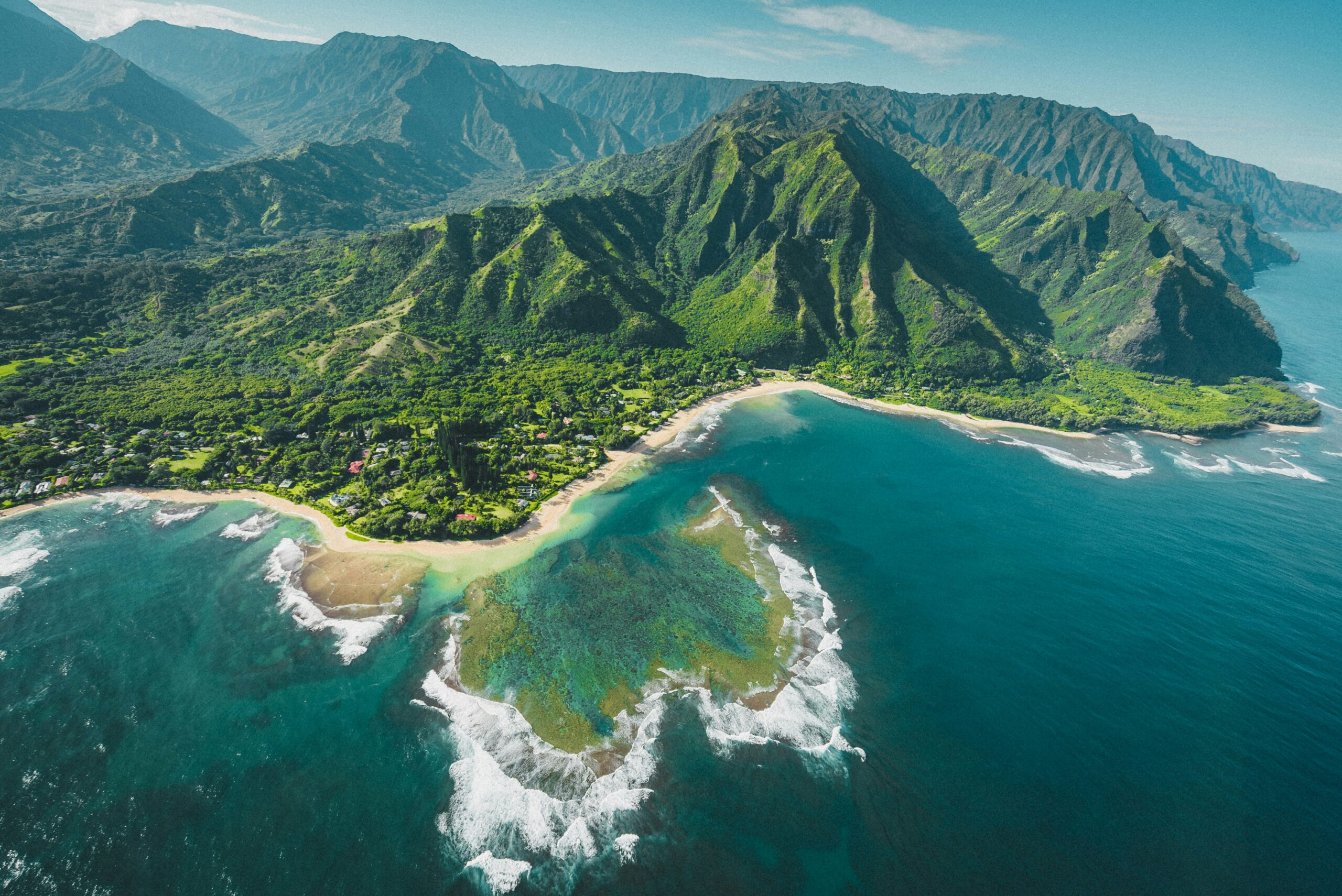
A recent study from Arizona State University researchers has revealed new insights into how groundwater in Hawai‘i connects the islands’ drinking water, streams, and coastal reefs. The research sheds light on the movement of underground water from the high elevations of the islands to their coastlines, a process that plays a crucial role in the region’s ecology.
Understanding Groundwater Movement
The study, published in the journal Hydrological Processes, was led by Jasper Oshun and Gregory P. Asner from the Center for Global Discovery and Conservation Science, along with David Dralle from the U.S. Forest Service Pacific Southwest Research Station. It addresses the previously unclear pathways of groundwater as it transitions from rainfall to submarine discharge.
Oshun emphasized the significance of this research for Hawai‘i, stating that the islands rely solely on the rain that falls to meet their water needs. Unlike regions with access to external water sources, Hawai‘i’s water supply is entirely dependent on local precipitation.
Groundwater’s Role in Ecosystems
Hawai‘i’s volcanic landscape plays a key role in this groundwater movement, as rainwater seeps through the porous basalt rock, creating a network of underground channels that direct freshwater toward the ocean. This groundwater is vital not only for drinking water but also for transporting essential nutrients to coastal ecosystems.
However, the same pathways that facilitate the movement of freshwater can also lead to the transport of pollutants, including nitrogen and pesticides, which pose risks to marine life, particularly coral reefs. Asner noted that excess nitrogen can contribute to harmful algal blooms that can smother coral populations.
Advancements in Groundwater Research
The researchers developed a more effective method to estimate daily groundwater leakage across multiple watersheds, moving beyond previous methods that could only assess leakage over longer periods and at single locations. They highlighted that groundwater flow is variable, affected by weather patterns and landscape features.
Dralle pointed out observable effects, such as the cold freshwater layer that can be found just below the surface of warmer ocean water off the coast of Hilo. This phenomenon illustrates the dynamic interaction between groundwater and coastal marine environments.
Future Research Directions
Despite the advancements made in understanding groundwater dynamics, the researchers acknowledged that further investigation is needed to pinpoint where and how much groundwater emerges along Hawai‘i’s coast. Asner noted that understanding the distribution of groundwater discharge is essential for identifying potential contamination risks.
Source: Arizona State University