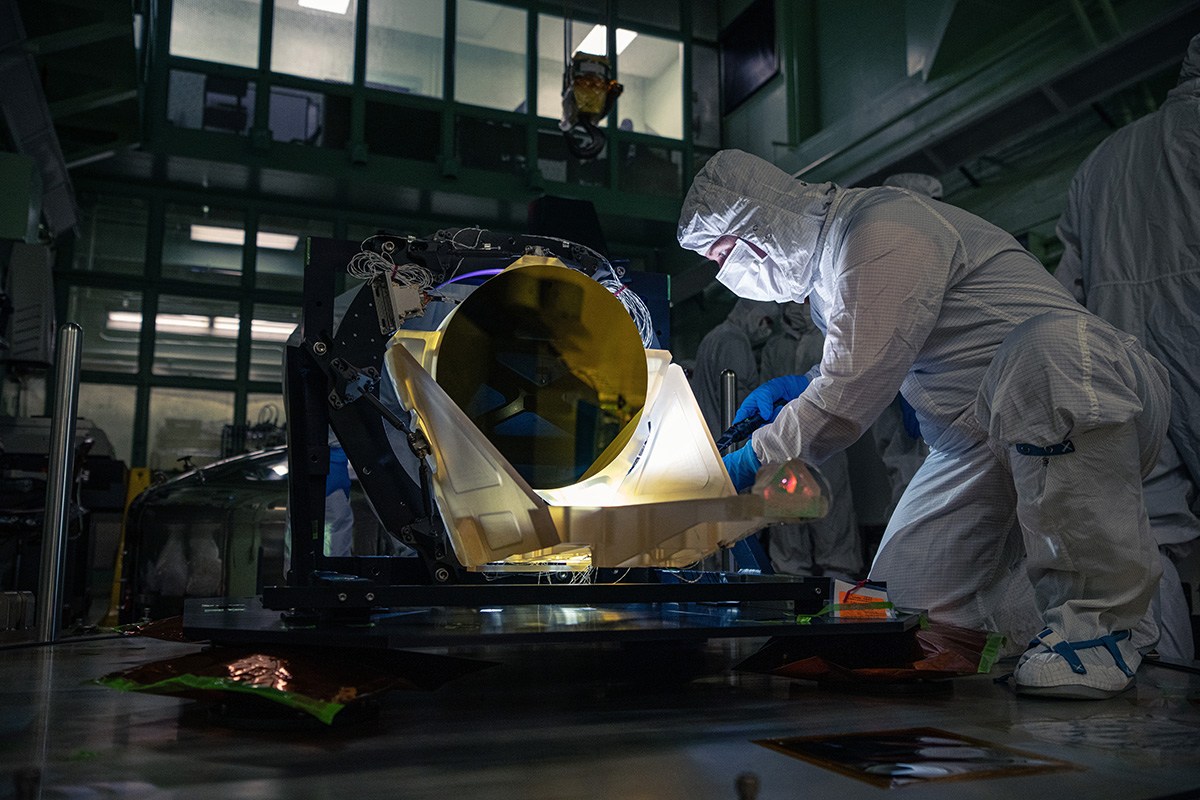
NASA is making strides in the development of a new all-glass telescope for the LISA (Laser Interferometer Space Antenna) mission, aimed at detecting gravitational waves, as part of a collaboration with the European Space Agency (ESA).
Engineering Test Unit Development
L3Harris Technologies has been tasked with designing, assembling, and integrating this new telescope, known as the Engineering Test Unit. This marks a crucial step toward the eventual production of flight hardware for the mission, which is slated for launch in the mid-2030s.
The LISA mission will deploy three satellites into an Earth-following orbit, forming a triangular array with sides measuring 1.6 million miles (2.5 million kilometers). Each satellite will be equipped with two telescopes that utilize infrared laser beams to measure minute changes in their relative distances as they detect passing gravitational waves.
Scientific Goals and Innovations
Ira Thorpe, NASA’s project scientist for LISA, emphasized the mission’s potential, stating that it will provide insights into previously undetected low-frequency gravitational waves. He noted that LISA could help identify mergers of massive black holes and map various stellar phenomena within our galaxy.
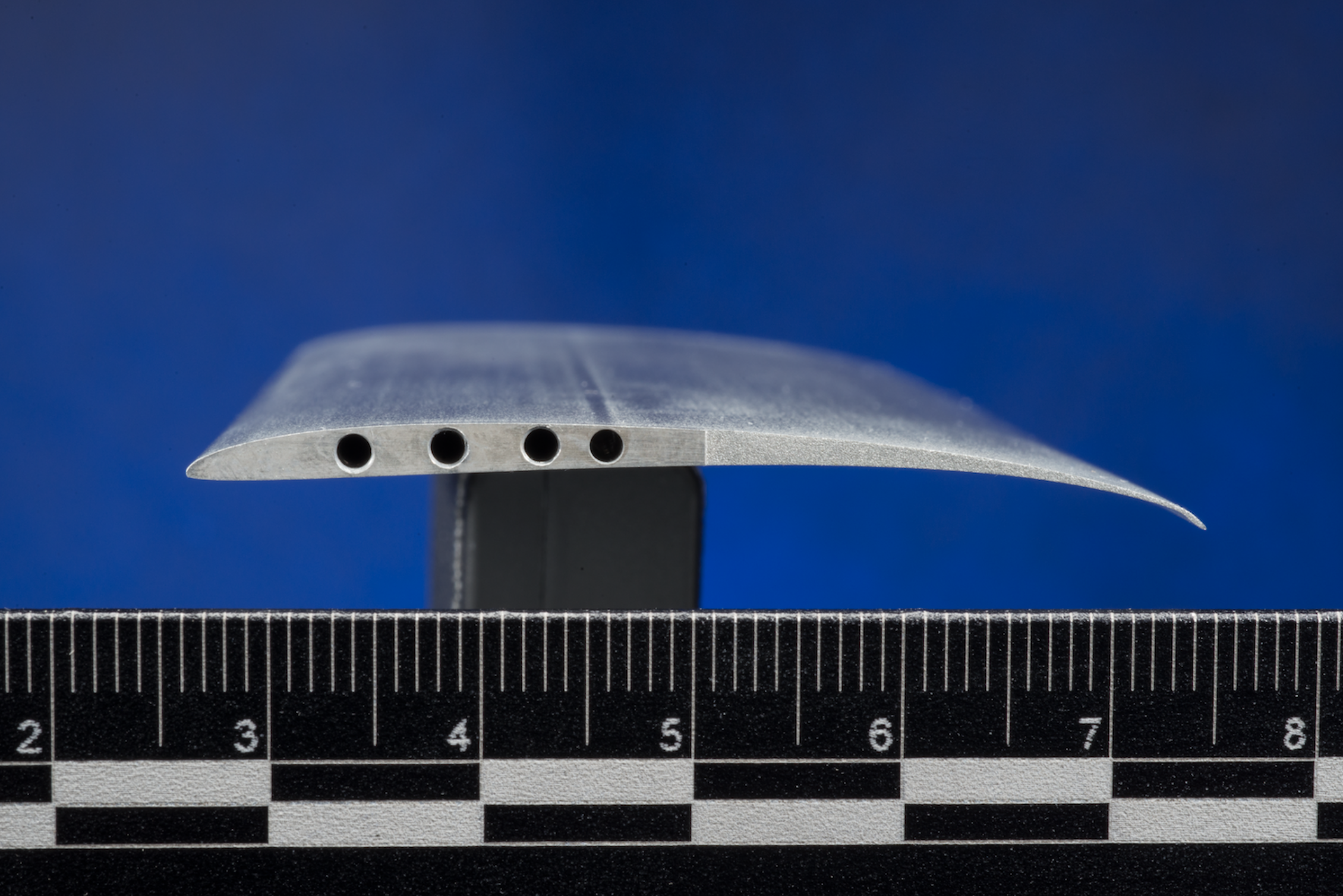
The telescopes will be constructed from a ceramic-glass composite called Zerodur, known for its stability across temperature variations, essential for high-precision measurements. A prototype telescope was delivered to NASA in 2024, serving as an engineering development unit for this project.
Technological Advancements
Ritva Keski-Kuha, who leads the LISA Telescope program at NASA Goddard, explained that the prototype underwent extensive testing, and lessons learned will be applied to the new telescope. Earlier in the year, a structural model made of metal was delivered to ESA, marking significant milestones in the project.
Gravitational waves, predicted by Albert Einstein in 1916, were first detected in 2015. They occur when massive objects, such as binary stars, accelerate, creating ripples in space-time that can traverse the universe unaffected by other matter. These unique properties make gravitational waves a powerful tool for cosmic exploration.
Additional NASA Contributions
In addition to the telescope, NASA will contribute a range of hardware, including a laser system and devices to manage electric charge on the proof masses used in the LISA satellites. Past missions, like the 2016 LISA Pathfinder, established the feasibility of detecting gravitational waves by demonstrating the ability to minimize non-gravitational forces on the proof masses, which are key components in the detection process.
The LISA mission is expected to enhance our understanding of the universe, paving the way for groundbreaking discoveries in astrophysics.
Source: NASA