A variety of astronomical events will take place in November, including meteor showers, planetary alignments, and a supermoon, according to NASA. Skywatchers can look forward to the Southern and Northern Taurids, the Leonids, and a significant milestone for the Voyager 1 spacecraft.
Meteor Showers
The Southern Taurids will peak around November 5, featuring occasional bright fireballs. Following this, the Northern Taurids are expected to peak around November 12, with ideal conditions yielding about five meteors per hour. For the best experience, observers should find a dark location, allow their eyes to adjust, and take in as much of the sky as possible.
On the mornings of November 17 and 18, the Leonids meteor shower will occur after moonset, potentially producing up to 15 meteors per hour under optimal conditions.
Planetary Alignments
On November 15 and 16, Mars and Jupiter will be visible in the southeast before sunrise, appearing only 1.2 degrees apart. Jupiter will shine brighter, while reddish Mars will be nearby. Observers can watch the planets over several mornings as they move closer together before separating again.
Voyager 1 Milestone and Supermoon
In addition to these events, NASA’s Voyager 1 spacecraft will reach a historic milestone on November 17, becoming the first human-made object to travel one light-day from Earth. This means a light signal takes 24 hours to reach Voyager 1, with another 24 hours required for a response. Observers can look towards the constellation Ophiuchus to imagine Voyager 1’s location.
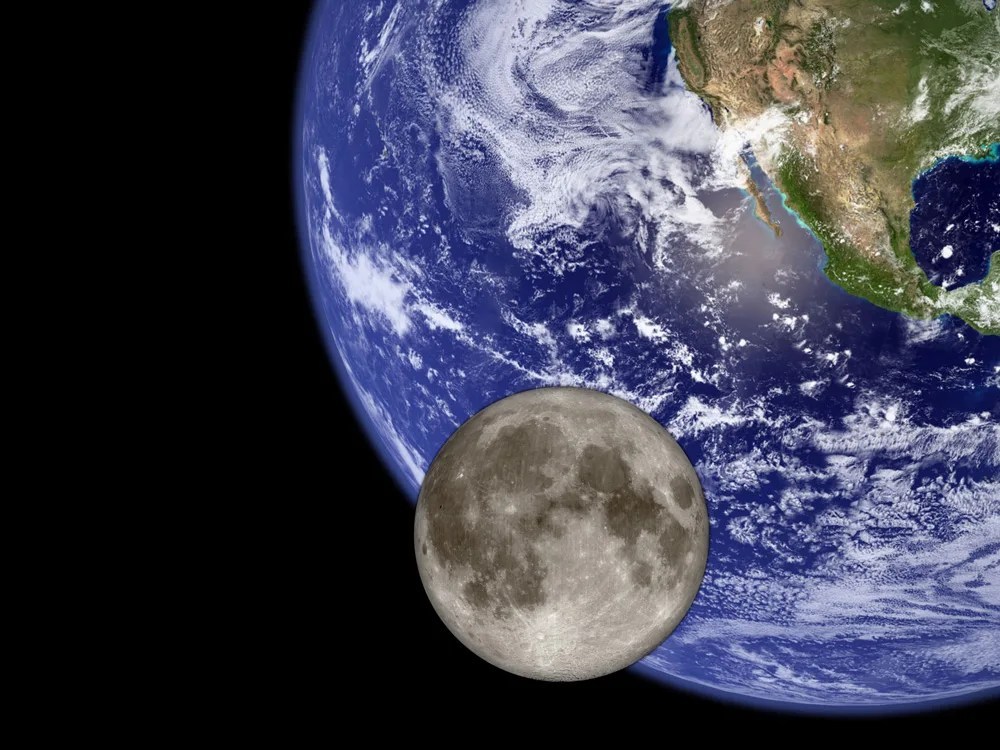
A celebratory event, “Shine Bright for Voyager’s Light-Day activation,” is planned for the same day. November will also showcase a supermoon on the 24th, marking the first of three consecutive supermoons. As the full Moon rises in the east around sunset, viewers may notice it appearing larger near the horizon due to the Moon illusion.
NASA continues to encourage public engagement with these astronomical events through its Night Sky Network, which connects amateur astronomy clubs across the country.
Source: NASA