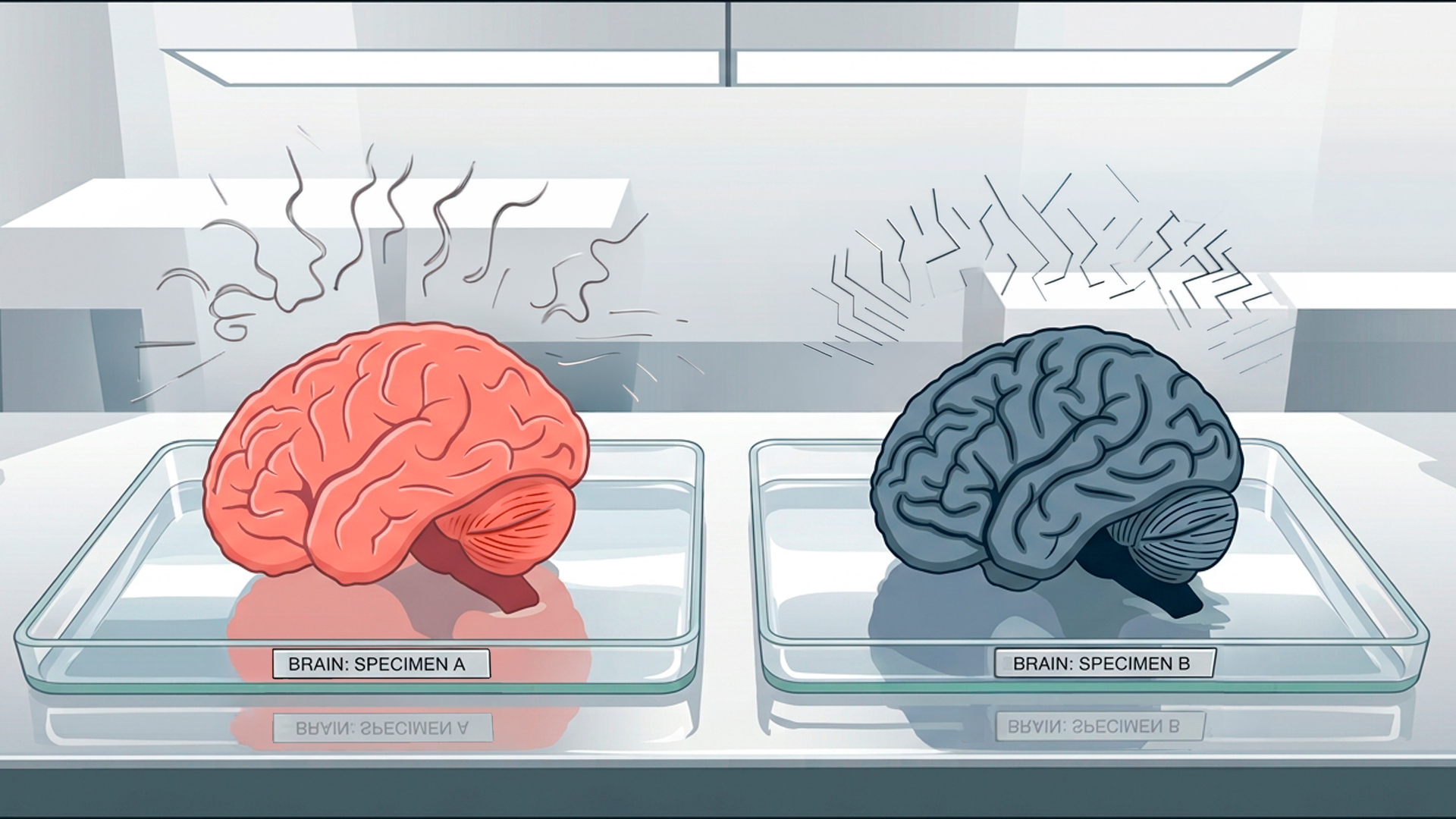
Researchers at Arizona State University have found that male and female brains respond differently to traumatic brain injury (TBI) by activating distinct hormone networks. Their study, published in Science Advances, sheds light on how hormonal changes and gene activity vary between sexes following such injuries.
Understanding Hormonal Differences
After a traumatic brain injury, the body undergoes significant stress, activating immune responses and altering hormone levels in the blood to prioritize healing. The brain’s response is crucial, as it manages these safety processes. The research team, led by Sarah Stabenfeldt and Christopher Plaisier, found that the biological pathways activated in males and females during TBI differ, impacting recovery outcomes.
Stabenfeldt, who holds a prominent position in biomedical engineering, emphasized the importance of mapping these pathways to enhance therapeutic development.
Complex Biological Networks
The researchers noted that hormones are interconnected with various biological systems, meaning that sex-based differences significantly influence overall health and responses to injury. Stabenfeldt pointed out that the effects of TBI extend beyond the immediate aftermath, with secondary damage potentially leading to long-term complications.
Following a TBI, critical pathways in the brain may become damaged, causing issues such as swelling and disrupted nutrient delivery. This complexity underscores the necessity for further understanding of the biological changes that occur post-injury.
Key Findings from Animal Studies
The study involved investigating male and female mice after TBI, focusing on changes in hormone levels and gene expression in the cerebral cortex. Findings indicated that female mice experienced a decrease in progesterone and testosterone, while male mice showed a delayed decline in estradiol, all of which are linked to negative outcomes in brain injury.
Plaisier highlighted the existing evidence that TBI affects males and females differently, but noted that the reasons behind these differences remain unclear. Their research aims to identify the connections between hormonal changes and biological processes influencing recovery.
Implications for Future Research
This study opens new pathways for investigating the body’s response to TBI. By understanding how hormone shifts and gene activity change over time, researchers hope to uncover biological markers that could indicate injury progression and treatment efficacy.
Future research will need to explore how these hormonal and molecular changes affect recovery and whether modifying specific pathways can lead to improved outcomes. Stabenfeldt concluded that recognizing the role of sex-based biology in brain trauma is crucial for developing targeted treatment strategies.
Source: Arizona State University