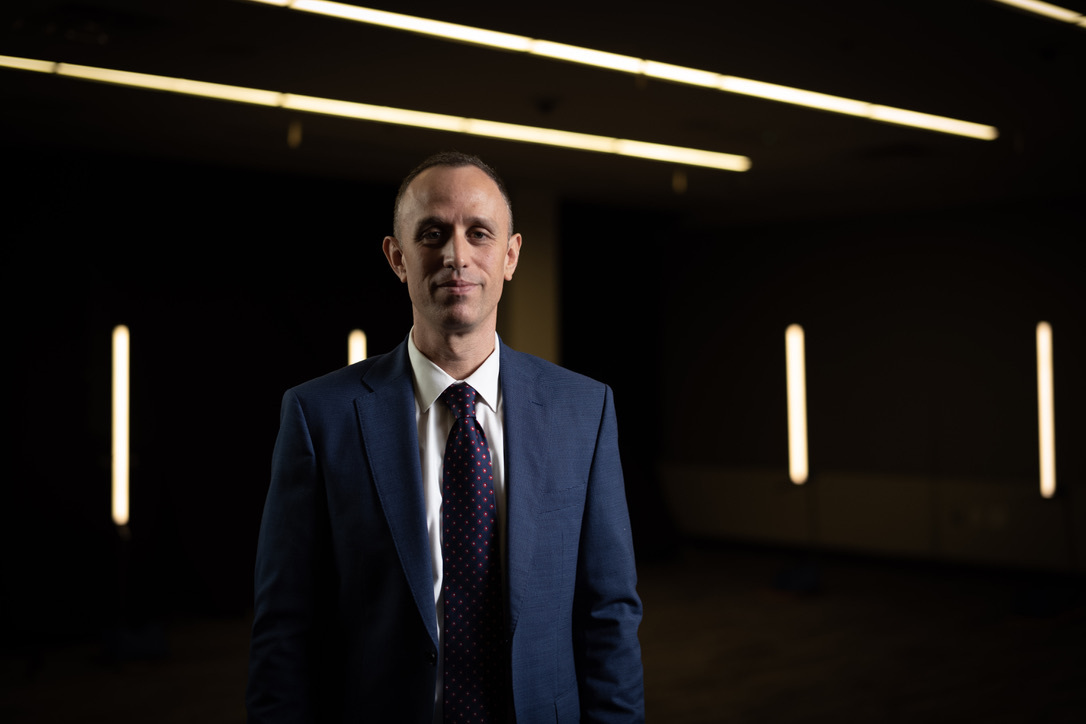
Derrick Anderson has been appointed as the university dean of educational initiatives and CEO of ASU EdPlus at Arizona State University, effective November 2. He succeeds Phil Regier, who will transition to a senior advisor role focusing on educational technology after leading the unit for over a decade.
Leadership Transition at ASU EdPlus
Anderson’s new role at ASU EdPlus, the university’s innovation unit that oversees ASU Online, marks a significant leadership change aimed at continuing the growth and success of the program. Regier’s tenure was notable for significant increases in online enrollment and program offerings, expanding from 400 students to over 119,000 and from six to more than 400 online programs, respectively.
ASU President Michael M. Crow praised Regier’s contributions, highlighting the national model for digital learning that ASU EdPlus has become under his leadership. Anderson is expected to build on this foundation, focusing on increasing access and enhancing partnerships. Crow expressed enthusiasm for Anderson’s capabilities.
Anderson’s Background and Vision
A graduate of ASU, Anderson holds a PhD in public policy and management from the University of Georgia. He is involved in various academic capacities at ASU, including teaching and affiliation with several research centers. Recently, he was elected as a fellow by the National Academy of Public Administration.
Anderson has previously held significant roles, including senior vice president of education futures at the American Council on Education and vice president of enterprise design and policy at the University of Utah. His expertise in university design and public policy positions him well to advance ASU EdPlus’s mission.
In his new role, Anderson aims to continue the work initiated by Regier, stating the importance of education access and the role of technology. He noted the potential of artificial intelligence to personalize and enhance learning experiences, emphasizing a commitment to keeping the doors of opportunity open for learners worldwide.
Source: Arizona State University