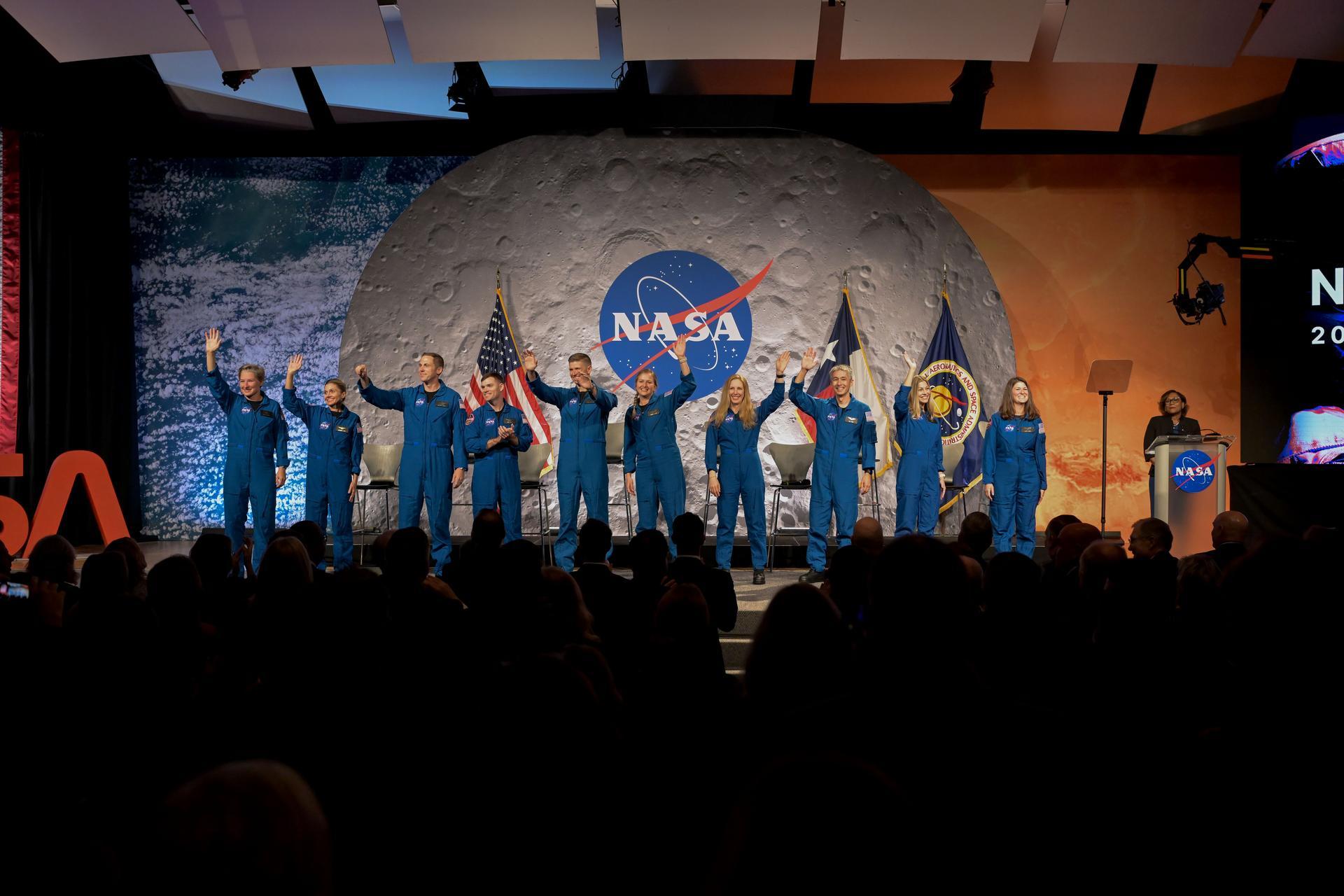
The NASA astronaut selection process is now open for American citizens interested in becoming part of the next generation of space explorers. The deadline for submitting applications is December 3 at 11:59 p.m. EST, as the agency prepares for a new era of lunar and Martian exploration.
Call for Applications
This recruitment is part of NASA’s broader efforts as the United States returns to the Moon and begins constructing a lunar base, while also laying groundwork for future crewed missions to Mars. The selected candidates will undergo training for operations on the lunar surface and will prepare to live and work beyond Earth.
Jared Isaacman, NASA’s administrator, remarked on the significance of this opportunity, stating, “This is an extraordinary time to join the NASA astronaut corps.” He emphasized that those chosen could potentially walk on the Moon, contribute to the lunar base, and develop systems essential for Mars missions.
Selection Timeline and Process
Nasa anticipates final selections by late 2027, at which point the new astronaut candidates will begin their training. The agency last sought astronaut applications in 2024, resulting in the selection of 10 candidates from over 8,000 applicants, who are currently engaged in nearly two years of training.
Scott Tingle, chief astronaut and president of the Astronaut Selection Board at Johnson Space Center, highlighted that being selected as a NASA astronaut goes beyond a career opportunity; it involves joining a legacy of explorers expanding knowledge and inspiring future generations.
Qualifications and Experience Requirements
Since the 1960s, NASA has selected 370 individuals as astronaut candidates. Currently, 32 astronauts are active, and new appointees will be trained in skills such as spacewalks and lunar geology. Basic qualifications include U.S. citizenship and a master’s degree in a STEM field from an accredited institution, with alternative educational paths available for candidates holding higher degrees or relevant pilot training.
Professional experience is also a requirement, with specific flight hours needed for pilots and residency completion for medical professionals. Candidates must pass NASA’s long-duration spaceflight physical exam and demonstrate strong leadership, teamwork, and communication skills.
Future Missions and Exploration Goals
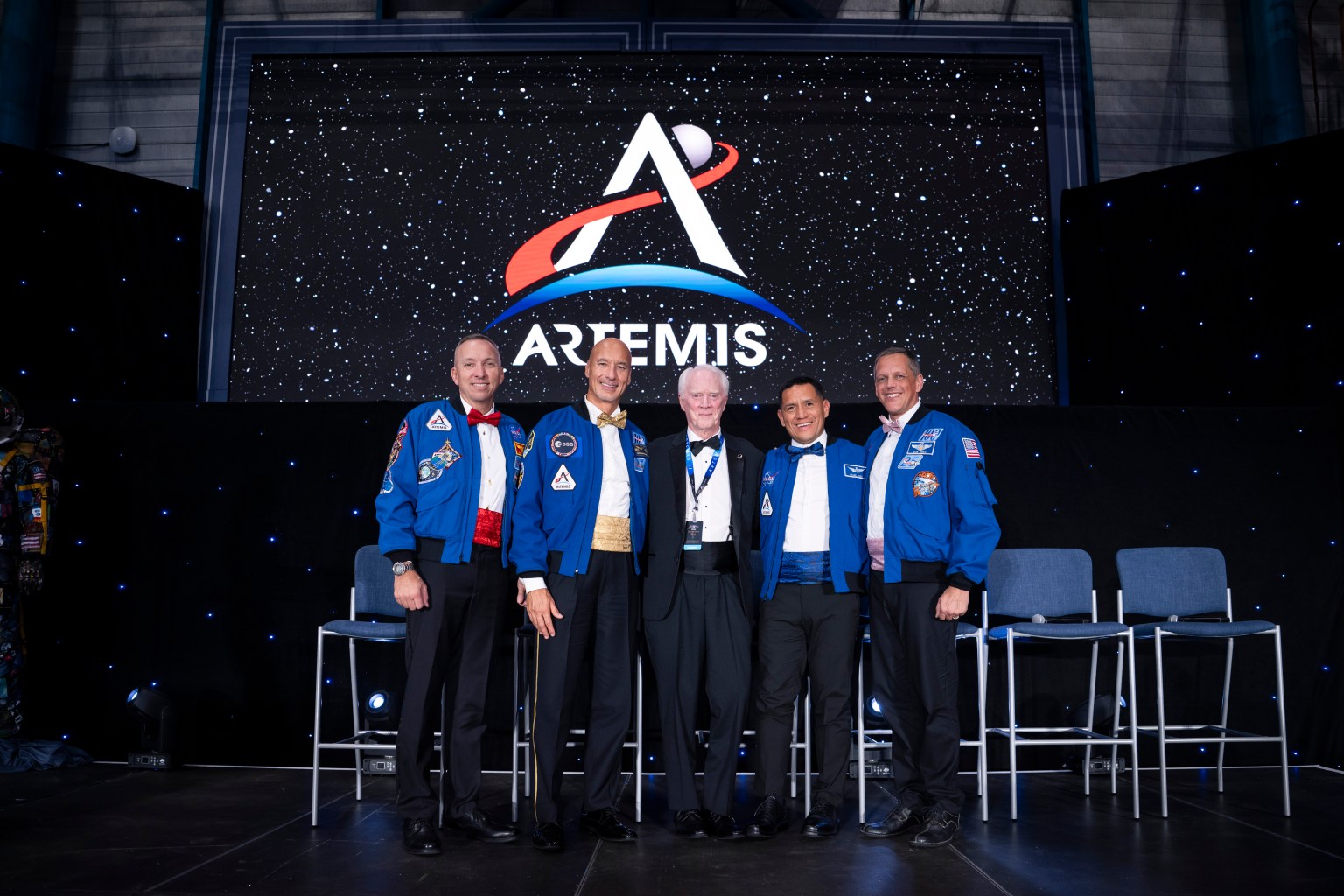
As part of a new era of innovation, NASA aims to conduct increasingly complex missions near the lunar South Pole and establish a human presence on the Moon. These efforts are designed to enhance economic benefits and scientific advancements through Artemis missions, ultimately paving the way for the first crewed mission to Mars.
Source: NASA