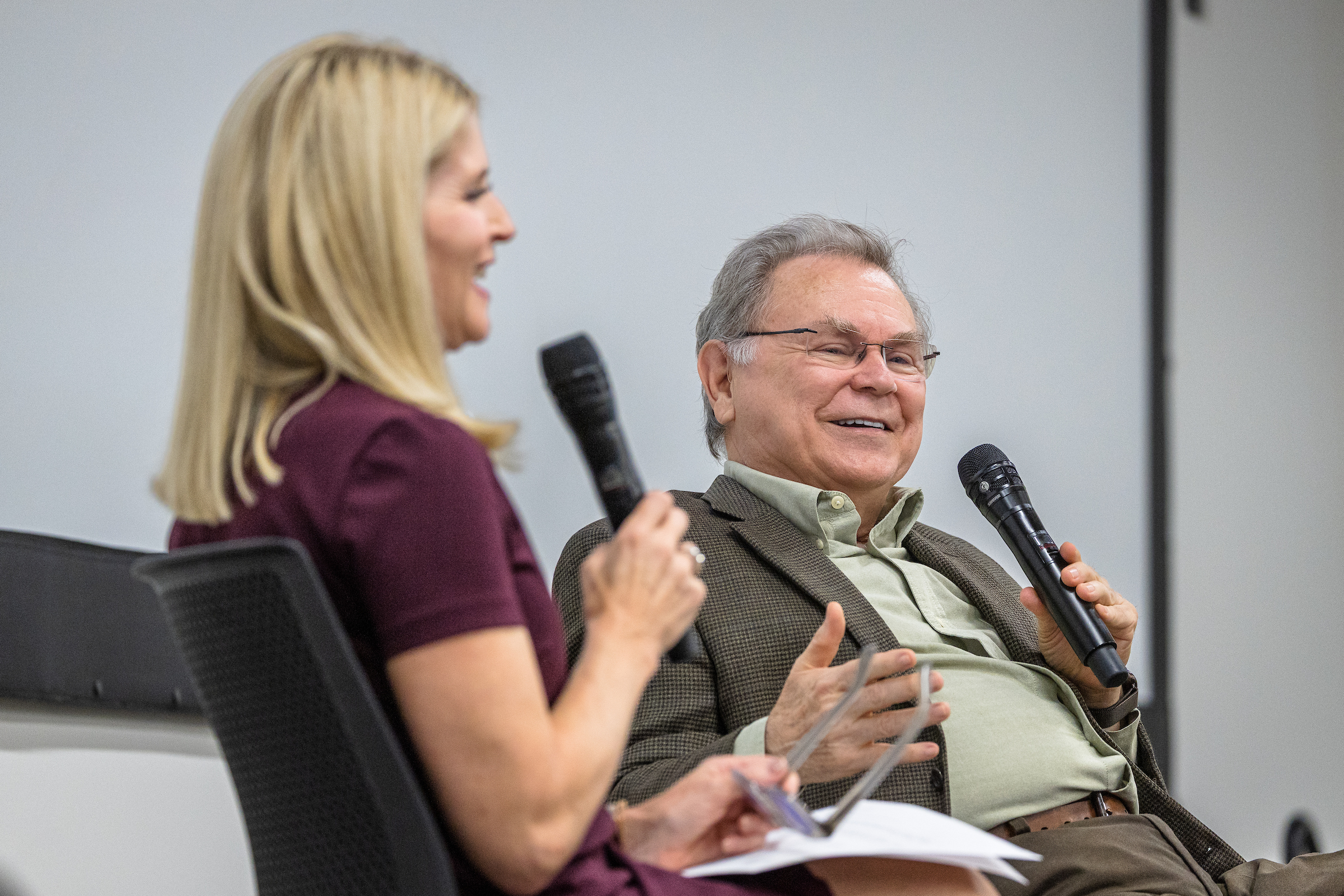
Arizona’s inaugural poet laureate, Alberto Ríos, emphasized the importance of the humanities in health care during a recent event at Arizona State University (ASU), highlighting how storytelling can enhance patient care and outcomes.
Event Focuses on Narrative Medicine
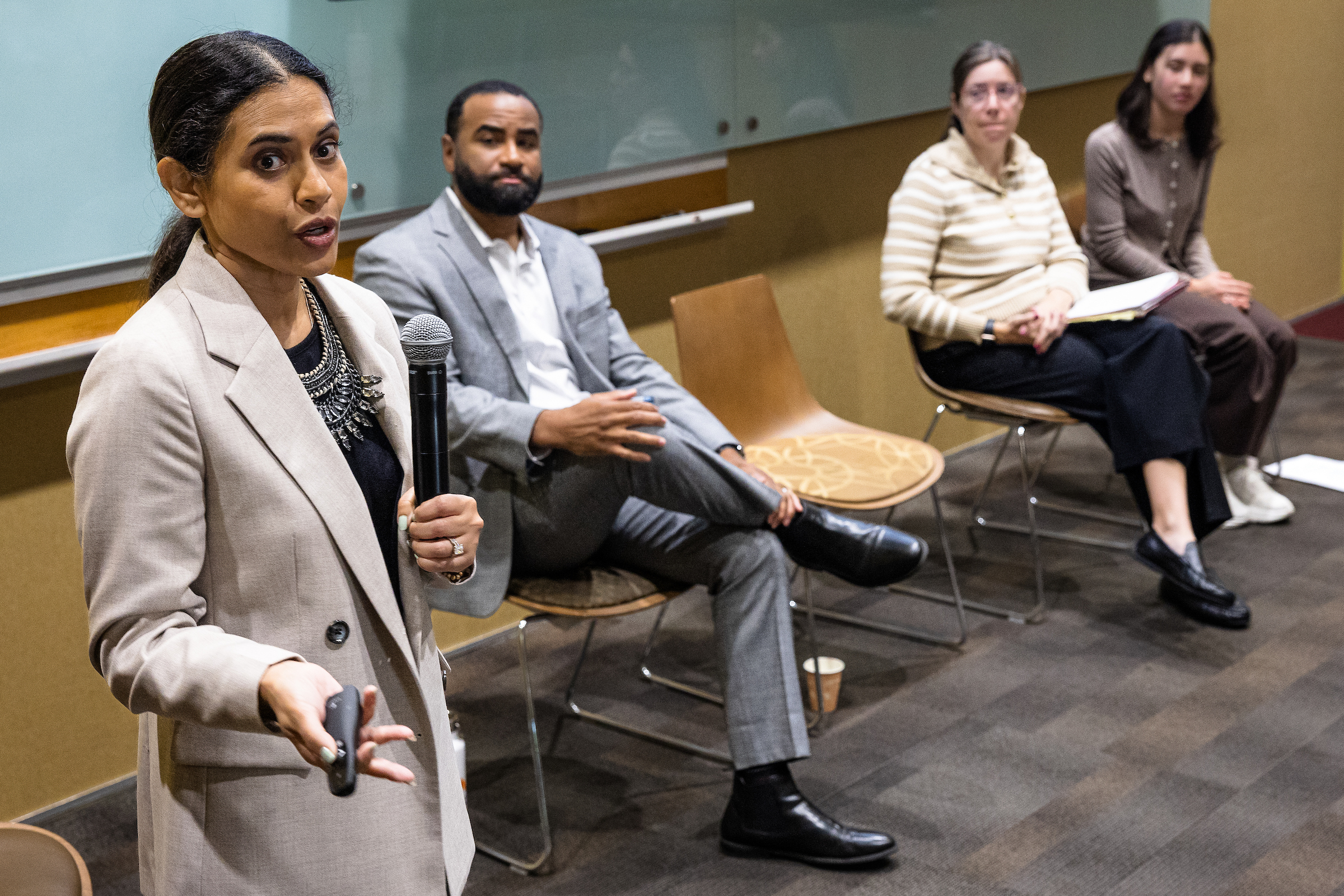
Ríos, who also directs ASU’s Virginia G. Piper Center for Creative Writing, participated in a fireside chat as part of the ASU Health Grand Rounds series. The session, titled “Narrative Medicine and Impact on Health Outcomes,” aimed to explore the role of storytelling in understanding and improving health care.
During the discussion, Ríos shared experiences from his work with palliative care patients, describing how poetry can provide comfort and connection in difficult times. He recounted how he and a student would visit patients near the end of life, encouraging them to share personal stories that often remained untold within their families.
Personal Stories as Healing Tools
Ríos recounted an impactful moment when a patient shared a poem with her husband, leading to an emotional exchange that transformed her student’s perspective on medicine. This experience motivated the student to shift her career aspirations from the humanities to medicine, inspired by the profound connections formed through storytelling.
Ríos asserted that understanding individual patient needs requires a more nuanced approach to health care, suggesting that medicine should be viewed as varied and tailored to each person’s unique circumstances. He praised ASU’s John Shufeldt School of Medicine and Medical Engineering for integrating health humanities into its curriculum as a core component of medical training.
Integrating Humanities into Medical Education
Kristen Will, associate dean at the Shufeldt School, echoed Ríos’ sentiments, stating that the intersection of humanities and medicine is a reciprocal relationship. She emphasized that the integration should not be seen solely as humanities being incorporated into medical education, but rather as a holistic approach that enriches both fields.
At the event, Will read an excerpt from a thought piece by Ríos, which articulated the idea that the humanities can serve as a form of medicine by helping individuals recognize their pain and suffering. Ríos likened poetry to an X-ray, revealing deeper truths about one’s experiences and emotions, thus contributing to a broader understanding of healing.
Ríos’ insights reflect a growing recognition of the value of the humanities in medicine, showcasing how creative approaches can enhance the overall quality of care and foster a deeper understanding of the human experience in health care settings.
Source: Arizona State University