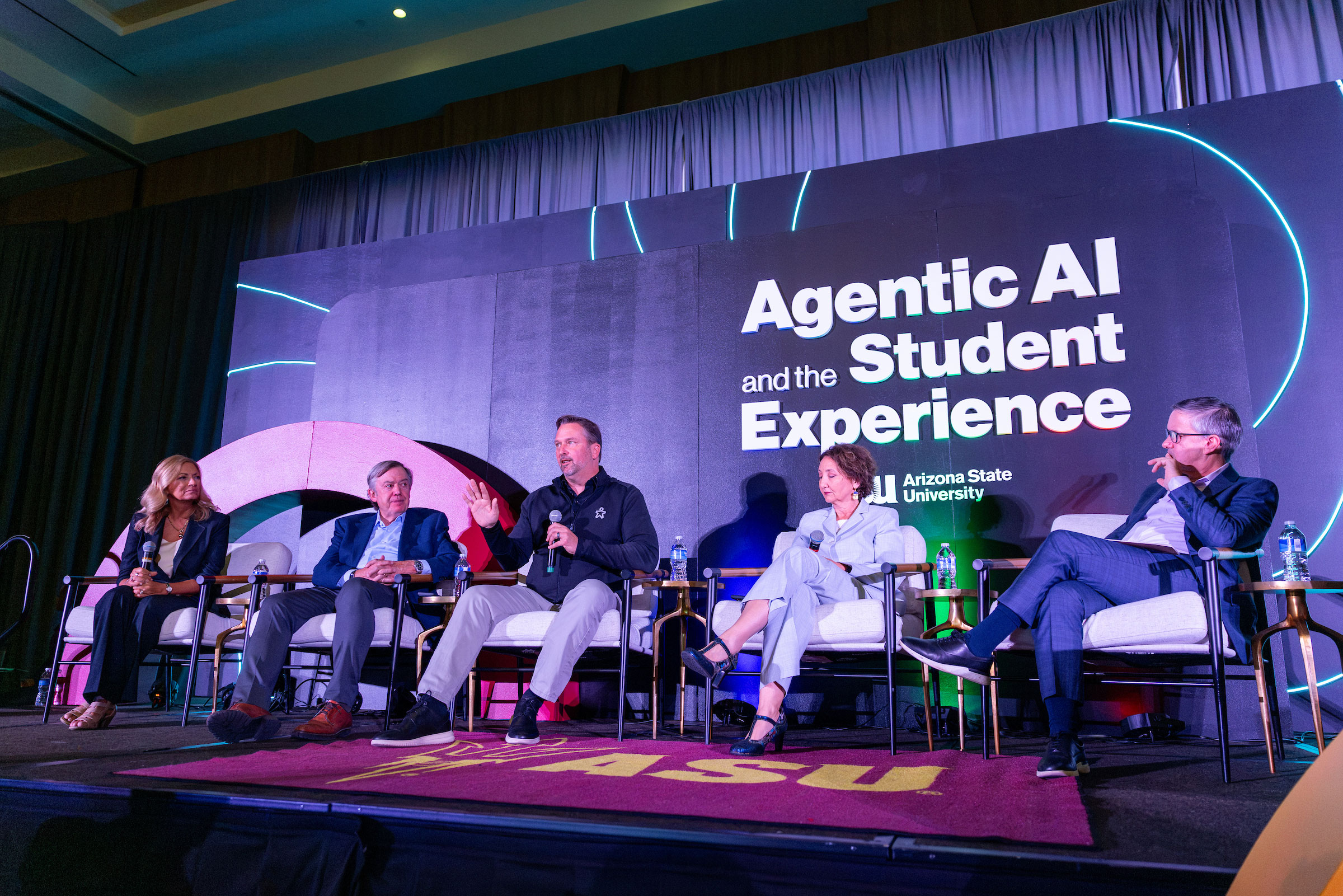
Arizona State University (ASU) recently hosted a three-day conference examining the impact of artificial intelligence (AI) on higher education, featuring tech founder and musician will.i.am among other leaders in academia. The event, titled “Agentic AI and the Student Experience,” aimed to address the challenges and benefits of AI technology in educational settings.
Keynote Insights on AI’s Role in Education
During the keynote address, ASU President Michael Crow highlighted the rapid pace of AI development and its implications for students and educators. He noted that while universities are integrating AI into their programs, the technology is advancing faster than the institutions can adapt. He emphasized the need for responsible AI use, especially given the lack of regulatory frameworks in place.
Crow outlined ASU’s commitment to public benefit through education, mentioning the university’s 20 AI-related programs and the training of over 4,000 faculty members in advanced AI systems. He expressed a desire to empower individuals through AI, ensuring that the technology is used to enhance learning outcomes and solve significant societal challenges.
Streamlining University Processes with AI
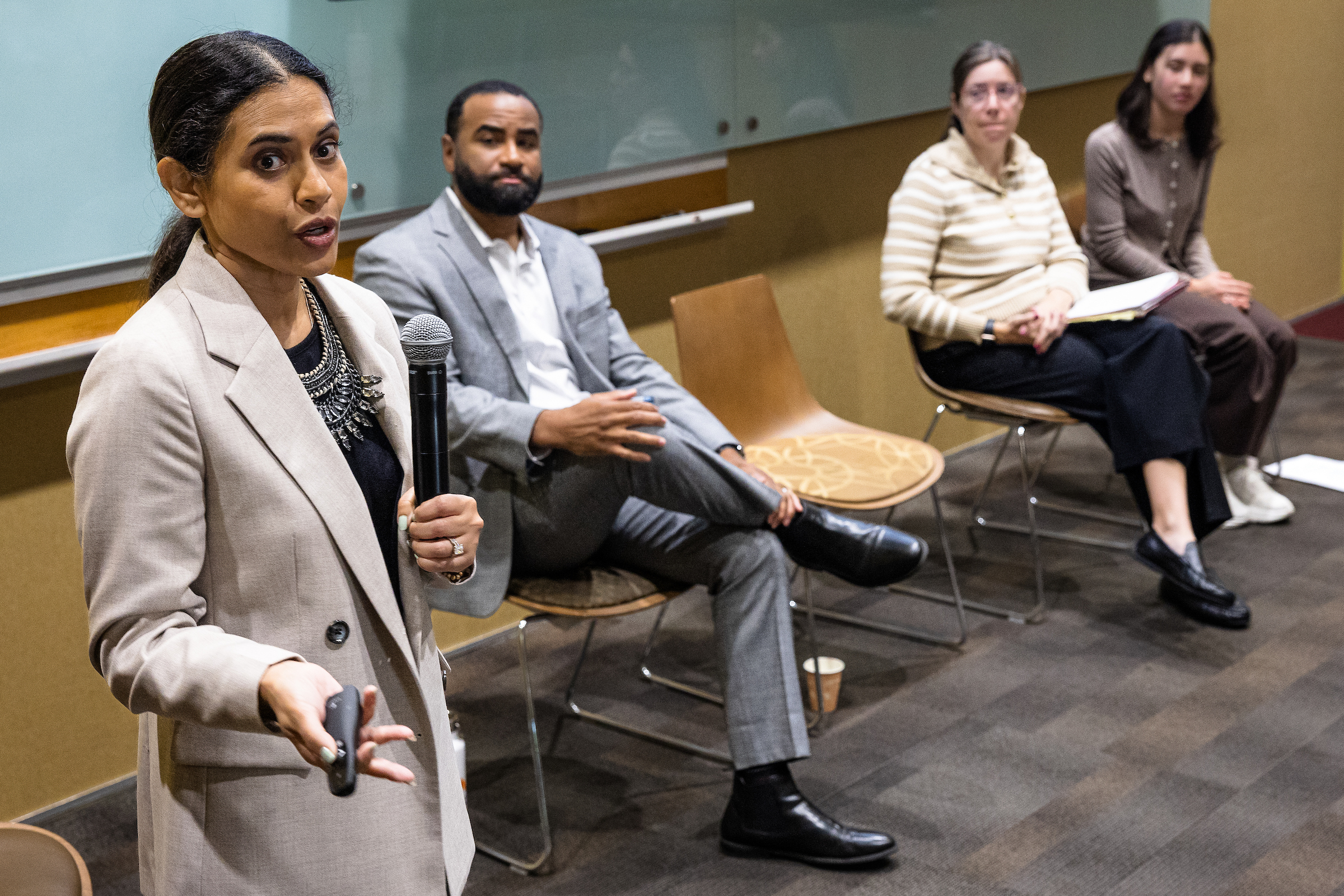
Panel discussions at the conference, including one titled “Leading in the Age of AI,” focused on how AI can simplify university bureaucracy. University of Tulsa President Stacy Leeds explained that AI could transform the admissions process, significantly reducing the time required for potential students to receive financial aid offers. Leeds pointed out the absurdity of delaying decisions based on standardized tests and GPAs for months, which adds unnecessary stress for students.
Amy Diaz, president of Gateway Community College, further discussed how AI can facilitate students’ interactions with the university, allowing them to manage their business independently and seek human assistance only when necessary. This approach aims to improve the overall student experience and reduce the complexity of university procedures.
Ethics and Ownership in AI Development
will.i.am, who teaches a course at ASU on responsible AI use, stressed the importance of ethics in technology development. His course, “The Agentic Self,” encourages students to create personal AI agents that prioritize data ownership. He emphasized the need for individuals to have control over their predictions and personal data, drawing a comparison to the regulatory measures in place for vehicles.
His perspective is rooted in the belief that students should learn to create AI solutions that address real-world issues while being conscious of ethical considerations.
Collaboration Between Education and Industry
John Markoff, a Pulitzer Prize-winning journalist, highlighted the transformative potential of AI technology and the importance of collaboration between educational institutions and the tech industry. He warned of the need to critically evaluate the promises made by technology developers and suggested that universities must actively participate in co-creating technology solutions.
Sethuraman Panchanathan, a University Professor of Technology and Innovation, echoed this sentiment, urging universities to partner with industry leaders to keep pace with AI advancements. He shared an example of a visually impaired student who innovatively created a device to enhance classroom access, illustrating the potential for educational environments to evolve through collaborative efforts.
Source: Arizona State University