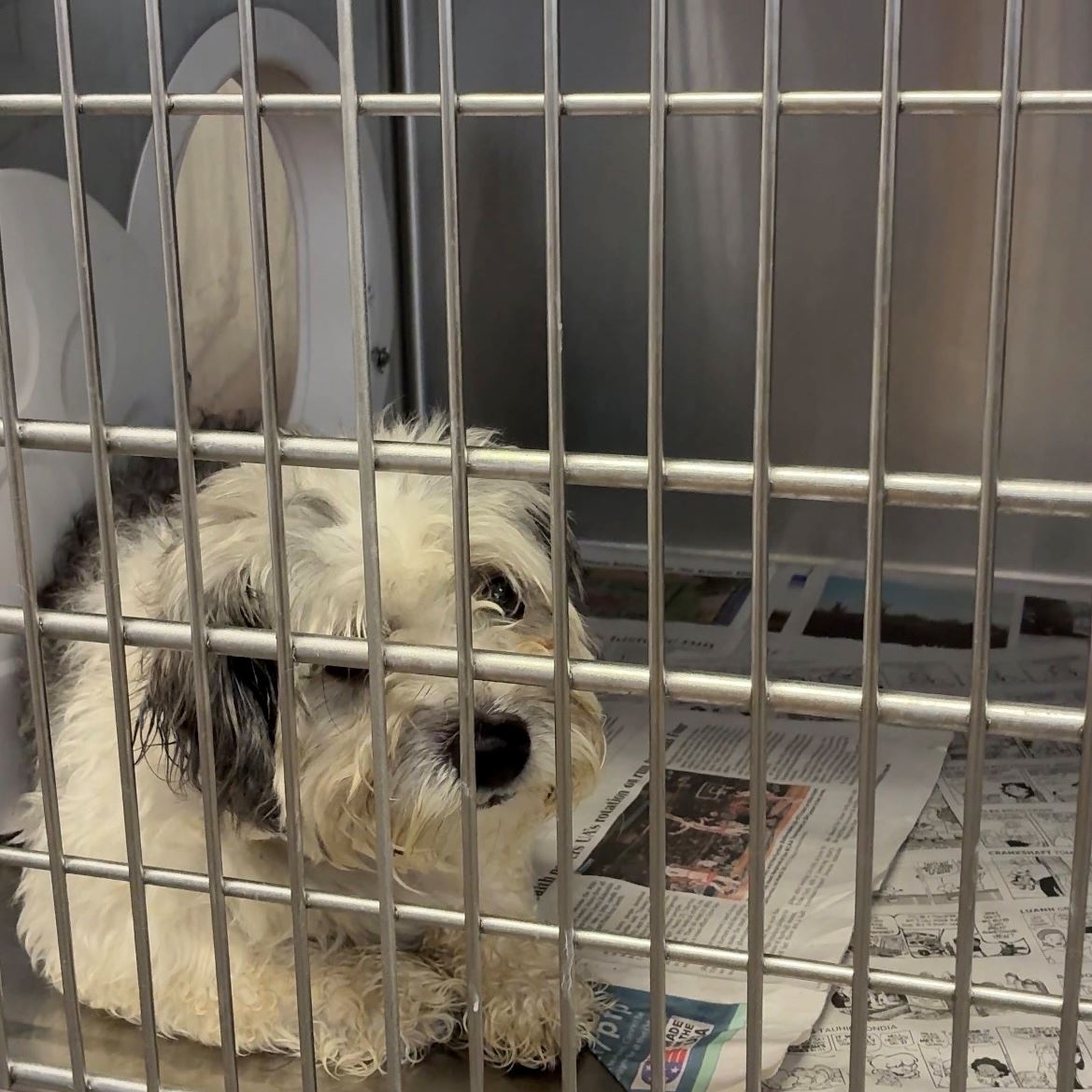
Maricopa County Animal Care & Control (MCACC) has significantly improved its operational efficiency over the past two and a half years, reducing its dog population from over 1,000 to around 750. The agency attributes this progress to a series of strategic changes aimed at enhancing animal care and facilitating adoptions.
Operational Changes and Improvements
Previously, the shelter struggled with overcrowding, utilizing temporary crates and making accommodations to house more dogs. Now, MCACC has implemented various operational changes to streamline processes and improve the welfare of the animals in its care. The organization focuses on reducing the average length of stay for dogs, which can greatly impact the overall care provided.
One major initiative has been to improve access to services for residents, resulting in shorter wait times for stray intakes. During most times of the year, residents can bring in stray dogs without needing an appointment, which helps reunite pets with their owners more efficiently. Additionally, MCACC has organized high-volume owner surrender events, allowing residents in need to surrender their dogs while still prioritizing the well-being of the animals.
Team Restructuring and Enhanced Foster Programs
MCACC has restructured its staff into specialized teams focusing on adoptions and behavioral evaluations. This organization allows adoption teams to concentrate on finding homes for dogs while other teams assess behavioral needs and provide necessary interventions. Furthermore, the shelter has expanded its foster program, enabling more dogs to receive care in home environments before urgent needs arise.
As a result of these changes, MCACC reports that it has gone approximately 11 months without euthanizing a dog due to behavioral issues, reflecting successful early interventions.
Adoption Process and Marketing Enhancements
Efforts to increase adoption rates include extended hours and a more accessible adoption process. The shelter’s marketing now emphasizes positive messaging to encourage community engagement and increase foot traffic to the facility. These adjustments are facilitating connections between potential pet owners and the dogs available for adoption, ultimately reducing the time dogs spend waiting for homes.
MCACC closely monitors key performance metrics, such as intake rates, length of stay, and adoption rates, to evaluate the effectiveness of its strategies. The shelter also reports fewer dogs requiring urgent placement assistance, indicating that more animals are being managed through standard procedures.
Future Directions and Sharing Knowledge
MCACC plans to share its capacity management strategies with other organizations, including a presentation at the upcoming Humane World for Animals Conference. The agency has also discussed its methods in a two-part podcast series detailing the challenges faced and lessons learned throughout this transformative period.
Despite the progress made, MCACC acknowledges that capacity management is an ongoing commitment that requires continual assessment and adjustment. The shelter maintains a high save rate above 90%, underscoring its dedication to animal welfare and community service.
Source: Maricopa County