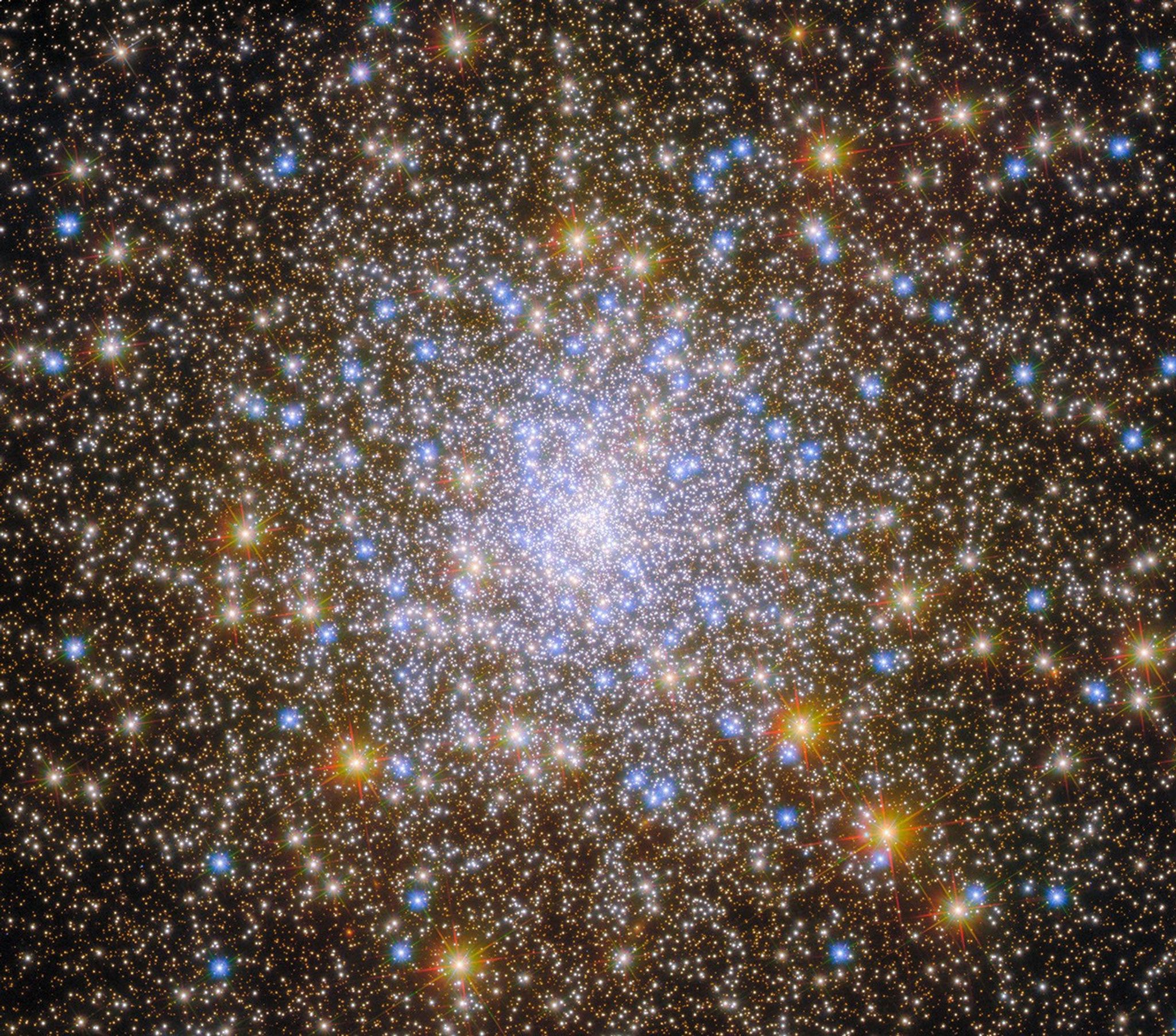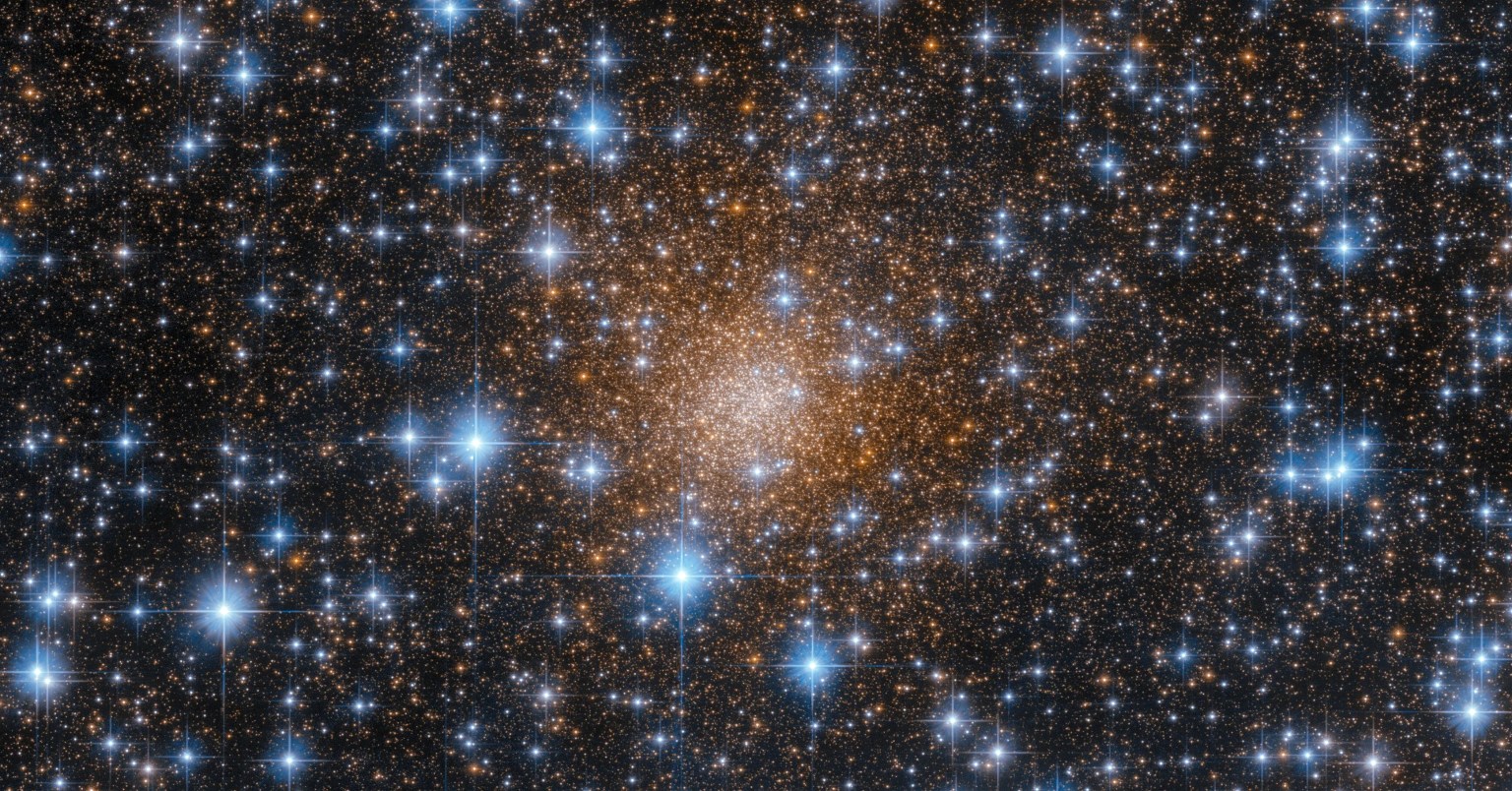
A recent observation by the Hubble Space Telescope reveals significant insights into galactic history through the globular star cluster known as Messier 30 (M30). Located approximately 27,500 light-years away in the constellation Capricornus, M30 is a dense grouping of stars that can contain tens of thousands to millions of members.
Understanding Globular Clusters
Globular clusters, like M30, are typically found on the outskirts of galaxies and orbit within a region called the halo. The Milky Way galaxy is home to at least 150 of these clusters, with the closest being around 6,000 light-years away. These ancient structures are believed to be between 11.5 to 13.5 billion years old, making them some of the oldest objects we can study in the universe. Their age provides valuable information about the early development of galaxies.
Astronomers have utilized globular clusters to uncover details about the Milky Way. For instance, early 20th-century astronomer Harlow Shapley used observations of variable stars within these clusters to determine their distances, which ultimately revealed that the Sun is not at the center of the galaxy. His findings indicated that the galactic center is located in the direction of Sagittarius, although his distance estimates were later corrected.
New Discoveries with Hubble
Current studies continue to benefit from the observations made by Hubble. The telescope has captured images of M30 on several occasions, enhancing our understanding of its structure and the variety of stars it contains. Recent imaging efforts employed Hubble’s Wide Field Camera 3, focusing on different light wavelengths to investigate unique stellar populations, including “blue straggler” stars. These observations have helped astronomers track how star populations within globular clusters have evolved over time.
Notably, researchers have discovered that some globular clusters, such as M30, may not have originated within the Milky Way but were instead captured by the galaxy in its formative years. This suggests a complex history of interactions between galaxies in the universe.
Hubble’s Contribution to Astronomy
The data gathered from M30 and other globular clusters are crucial for understanding the formation and evolution of galaxies. Hubble’s ability to observe a range of light wavelengths—ultraviolet, visible, and near-infrared—provides a comprehensive view of these celestial objects, allowing scientists to piece together the intricate history of our galaxy.
As Hubble continues to operate, its legacy in astronomical research remains significant, contributing to our ever-expanding knowledge of the universe and its many mysteries.
Source: NASA