A recently studied Martian meteorite, named Teghaza 001, has been identified as one of the oldest ever found on Earth, dating back over 4.1 billion years. Discovered in the Sahara Desert in 2022, this nearly 2-pound rock provides researchers with valuable insights into Mars’ ancient crust and geological history.
Significance of Teghaza 001
Teghaza 001, named after the salt plain in Mali where it was located, is a rare specimen among the approximately 435 known Martian meteorites. According to a paper published in the journal Science, scientists have begun to characterize its mineral composition, which may help answer questions about the planet’s early environment, including the interaction of water and rock.
Yang Liu, lead author of the study from NASA’s Jet Propulsion Laboratory, described Teghaza 001 as “really unique,” highlighting its importance in understanding Mars’ geological history. Researchers believe this meteorite may serve as a “Rosetta Stone for Mars,” offering a glimpse into the planet’s past.
Unique Features and Composition
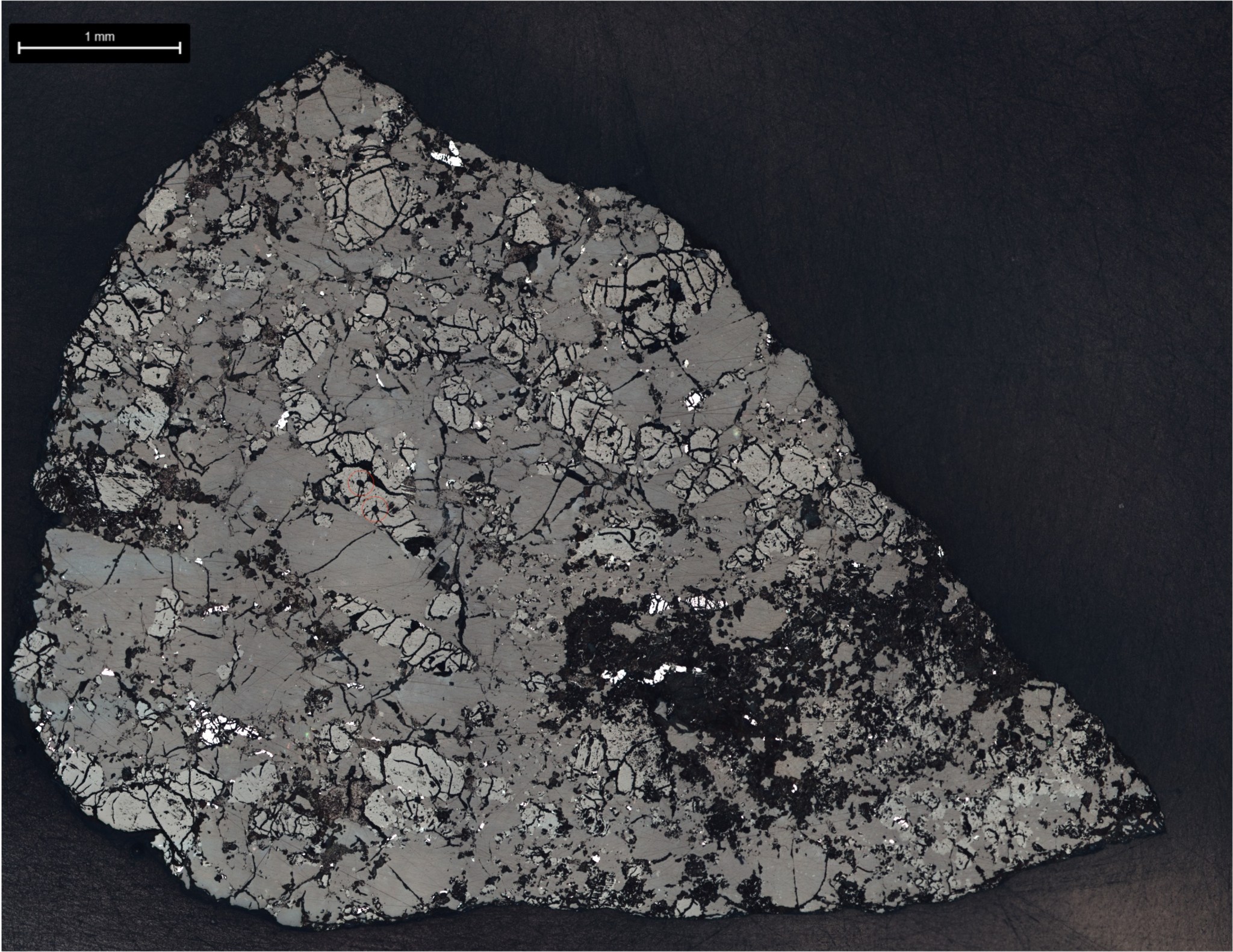
What distinguishes Teghaza 001 from other Martian meteorites is its unique texture and the diverse igneous minerals it contains. Unlike other ancient meteorites that offer limited geological context, Teghaza 001 showcases a complex history of crust formation through cooling magma and subsequent alteration by subsurface water.
While the exact origin of the meteorite on Mars remains unknown, researchers have identified several potential locations that correspond with its mineralogical and chemical characteristics. Lee Saper, a co-author of the study, noted that the meteorite represents a part of Mars that has never been sampled before, capturing evidence of water-rock interactions and atmospheric changes.
Research Techniques and Findings
The study utilized innovative age-dating methods to analyze the meteorite. Researchers identified it as a shergottite, the most common type of Martian meteorite, based on its oxygen isotopes. Liu initially hesitated to study Teghaza 001 but ultimately found its unusual textures and minerals compelling.
Using a novel rubidium-strontium age-dating technique, the team was able to analyze a small sample of Teghaza 001, confirming that it was altered by Martian water around 4.1 billion years ago. This finding suggests that the rock formed even earlier, indicating a more dynamic water cycle on ancient Mars than previously understood.
Future Research Opportunities
Researchers are eager to delve deeper into the implications of their findings on Teghaza 001. Liu expressed that the current studies are just the beginning, emphasizing the potential for the scientific community to uncover more about Mars’ history through this ancient meteorite.
As the exploration of Martian meteorites continues, scientists hope to enhance their understanding of the planet’s geological past and the role of water in shaping its environment.
Source: NASA